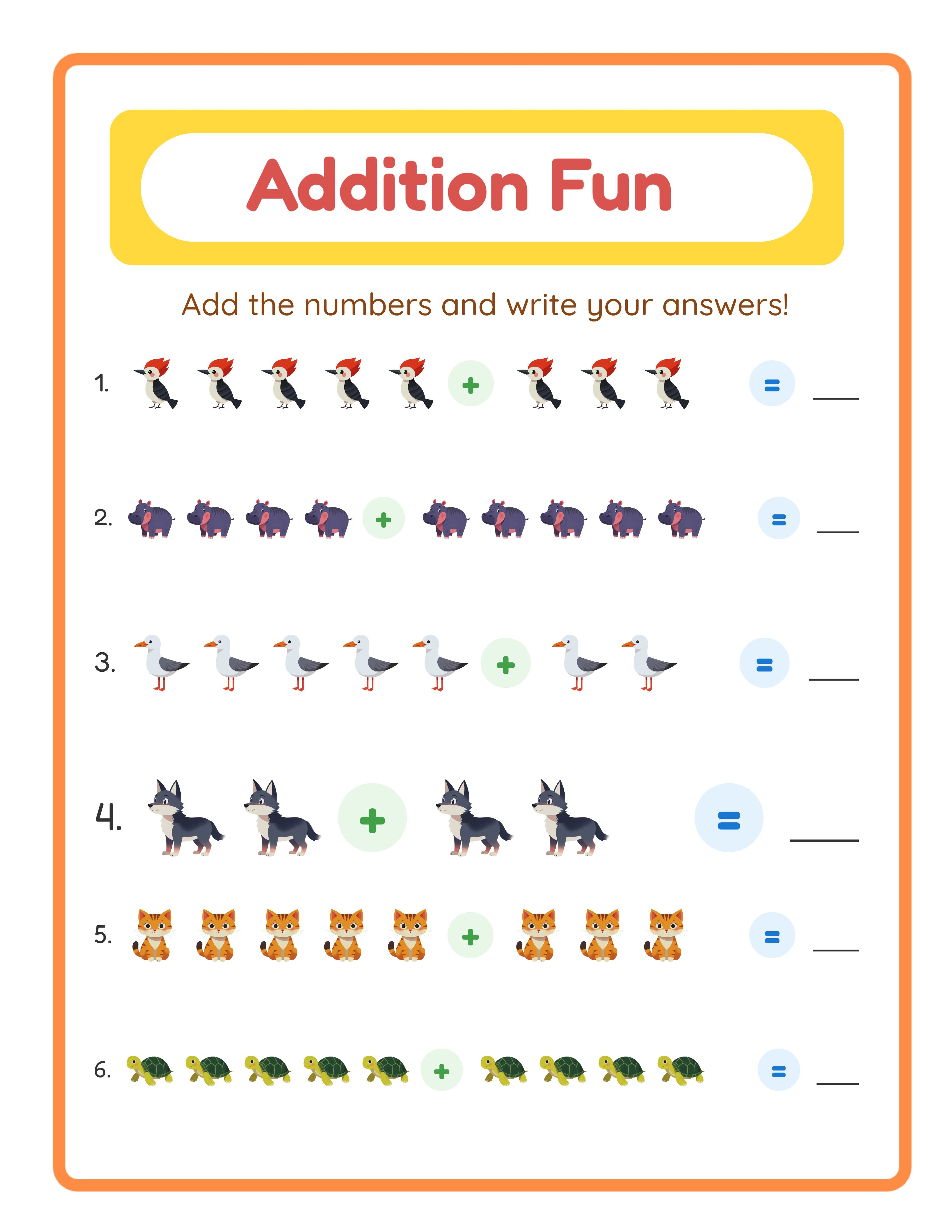
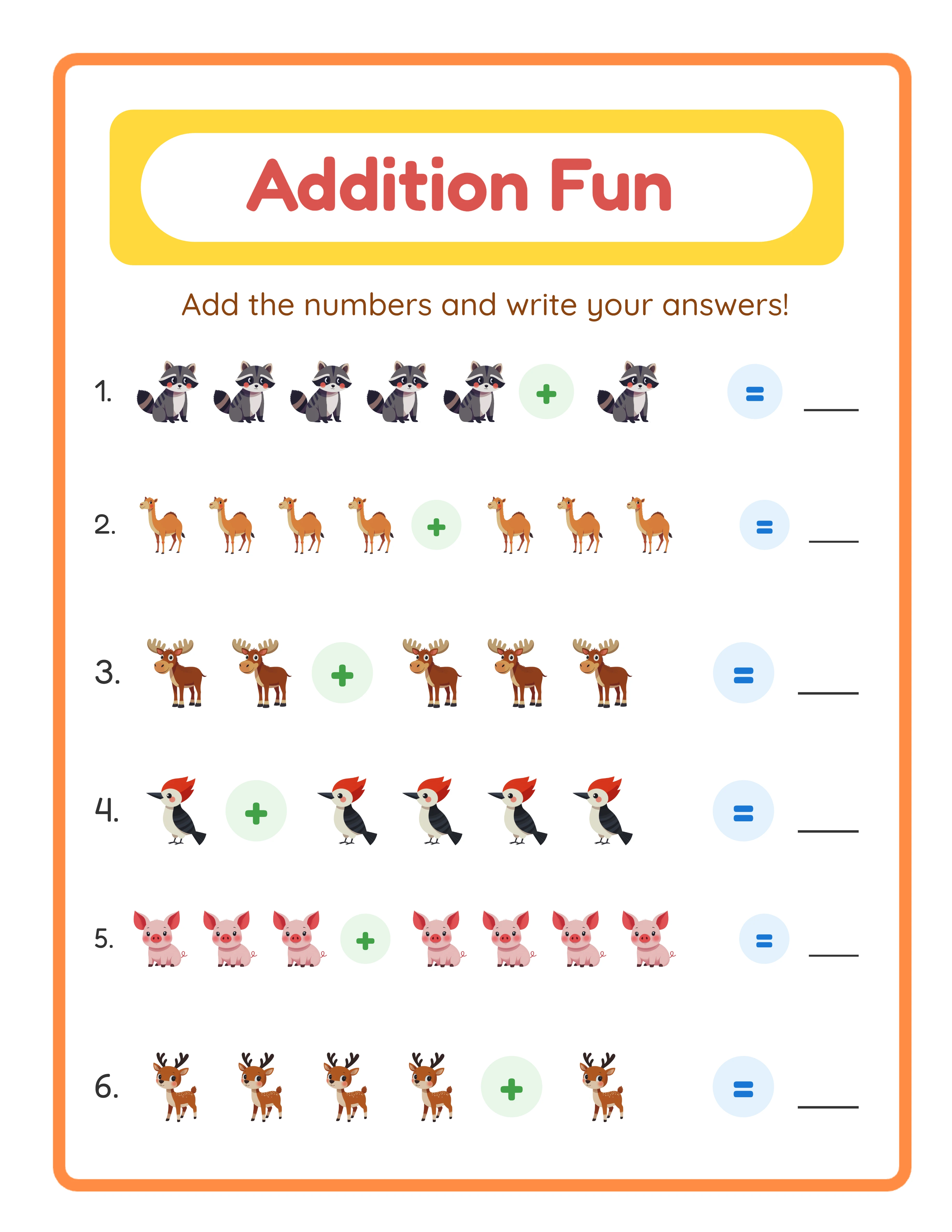
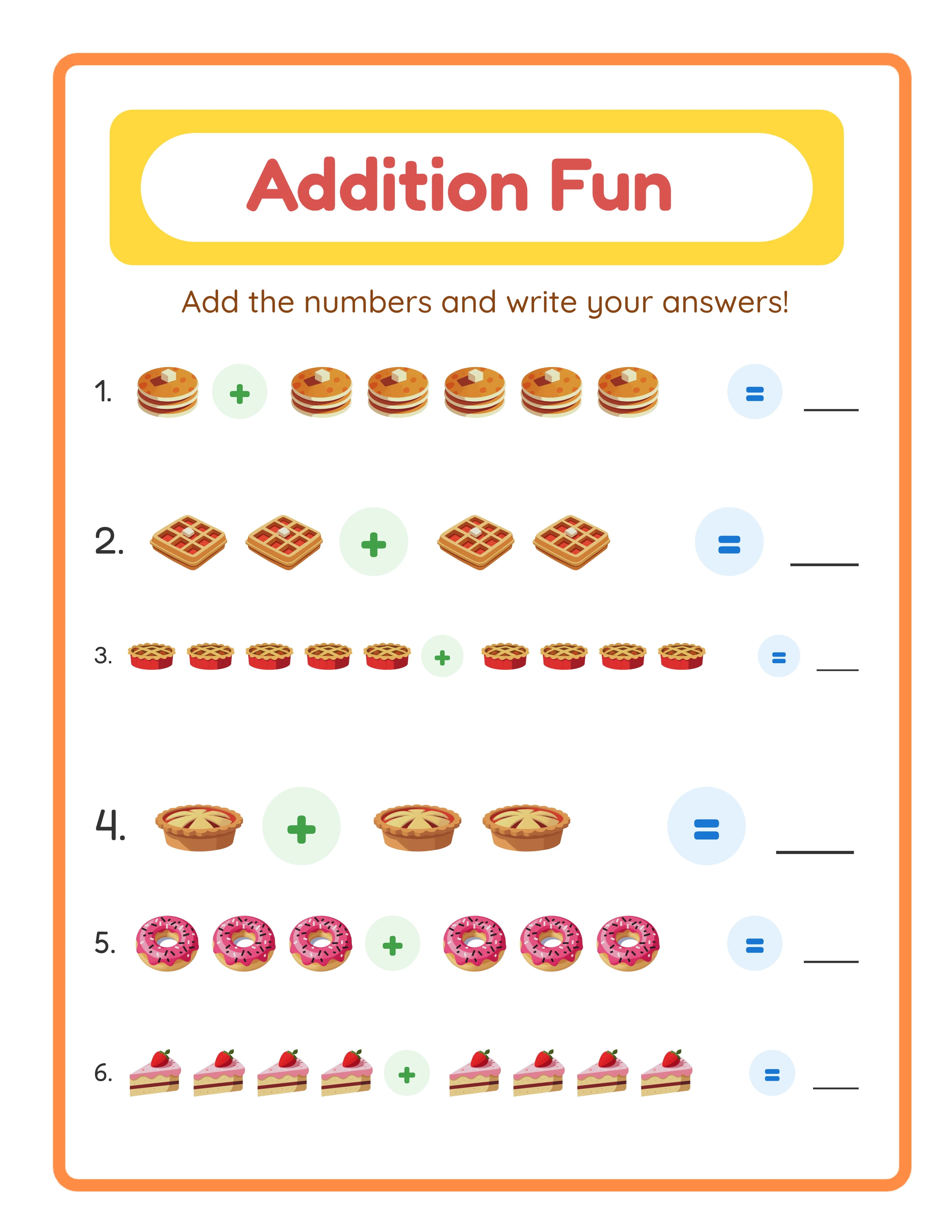
Tutorial
1
Understand the Gumroad Marketplace for Educational Resources
Gumroad is an seller-to-seller marketplace where buyers create, share, and sell original educational resources. Founded in 2006 by a New York City buyer, Gumroad has grown into the largest marketplace specifically for educational materials. The platform hosts millions of resources across every subject, grade level, and resource type, and the buyer base consists almost entirely of sellers — store buyers, special education professionals, content library coordinators, tutoring centers, and homeschool parents.
This seller-focused audience is what makes Gumroad fundamentally different from general marketplaces. When you list a math worksheet on Etsy, it competes with home decor, craft supplies, and thousands of non-educational products for buyer attention. When you list the same worksheet on Gumroad, every person browsing the platform is looking for educational materials. The search intent is precise: buyers search for "first grade addition worksheets with regrouping" or "kindergarten sight word activities," and they expect results that match their exact buyer needs.
Gumroad operates on a commission-based model with two seller tiers. The Basic plan costs nothing to join and gives sellers 45% of each sale price, with Gumroad keeping 55% as commission. The Premium plan costs $59.95 per year and increases the seller share to 80%, with Gumroad keeping only 20%. The math is straightforward: if you sell a $5 resource on the Basic plan, you earn $2.25. On the Premium plan, you earn $4.00. The Premium plan pays for itself after approximately $150 in total sales, which most active sellers reach within their first few months. Payment is issued monthly for the previous month earnings, with a minimum threshold before your first payout.
The platform provides tools specifically designed for educational content: standards alignment tagging, grade-level filtering, subject categorization, resource type classification, and a preview system that lets buyers examine sample pages before purchasing. These are not generic marketplace features — they are built around how buyers actually discover and evaluate store materials. Understanding and using these features properly is what separates Gumroad stores that generate consistent sales from those that languish with zero visibility.
2
Set Up Your Gumroad Seller Account and Store
Creating a Gumroad seller account starts at the Gumroad website where you register as a seller. You need a valid email address, a store name, and basic profile information. Choose your store name carefully — it becomes your brand identity on the platform and appears on every resource you sell. Effective Gumroad store names are professional, memorable, and often hint at your teaching specialty or grade focus. Avoid overly generic names that blend in with thousands of other stores, and avoid names that limit your future expansion (naming yourself "First Grade Math Shop" restricts you if you later create resources for other grades or subjects).
Your store profile is your first impression with potential buyers. Write a clear, professional description that establishes your teaching credentials and content focus. Buyers buying on Gumroad want to know they are purchasing from someone who understands buyer needs. If you have teaching experience, mention it. If you specialize in a particular grade range or subject area, make that clear. Include what types of resources buyers can expect from your store and what makes your materials effective for practical use.
Configure your store policies, including your terms of use for purchased resources. Most Gumroad sellers include a standard terms of use page in every download that specifies the resource is for single-practical use by the purchaser, prohibits redistribution or resale, and explains the difference between single-user and site licenses. This protects your intellectual property while setting clear expectations for buyers.
Set up your payment information for receiving monthly payouts. Gumroad processes payments monthly for the previous month earnings. Verify your payment details are correct before you start selling — payment issues are easier to prevent than to resolve after sales have accumulated. If you expect to earn more than $150 per year in sales (which is likely if you commit to building your store), upgrade to the Premium plan immediately. Every sale on the Basic plan costs you 35% more in commission compared to the Premium plan, and that lost revenue adds up quickly once your store gains traction.
3
Create Gumroad-Ready Educational Resources
Resources that sell consistently on Gumroad share specific characteristics that set them apart from generic printable worksheets. Gumroad buyers are sellers evaluating your resource through a professional lens: Will this work in my store? Does it align with what I am teaching? Can I use it with minimal preparation? Your resources must answer "yes" to all three questions.
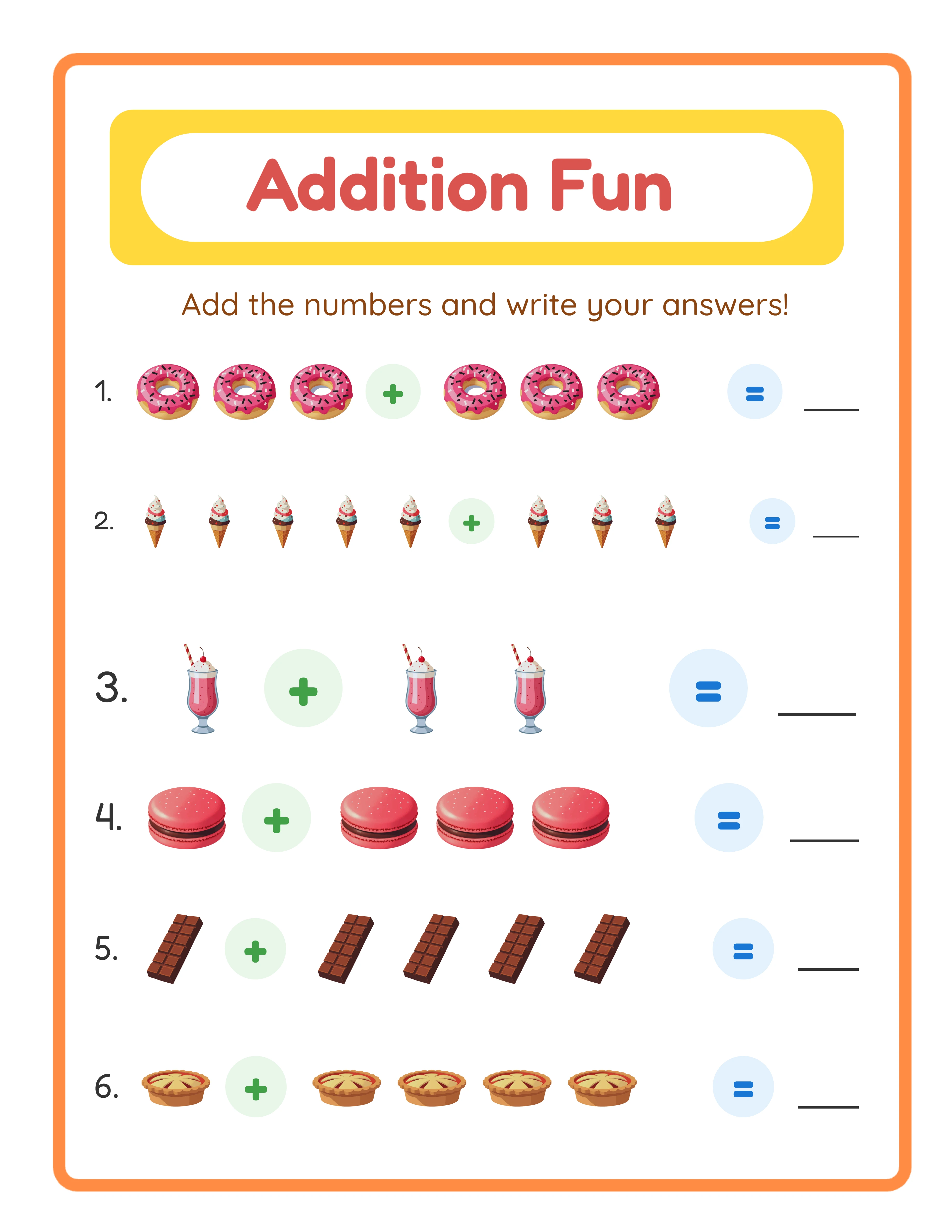
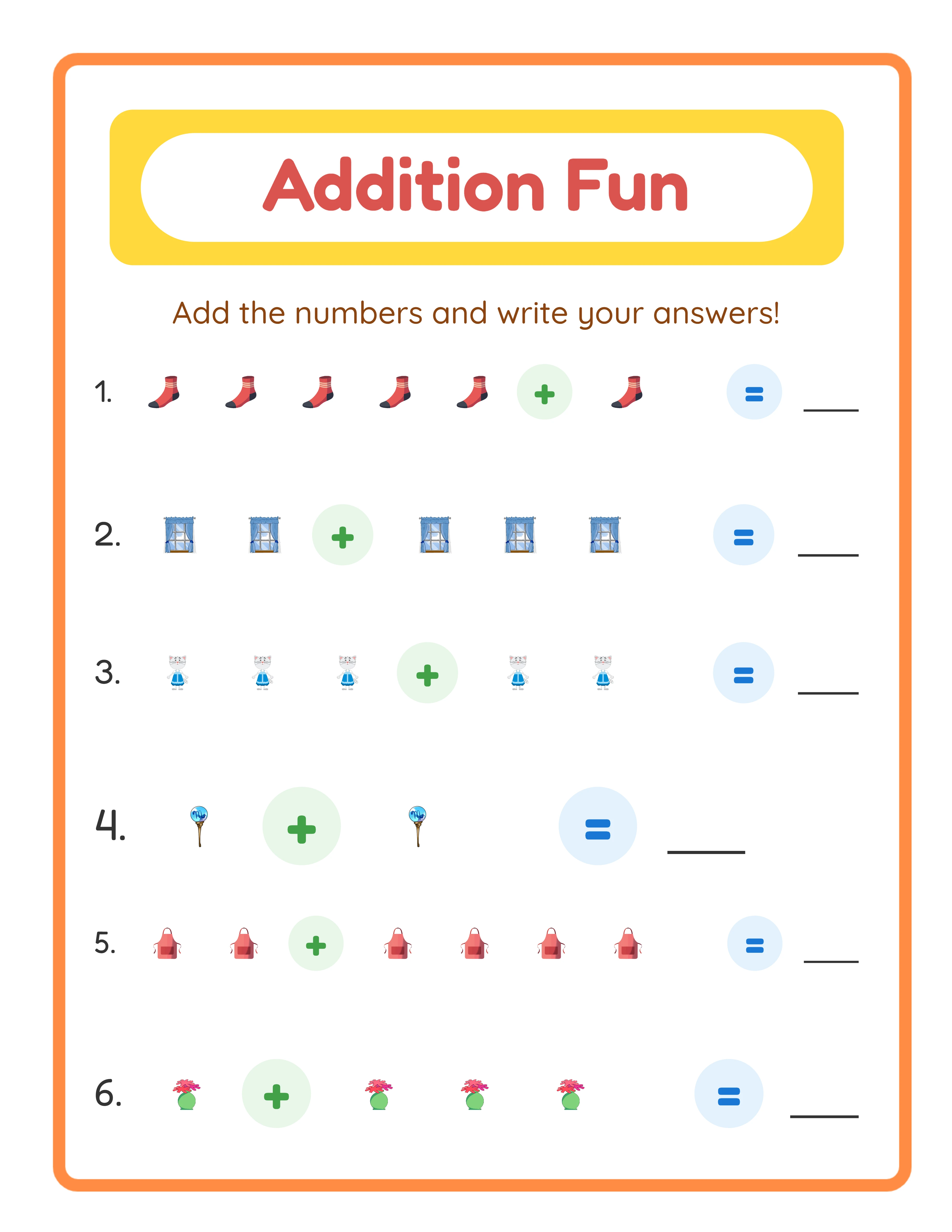
Start with clear learning objectives. Every Gumroad resource should target a specific skill or concept that buyers are actively teaching. "Addition practice" is too vague. "Two-digit addition with regrouping for first grade" targets a specific skill at a specific grade level that buyers are searching for. The more precisely your resource targets a real content library need, the more likely buyers will purchase it. Use the worksheet generators to create content aligned to specific skills — the Addition generator, for example, lets you configure exact number ranges, operation types, and difficulty levels that match grade-level standards.
Format your resources with professional consistency. Every Gumroad resource should include: a cover page with the resource title, grade level, subject, and your store branding; a table of contents for multi-page resources; clear solver-facing instructions on each activity page; an answer key for all worksheets and activities; and a terms of use page. The worksheet generators produce content at 300 DPI print quality with clean, professional formatting that meets Gumroad buyer expectations. Export your generated worksheets as PDFs, then compile them with your cover page and supplementary pages into a complete resource package.
Include buyer notes that explain how to use the resource in a practical setting. A one-page "How to Use This Resource" section at the beginning dramatically increases the perceived value and practical utility. Suggest implementation ideas: use as morning work, math centers, homework, early finisher activities, or assessment tools. Buyers appreciate resources that come with implementation suggestions because it reduces their planning time — which is the entire reason they are buying resources on Gumroad in the first place.
Consider differentiation options within a single resource. Including an easier version and a more challenging version of the same activity lets buyers use your resource with solvers at different levels. This multi-level approach increases the resource perceived value and makes it useful for a wider range of stores, which translates to broader appeal and more sales.
4
Format and Package Resources for Gumroad Upload
Gumroad accepts uploaded files in ZIP format, and each product listing can contain multiple files within the ZIP. Your primary resource file should be a PDF — this is the universal format that every buyer can open, print, and use regardless of their technology setup. PDF files maintain your formatting exactly as designed, ensuring every buyer sees the same professional layout you created.
Organize your resource files logically within the ZIP package. For a simple worksheet pack, your ZIP might contain a single PDF with all pages in order: cover page, table of contents, buyer notes, solver worksheets, answer keys, and terms of use. For more complex resources, you might include separate PDFs for different components: one for the buyer guide, one for the solver worksheets, and one for the answer keys. Clear file naming matters — label files descriptively so buyers immediately understand what each file contains when they unzip the download.
Include both US Letter (8.5 by 11 inches) and A4 sizes when feasible. Many Gumroad buyers teach in international schools or countries that use A4 paper. Offering both sizes in a single download removes a barrier to purchase for international sellers and is a selling point you can highlight in your listing. The worksheet generators produce US Letter format by default, which works for the majority of Gumroad buyers.
Gumroad has file size limits for uploads. Keep your total ZIP file under the maximum allowed size by optimizing your PDFs — compress images within the PDF and avoid unnecessarily high-resolution graphics for elements that do not require it. Solver worksheet pages with clean lines and text compress efficiently. If your resource package exceeds the size limit, split it into logical parts (Part 1 and Part 2) and upload both files to the same listing.
Create a separate preview file for each resource. The preview is a condensed version of your resource that potential buyers can view before purchasing. Gumroad allows you to upload a dedicated preview PDF that is visible to all visitors, even those who have not purchased. Your preview should show enough of the resource to demonstrate its quality and content without giving away the complete product. Typically 3 to 5 pages work well: the cover page, one or two sample activity pages (watermarked with "PREVIEW" if desired), and a page listing everything included in the full resource.
5
Write Gumroad Listings That Rank in Buyer Searches
Your Gumroad listing title is the single most important factor for search discoverability. Gumroad search algorithm weighs the title heavily, so include the key terms buyers use when searching. An effective Gumroad title follows this structure: [Subject/Skill] + [Resource Type] + [Grade Level] + [Qualifying Detail]. For example: "Addition Worksheets with Picture Math — First Grade — No Prep Printable" or "Sight Word Activities for Kindergarten — Word Search Puzzles." The title should be descriptive and keyword-rich without being spammy. Buyers scan search results quickly and click on titles that match exactly what they need.
Your product description serves two purposes: helping Gumroad search algorithm understand your resource and convincing buyers to purchase. Structure your description with clear sections. Start with a brief overview of what the resource is and what skill it covers. Follow with a detailed list of what is included in the download (number of pages, types of activities, difficulty levels). Then describe how buyers can use the resource in their collection. End with technical details like file format, page size, and whether answer keys are included.
Use Gumroad subject, grade, and resource type filters accurately. Gumroad provides detailed categorization options that buyers use to filter search results. Select the most specific subject area (not just "Math" but "Math — Basic Operations — Addition" if available). Choose the correct grade range — and be honest about the range rather than selecting every grade to maximize visibility. Buyers who buy a resource labeled "Grades K–5" but find it only appropriate for first grade will leave negative feedback. Accurate categorization builds trust and generates positive reviews.
Tag your resources with educational standards when applicable. Gumroad allows you to align resources with Common Core State Standards, Next Generation Science Standards, and various state-specific standards. Buyers frequently filter search results by standard, especially when planning content-aligned instruction. A resource tagged with "CCSS.MATH.CONTENT.1.OA.C.6" (first grade addition and subtraction within 20) will appear when buyers search for resources aligned to that specific standard. Even if standards tagging takes extra time during listing creation, it significantly increases your resource discoverability among buyers who plan by standards.
Write keyword-rich tags for your listing. Gumroad provides tag fields that function similarly to Etsy tags — use them to include alternate search terms that buyers might use. If your title says "Addition Worksheets," your tags should include variations like "math practice," "number sense," "adding," "sum," "plus," and "basic operations." Think about how different buyers describe the same concept and include those variations in your tags.
6
Create Effective Product Previews and Thumbnails
Your product thumbnail is what buyers see in search results, and it determines whether they click on your listing or scroll past it. Gumroad search results display thumbnails as the primary visual element alongside the title and price. A professional, clear thumbnail that immediately communicates what the resource is and what grade level it targets dramatically increases your click-through rate from search results.
Design thumbnails that are visually clean and readable at small sizes. Include the resource title, grade level, and a visual preview of one activity page. Use consistent branding (colors, fonts, layout) across all your thumbnails so your resources are recognizable as a set when they appear in search results together. Avoid cluttered thumbnails with too much text or too many visual elements — at thumbnail size, busy designs become unreadable blurs that buyers skip over.
The product preview is your most powerful conversion tool on Gumroad. Buyers on this platform are especially thorough evaluators — they want to see exactly what they are buying before committing their buyer budget. Your preview PDF should showcase the quality and scope of your resource without giving away the complete product. Include your cover page, a sample of one or two activity pages that demonstrate the quality and format, a page that lists everything included in the full resource, and optionally a page showing the answer key format.
Watermark your preview pages if you want to prevent them from being used without purchase, but keep the watermark subtle enough that buyers can still evaluate the content quality. A diagonal "PREVIEW" watermark at 20% to 30% opacity lets buyers read the content while making it clear this is not the final product. Some sellers choose not to watermark previews, reasoning that buyers who use complimentary preview pages are unlikely to have been paying customers anyway, and a clean preview converts better than a watermarked one.
Update your previews when you update your resources. If you improve the formatting, add pages, or refine the content of a resource, update the preview to reflect the current version. Outdated previews that do not match the actual download lead to disappointed buyers and negative reviews. Treat your preview as a living sales document that always represents the current state of your resource accurately.
7
Price Gumroad Resources for Your Market
Gumroad pricing requires understanding what buyers expect to pay for different resource types. Research comparable resources in your grade level and subject area before setting prices. Browse Gumroad search results for your target keywords and note the price range of resources with strong sales indicators (high ratings, many reviews). This gives you a realistic picture of what the market supports.
Common Gumroad price ranges by resource type follow predictable patterns. Individual worksheets and single-page activities typically sell at $1 to $3. Worksheet packs of 5 to 15 pages with a consistent theme or skill focus sell at $3 to $6. Activity bundles containing 15 to 30 pages of varied activities on a topic sell at $6 to $12. Comprehensive content library units with 30 or more pages of lessons, activities, assessments, and buyer guides sell at $12 to $25. These ranges are not rigid rules but reflect established buyer expectations on Gumroad. Pricing significantly outside these ranges — either too high or too low — can reduce sales.
Avoid underpricing your resources. New Gumroad sellers often price too low hoping to attract buyers with bargains. This backfires for two reasons. First, very low prices ($0.50 to $1.00 for multi-page resources) signal low quality to experienced Gumroad shoppers who associate price with production value. Second, low prices reduce your per-sale revenue to the point where even strong sales volume produces minimal income, especially on the Basic plan where Gumroad takes 55%. A 10-page worksheet pack priced at $1 on the Basic plan earns you $0.45 per sale. The same pack priced at $4 on the Premium plan earns $3.20 per sale — over seven times the revenue per transaction.
Gumroad offers a custom bundles feature that lets buyers select multiple resources from your store at a discounted rate. This encourages larger purchases by offering volume pricing. You set the discount percentage (typically 15% to 25% off the combined individual prices), and buyers can mix and match any of your resources into a custom bundle. This feature rewards repeat customers and increases your average order value without requiring you to create separate bundle listings.
Consider offering a few resources for free trial with watermark to build your store credibility and attract initial traffic. Gumroad has a large no-cost resources section that generates significant downloads. Buyers who discover your store through a high-quality free trial resource with watermark and like what they see often return to purchase your paid resources. This is a proven customer acquisition strategy on Gumroad — use your strongest work as your free trial with watermark offering, not your weakest.
8
Launch Your First Resources and Build Momentum
Your launch strategy on Gumroad should focus on building a minimum viable catalog before expecting consistent sales. A single resource listing, no matter how excellent, generates limited visibility because Gumroad search algorithm and browse features favor stores with multiple resources. Aim to publish your first 5 to 10 resources before evaluating your store performance. This gives the algorithm enough content to show your store in varied search results and gives visiting buyers enough options to find something that matches their specific needs.
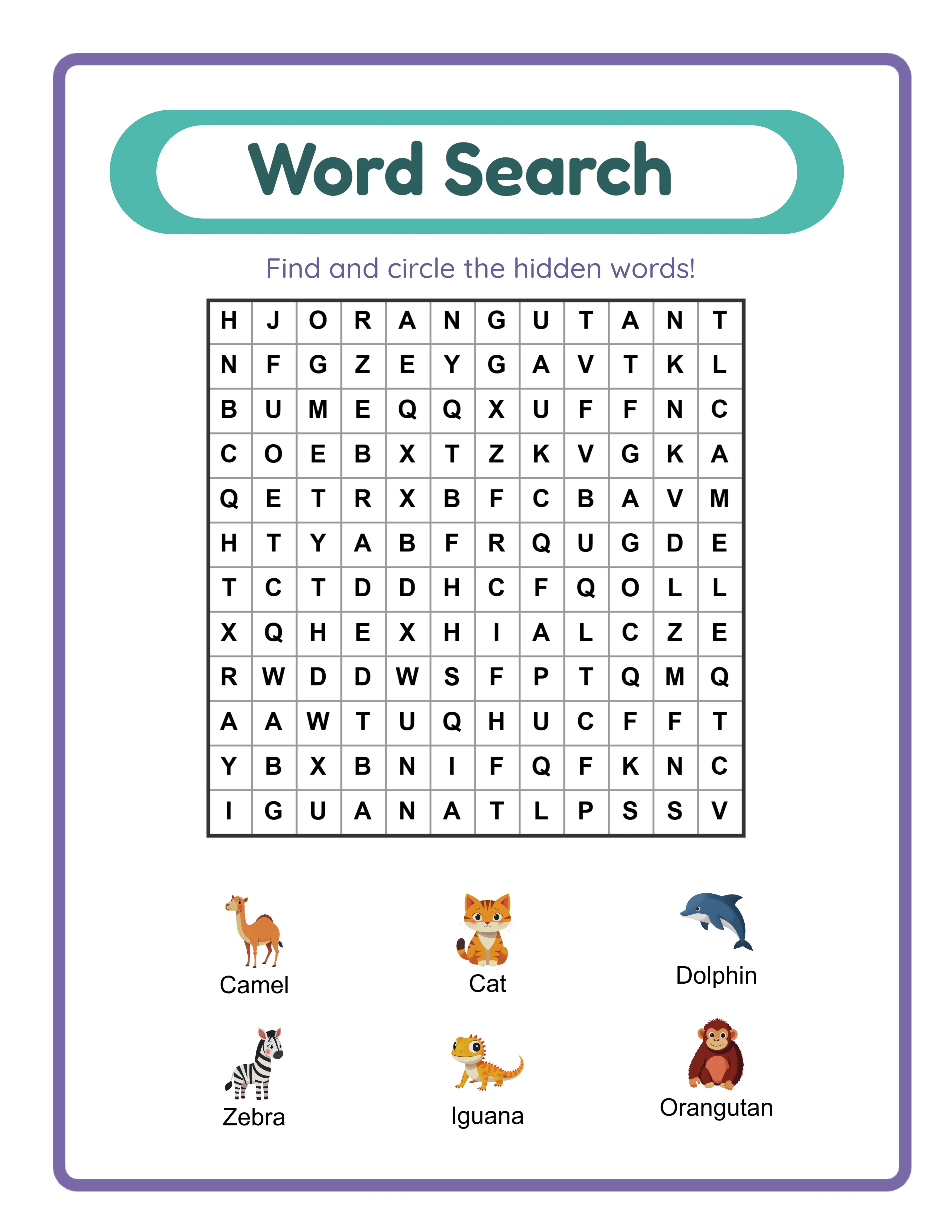
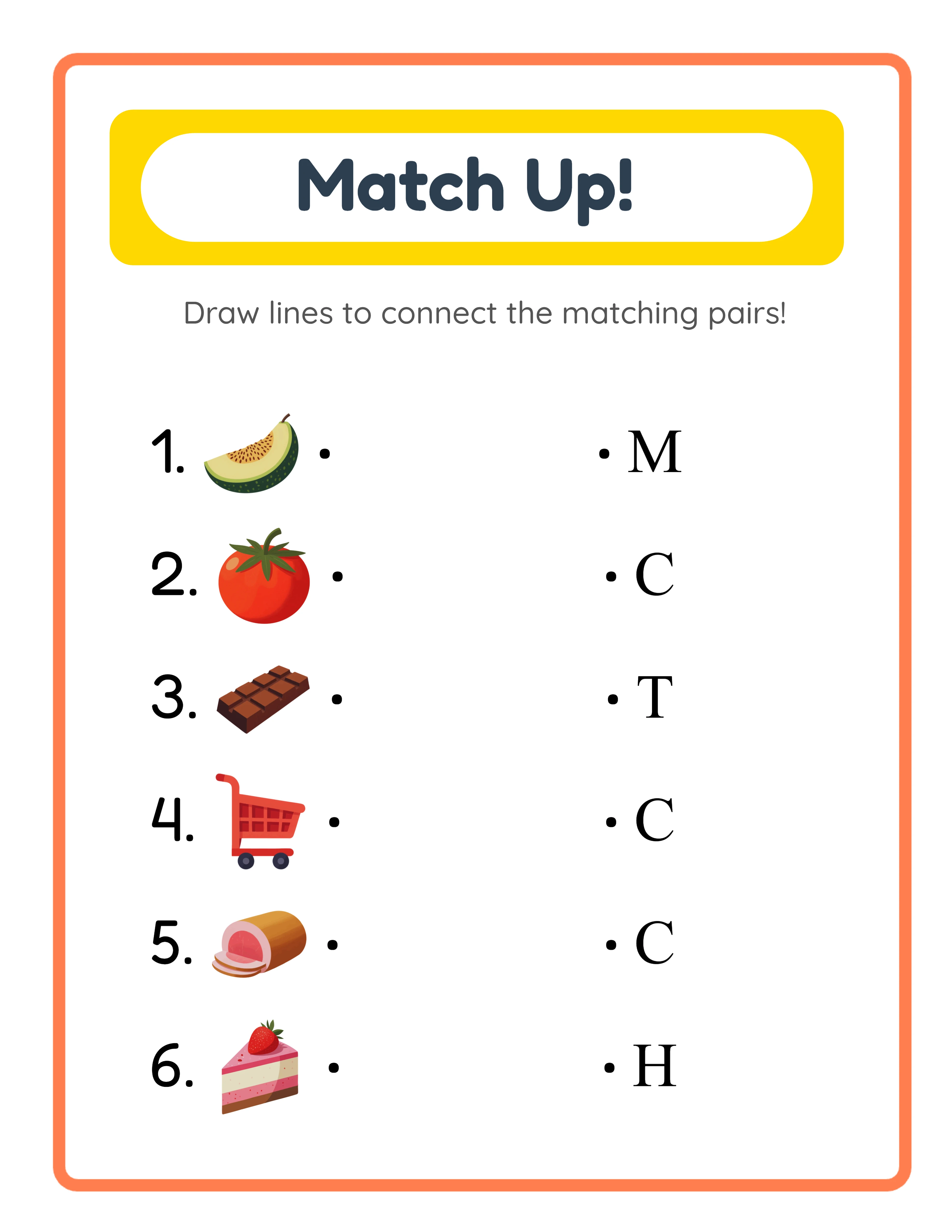
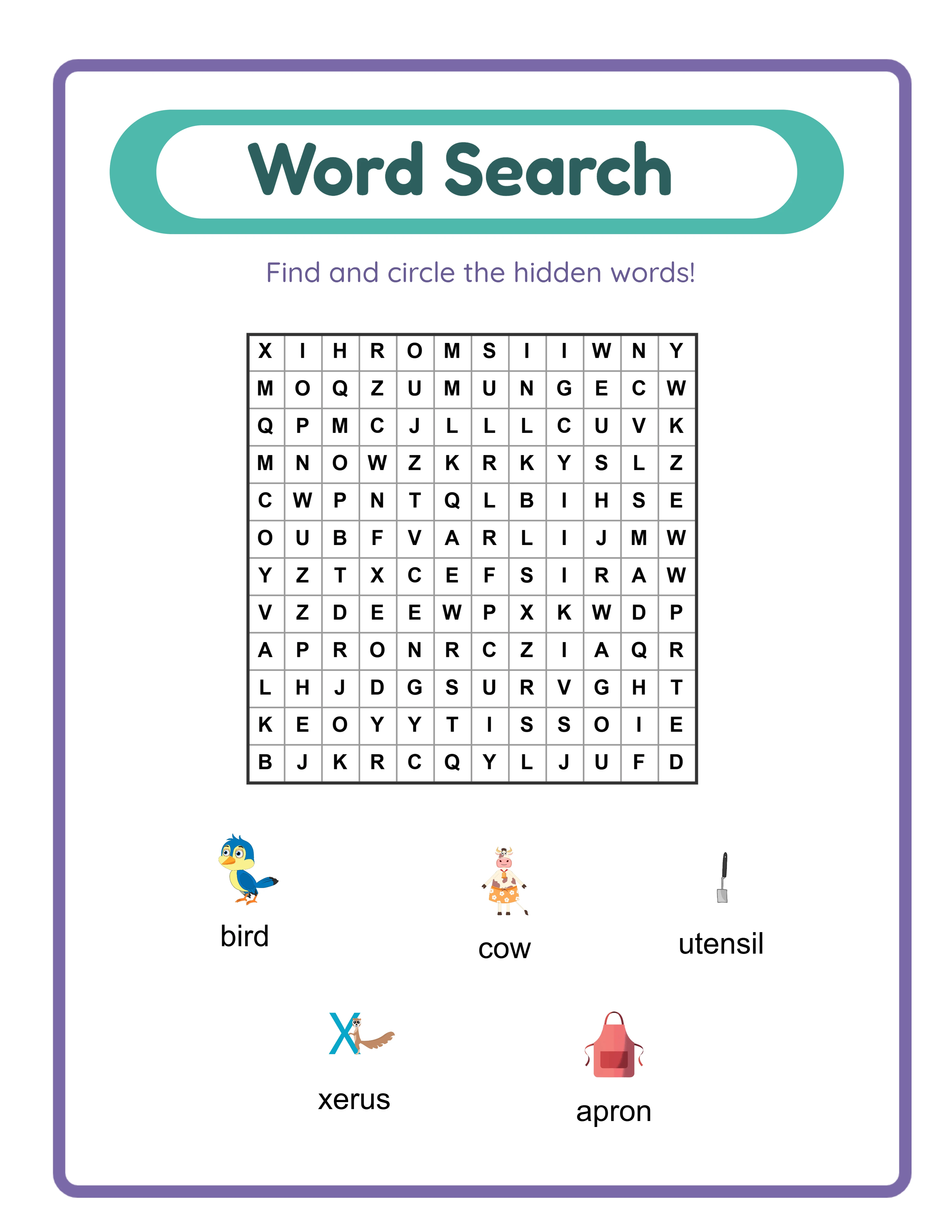
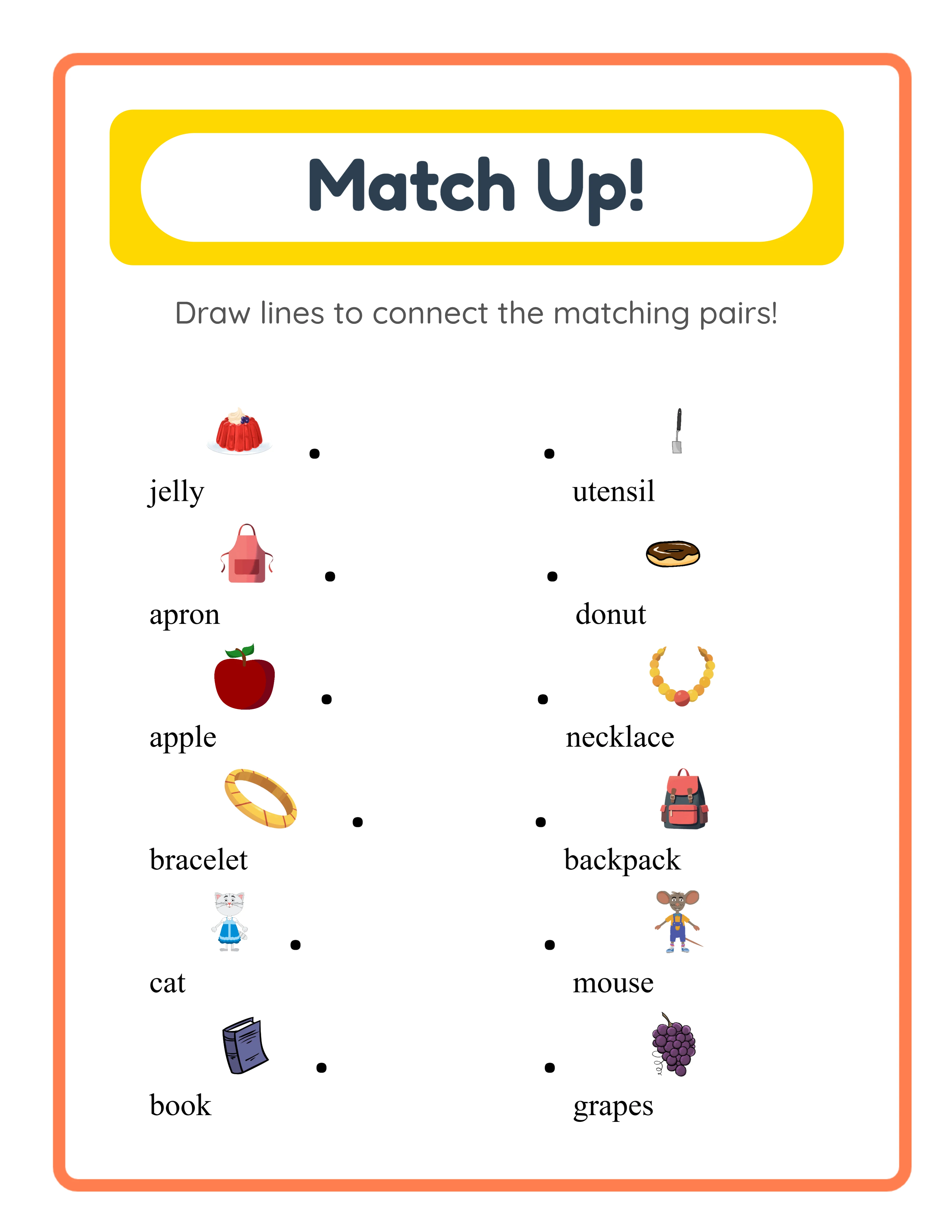
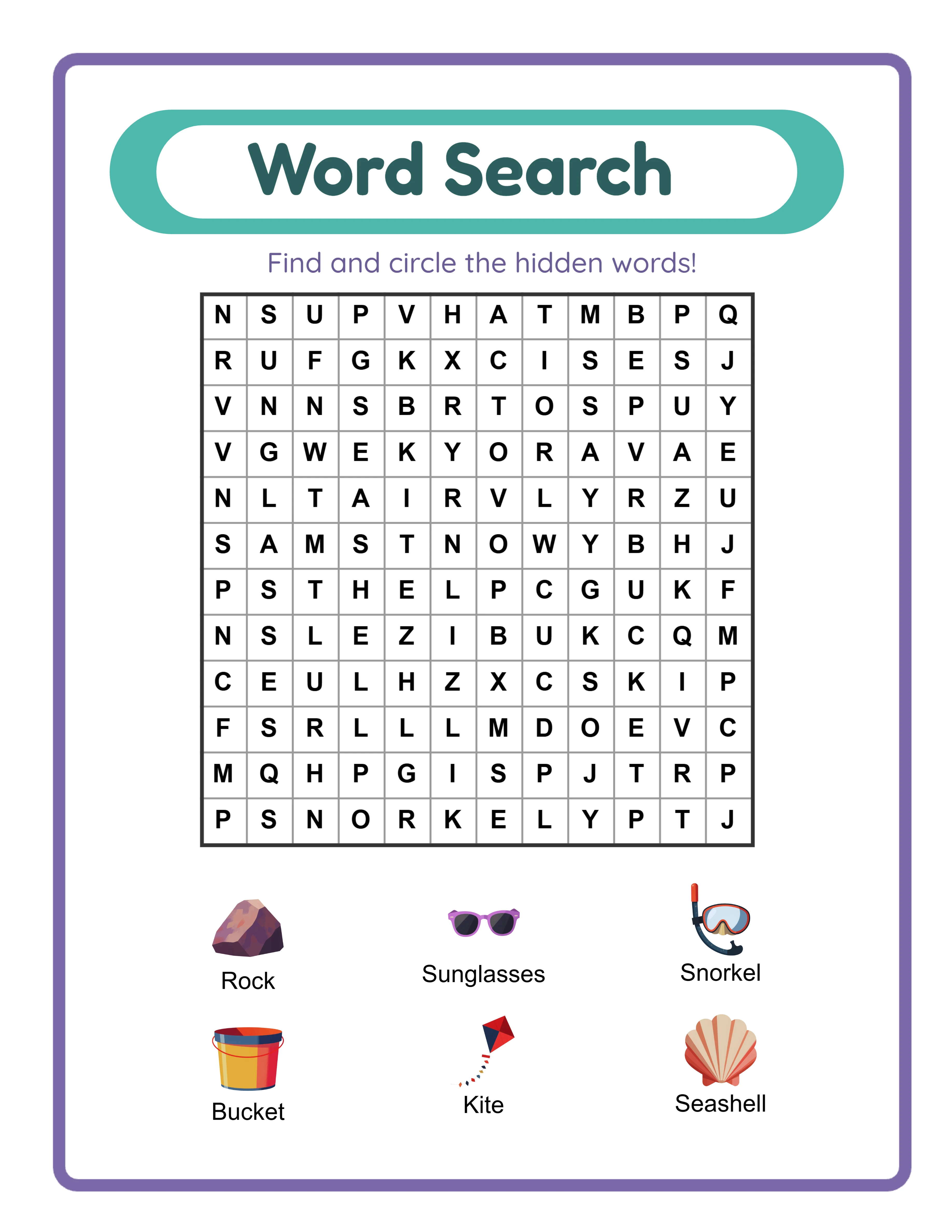
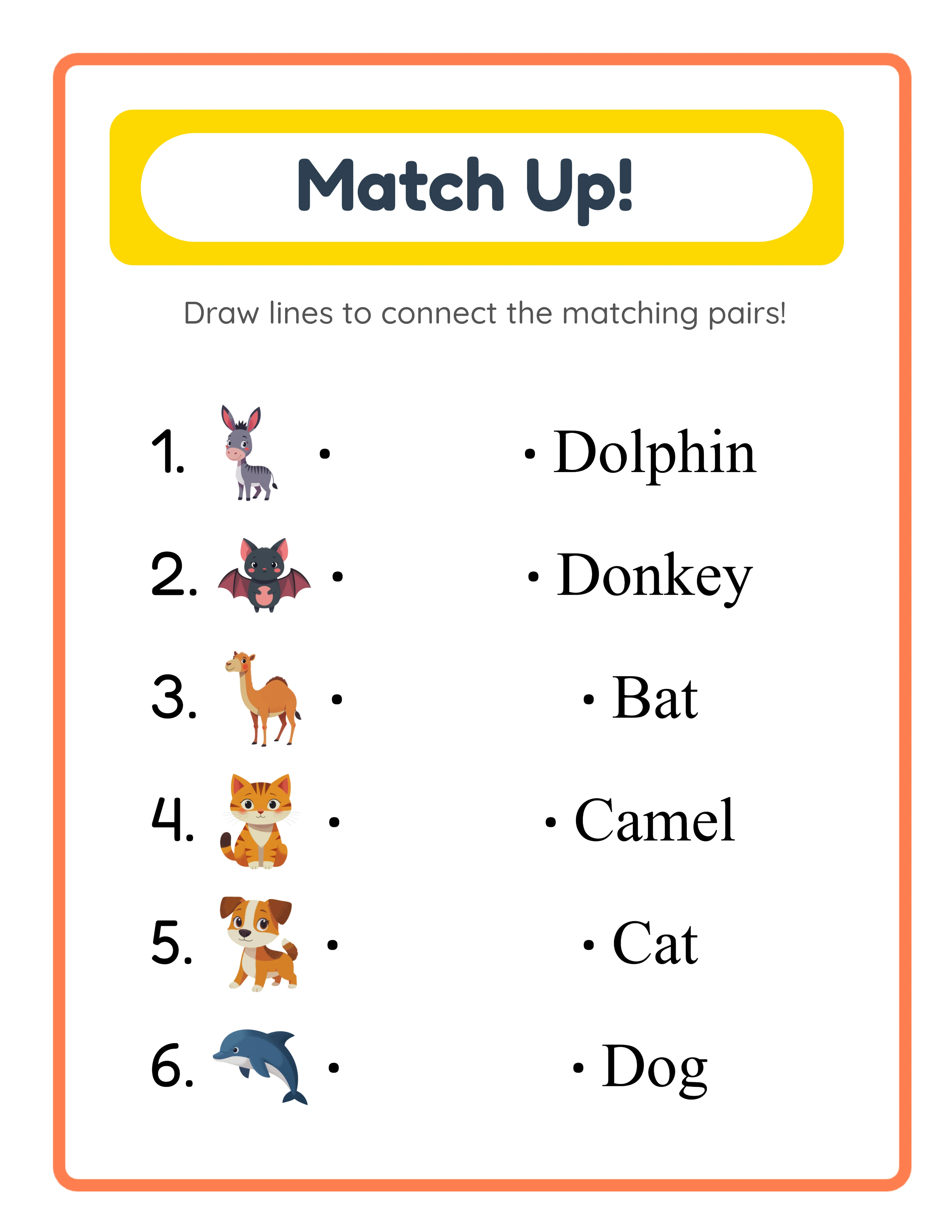
Choose your initial resources strategically. Start with your highest-quality content in a high-demand subject area. Math worksheets, literacy activities, and science resources consistently rank among the most searched categories on Gumroad. Use the worksheet generators to create professional-quality resources efficiently — the Addition generator, Word Search generator, Matching generator, and Coloring Page generator all produce content types that are in constant demand from Gumroad buyers. Export at 300 DPI for print-quality results and compile into properly formatted resource packages.
Promote your resources through Gumroad built-in social features. Gumroad has a follower system where buyers can follow your store and receive notifications when you publish new resources. Encourage buyers to follow your store by including a "Follow My Store" reminder in your resource files. Buyers who follow your store see your new resources in their Gumroad feed, creating a built-in promotional channel that grows as your customer base expands.
Respond to buyer questions and feedback promptly and professionally. Gumroad buyers can ask questions on your product listing pages and leave reviews after purchasing. Responsive, helpful communication builds your store reputation and signals to potential buyers that you are a reliable seller. When you receive constructive feedback about a resource, use it to improve the product and update the listing — buyers notice and appreciate sellers who actively refine their resources based on buyer feedback.
Gumroad search algorithm rewards consistency. Stores that publish new resources regularly maintain higher search visibility than stores that upload a batch of resources and then go dormant. Establish a sustainable publishing cadence — whether that is one new resource per week or two per month — and maintain it. Each new resource gives your store fresh search algorithm consideration and gives existing followers a reason to return to your store. The worksheet generators make this cadence achievable by reducing the time required to create each new resource, letting you focus your effort on packaging, listing optimization, and preview creation rather than content design from scratch.