Tutorial
1
Optimize Your Gumroad Store Brand and Profile
Your store brand is the thread that connects all your resources and makes your store recognizable in a marketplace with millions of listings. Buyers who encounter multiple resources from the same store in search results are more likely to click when the store presents a cohesive, professional brand identity. Inconsistent branding — random cover designs, mismatched color schemes, varying quality levels — signals an unfocused store that buyers scroll past.
Start with your store banner and profile image. Your banner is the first visual element buyers see when they visit your store page. It should communicate your teaching specialty, grade focus, or content type at a glance. A banner that says "K–3 Math and Literacy Resources" immediately tells visiting buyers whether your store is relevant to their needs. Use consistent colors and fonts that match your product covers. If your resource covers use teal and white with a specific font combination, your store banner should use the same palette to create visual continuity.
Rewrite your store description with a focus on what makes your resources valuable to buyers, not just what subjects you cover. Weak store descriptions list subjects: "I sell math worksheets, reading activities, and science resources." Strong store descriptions address buyer needs: "My resources are designed for busy K–2 buyers who need print-and-go activities with clear instructions, complete answer keys, and differentiation options. Every resource targets specific standards and includes implementation suggestions for centers, morning work, and independent practice." The second version tells a visiting buyer exactly what to expect and positions your store as a solution to their specific needs.
Establish a recognizable visual template for your resource covers. The most successful Gumroad stores use a consistent cover design system where every product cover shares the same layout structure, color palette, and typography while varying the content and imagery for each resource. When a buyer sees your resources appearing in search results, the consistent covers create visual brand recognition — they learn to associate your design style with quality, which increases click-through rates on all your listings over time. Create a cover template and apply it retroactively to your existing resources for an immediate visual upgrade across your entire catalog.
2
Master Gumroad Search Algorithm Ranking Factors
Gumroad search algorithm determines which resources appear when buyers search for specific terms, and understanding its ranking factors is the single highest-leverage optimization you can make. Every search result position matters — resources on page one of search results receive dramatically more clicks than those on page two or beyond, and most Gumroad buyers never browse past the first few pages of results.
The algorithm weighs several factors, and title keyword relevance carries the heaviest weight. Gumroad search prioritizes resources whose titles closely match the search query. A buyer searching for "third grade multiplication worksheets" will see resources with those exact words in the title before resources that mention multiplication only in their description or tags. This means your title is not just a name for your resource — it is your primary search optimization tool. Structure every title to include the core search terms buyers actually use: grade level, subject or skill, and resource type.
Sales velocity and conversion rate are the second and third most influential factors. The algorithm tracks how many sales a resource generates relative to how many times it appears in search results (impressions) and how many times buyers click through to the listing (clicks). A resource that converts 8% of its clicks into sales will rank higher over time than a resource with the same keyword relevance that converts only 2%. This is why preview optimization (covered in Step 4) directly impacts search ranking — better previews improve conversion, which improves ranking, which generates more impressions, creating a positive feedback loop.
Review scores and review count influence ranking as well. Resources with more positive reviews rank higher than comparable resources with fewer or lower-rated reviews. The algorithm uses reviews as a quality signal, and buyers use them as a trust signal. A resource with 15 five-star reviews will outrank a similar resource with 3 five-star reviews, even with identical keyword relevance and conversion rates.
Recency matters for search ranking. Recently published or recently updated resources receive a temporary ranking boost. This means updating your existing resources — improving content, refreshing previews, revising descriptions — can give them renewed search visibility without creating entirely new listings. Some experienced Gumroad sellers systematically update their oldest resources on a rotating schedule to take advantage of this recency signal.
To reverse-engineer competitor rankings for any search term, type the query into Gumroad search and study the top 10 results. Note their titles, price points, review counts, and how long they have been listed. This reveals what the algorithm currently favors for that search term and shows you exactly what your resource needs to compete. Identify keyword gaps where search volume exists but top results are sparse, low-rated, or poorly optimized — these gaps are your highest-opportunity targets for new resources or listing optimizations.
3
Write High-Converting Product Descriptions
Your product description is where browsing buyers decide whether to open your preview and ultimately purchase. Most Gumroad sellers write descriptions that describe what their resource is. The highest-converting descriptions sell the outcome the buyer gets from using it. The difference is subtle but significant: "This pack includes 20 addition worksheets" describes the product. "Give your users 20 targeted addition practice pages that build fluency from basic facts through three-digit regrouping — each page includes visual models, clear instructions, and a complete answer key so you can assess progress without extra prep" sells the outcome.
Structure your description with a benefit-first opening, not a feature list. Buyers scanning search results and product pages are asking one question: "Will this save me time and work for my needs?" Lead with the answer. Your opening sentence should address a specific buyer need or pain point that your resource solves, followed by a brief explanation of how the resource delivers that solution.
Follow the opening with a detailed "What's Included" section. Use bullet points to list every component of the resource: number of worksheet pages, types of activities, difficulty range, answer keys, buyer notes, terms of use page. Buyers want to know exactly what they are downloading before they spend budget on it. Be specific — "12 addition worksheets (4 single-digit, 4 double-digit without regrouping, 4 double-digit with regrouping)" is far more useful than "addition worksheets at various levels."
Include a "How to Use This Resource" section that provides implementation ideas. Suggest specific use cases: morning work, math centers, homework, assessment, early finisher activities, small group instruction, backup lesson plans. Buyers who can immediately envision how they will use a resource in their daily routine are more likely to purchase than buyers who have to figure out implementation themselves. This section also positions your resource as versatile, which increases its perceived value.
End with technical details: file format (PDF), page dimensions, compatibility notes, and whether the resource is editable. Mention if the content is standards-aligned and list the specific standards when applicable. These details remove last-minute purchase hesitation by answering the practical questions buyers have before downloading.
Use formatting within Gumroad description fields to improve readability. Bold key section headers, use bullet points for lists, and add line breaks between sections. A wall of unformatted text is harder to scan and converts worse than a well-structured description with clear visual hierarchy, even if the content is identical.
4
Optimize Product Previews for Maximum Conversion
The preview file is where the majority of purchase decisions happen on Gumroad. Buyers on this platform are methodical buyers — they open previews, scroll through every page, evaluate the formatting and content quality, and then decide whether the resource meets their needs. A weak preview kills sales on resources that would otherwise convert, and a strong preview can compensate for a description that does not fully communicate the resource value.
Choose your preview pages strategically. Include your cover page (shows professionalism and branding), one or two of your strongest activity pages (demonstrates actual content quality), a page showing the scope of what is included (builds perceived value), and a sample of your answer key format (addresses a common buyer concern). The goal is to show enough that buyers can evaluate quality with confidence while leaving enough content unpreviewed that purchasing still provides significant additional value.
The activity pages you include in the preview should represent your best work within the resource. If your worksheet pack contains 15 pages with varying complexity and visual appeal, select the two or three pages that are most visually engaging and clearly demonstrate the skill-level targeting of the resource. Buyers extrapolate from preview pages — they assume the unpreviewed pages match the quality of what they see. Make sure that assumption works in your favor.
Consider the preview-to-full-resource ratio carefully. Showing too little (just the cover page and a table of contents) fails to demonstrate content quality and leaves buyers unable to evaluate whether the resource meets their needs. Showing too much (8 of 12 pages) removes the incentive to purchase because the preview already provides most of the value. For a 10 to 15 page resource, 3 to 5 preview pages typically hits the right balance. For larger resources (25 or more pages), you can show 5 to 8 pages while still retaining substantial unpreviewed content.
Watermarking is a strategic choice, not a requirement. Some sellers watermark preview pages with a diagonal "PREVIEW" overlay at low opacity to prevent direct use of preview pages without purchase. Others leave previews clean, arguing that the conversion benefit of an unobstructed preview outweighs the minimal revenue loss from buyers who might use preview pages directly. Test both approaches and track which converts better for your specific resource types. If you watermark, keep opacity at 15% to 25% so buyers can still clearly evaluate content quality through the watermark.
Revisit and update previews whenever you update the resource itself. An outdated preview that does not reflect the current version of your resource creates a disconnect that leads to buyer disappointment and negative reviews. Treat your preview as a living sales document that always accurately represents what the buyer will receive.
5
Build a Review Generation Strategy
Reviews on Gumroad serve a dual purpose: they influence search algorithm ranking, and they influence buyer purchasing decisions. A resource with 20 positive reviews sells at a significantly higher rate than an identical resource with 2 reviews, both because the algorithm ranks it higher and because buyers trust it more. Building review momentum is one of the most impactful long-term optimization strategies for your Gumroad store.
The most effective ethical approach to generating reviews is including a polite review request within your resource files. Add a page at the end of your resource (after the answer key, before terms of use) that thanks the buyer for their purchase, asks them to leave a rating if they found the resource helpful, and includes a brief explanation of how reviews help small sellers create more resources. Keep the request genuine and low-pressure — buyers appreciate honesty and are turned off by aggressive review solicitation.
Quality is the foundation of organic reviews. Resources that genuinely help buyers save time, engage users, and meet curriculum objectives generate positive reviews naturally. When a buyer uses your addition worksheets as morning work for a week and sees her users improving, she is motivated to leave a positive review without being asked. Focus on creating resources that deliver measurable value, and reviews will follow as a natural consequence of quality.
Respond to every review you receive, positive or negative. Thanking buyers for positive reviews creates a personal connection and signals to other potential buyers that you are an active, engaged seller. Responding to critical reviews constructively — acknowledging the feedback, explaining any updates you have made based on it, and offering to address the buyer concerns directly — demonstrates professionalism and often prompts the reviewer to update their rating.
Handle negative reviews as improvement opportunities rather than threats. A one-star review that says "the worksheets were too easy for my third graders" is valuable data about grade-level targeting. Use this feedback to refine your resource descriptions (clarifying the intended difficulty level), update the resource itself (adding challenge-level options), or create a companion resource at a higher difficulty. When you update a resource based on feedback, mention the improvement in a response to the original review — this shows other buyers that you actively respond to needs.
Never offer incentives for reviews, purchase reviews, or engage in any review manipulation. Gumroad has policies against artificial review inflation, and buyers can spot inauthentic reviews. A store with 50 suspicious five-star reviews with generic text is less trustworthy than a store with 15 detailed, genuine reviews that mention specific experiences. Let your review base grow organically through consistent quality and polite, non-pushy requests.
6
Structure Your Store for Browse-Friendly Navigation
Many buyers who visit your Gumroad store page arrive because they found one resource through search. Whether they purchase additional resources during that visit depends largely on how easy it is to browse your store and find other relevant listings. A well-organized store converts single-resource visitors into multi-resource buyers; a disorganized store loses those additional sales.
Use Gumroad store sections (also called categories or custom categories) to organize your resources into logical groupings. Effective section structures vary by store focus, but common approaches include organizing by grade level ("Kindergarten," "First Grade," "Second Grade"), by subject ("Math," "Literacy," "Science"), by resource type ("Worksheets," "Activity Packs," "Bundles"), or by skill focus ("Addition and Subtraction," "Sight Words," "Reading Comprehension"). Choose the structure that best reflects how your target audience thinks about finding resources. A store specializing in K–2 math resources might organize by skill (addition, subtraction, multiplication readiness, number sense) because buyers shopping for math resources think in terms of skills they are teaching. A store covering multiple subjects across one grade might organize by subject because that matches how buyers plan their days.
Create logical product progressions within your sections. When a buyer browses your "Addition" section, they should see a clear progression from easier to more complex resources: basic single-digit addition, double-digit without regrouping, double-digit with regrouping, triple-digit addition, mixed review. This progression serves two purposes. First, it helps buyers find the exact difficulty level they need. Second, it shows buyers the breadth of your content in that skill area, encouraging them to purchase multiple resources in the progression for use throughout the school year.
Feature your strongest resources and best bundles prominently. Gumroad lets you designate featured resources that appear at the top of your store page. Choose resources with your highest ratings, strongest reviews, and best conversion rates. These are the resources most likely to impress a first-time store visitor and convert them into a buyer. If you offer custom bundles or curated bundle listings, feature those as well — bundles at a discount are compelling for buyers who find multiple relevant resources in your store.
Keep your store sections updated as your catalog grows. Empty or nearly empty sections look unfinished and undermine buyer confidence. If you create a "Science" section but only have one science resource, consider removing the section until you have enough resources to populate it meaningfully (at least 3 to 5 listings per section). A store with 4 well-populated sections looks more professional and trustworthy than a store with 8 sections where half contain only 1 or 2 resources each.
7
Leverage Gumroad Promotional Tools and Events
Gumroad hosts site-wide sales events multiple times per year, and these events generate enormous traffic spikes and concentrated purchasing activity. The major annual sales — typically in August for back-to-school, November for the holiday season, and February or March for a mid-year sale — drive a disproportionate share of annual revenue for many Gumroad sellers. Preparing your store for these events is a high-impact optimization that pays dividends in concentrated bursts.
During site-wide sales, Gumroad applies a platform-wide discount code and promotes the event to its entire buyer base through email marketing, social media, and on-platform banners. Individual sellers can stack an additional discount on top of the site-wide code, typically offering 20% to 25% off their products. The stacked discount creates compelling deals that motivate buyers to purchase resources they have been considering or wishlisting. Sellers who participate with their own additional discount appear in sale-specific browse pages and filters, gaining visibility among the surge of shopping buyers.
Prepare your catalog before each major sale event. In the 2 to 3 weeks leading up to a sale, audit your listings for optimization gaps: update any outdated previews, refresh descriptions, ensure all categorization and standards tagging is complete, and verify that your prices are set appropriately before the discount applies. A resource priced at $5 with your 20% seller discount and Gumroad's site-wide discount becomes very attractively priced, but only if the listing is optimized well enough to convert the increased traffic into actual sales.
Gumroad's follower notification system is an underutilized promotional tool. Buyers who follow your store receive notifications when you publish new resources, and followers are your most engaged potential repeat customers. Grow your follower base by including a "Follow My Store" reminder in your resource download files, mentioning it in your product descriptions, and delivering consistently high-quality content that motivates buyers to want updates about your new releases. A store with 500 followers effectively has a built-in mailing list that gets notified of every new resource without any email marketing infrastructure.
Wishlist-driven purchasing is another pattern to leverage. Buyers frequently add resources to their Gumroad wishlist to revisit during sales events when discounts make them more affordable. Resources that accumulate wishlist adds convert strongly during sales because the buyer intent already exists — the sale discount simply provides the final motivation. You cannot see wishlist numbers for your resources, but you can infer their presence through sales spikes during site-wide events. Resources that spike most dramatically during sales likely had significant wishlist accumulation beforehand.
Publish new resources strategically around sale events for maximum launch visibility. A new resource published 1 to 2 weeks before a major sale benefits from both the recency ranking boost and the sale traffic surge. This timing gives the new listing enough indexing time to appear in search results while still being fresh enough to benefit from the recency signal when traffic peaks during the sale.
8
Scale Your Gumroad Catalog with Data-Driven Content Planning
The transition from occasional Gumroad seller to consistent revenue generator happens when you stop guessing about what to create and start using your actual sales data to guide content decisions. Gumroad provides analytics that show which resources generate the most views, clicks, sales, and revenue. These numbers tell you exactly what your audience wants more of and where your catalog has gaps.
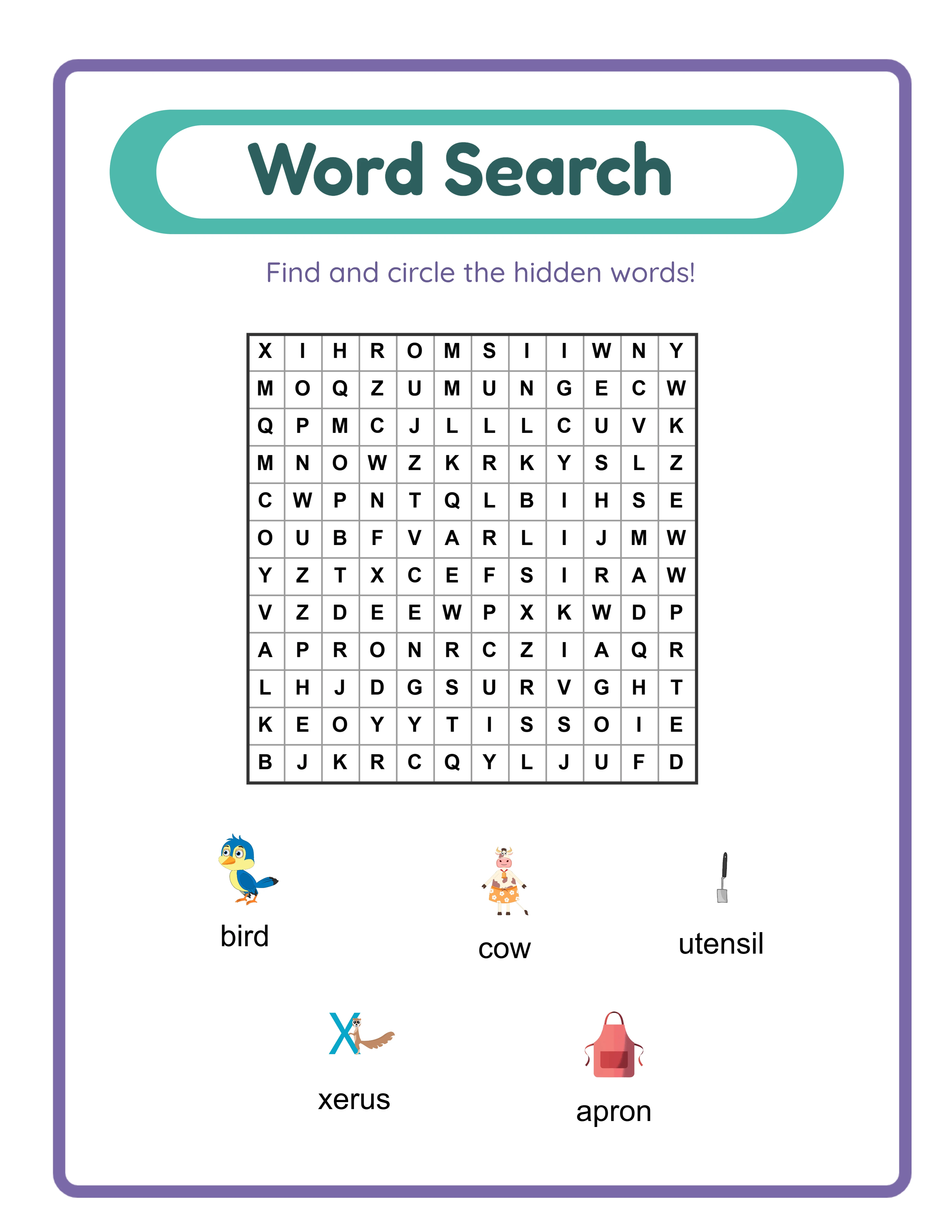
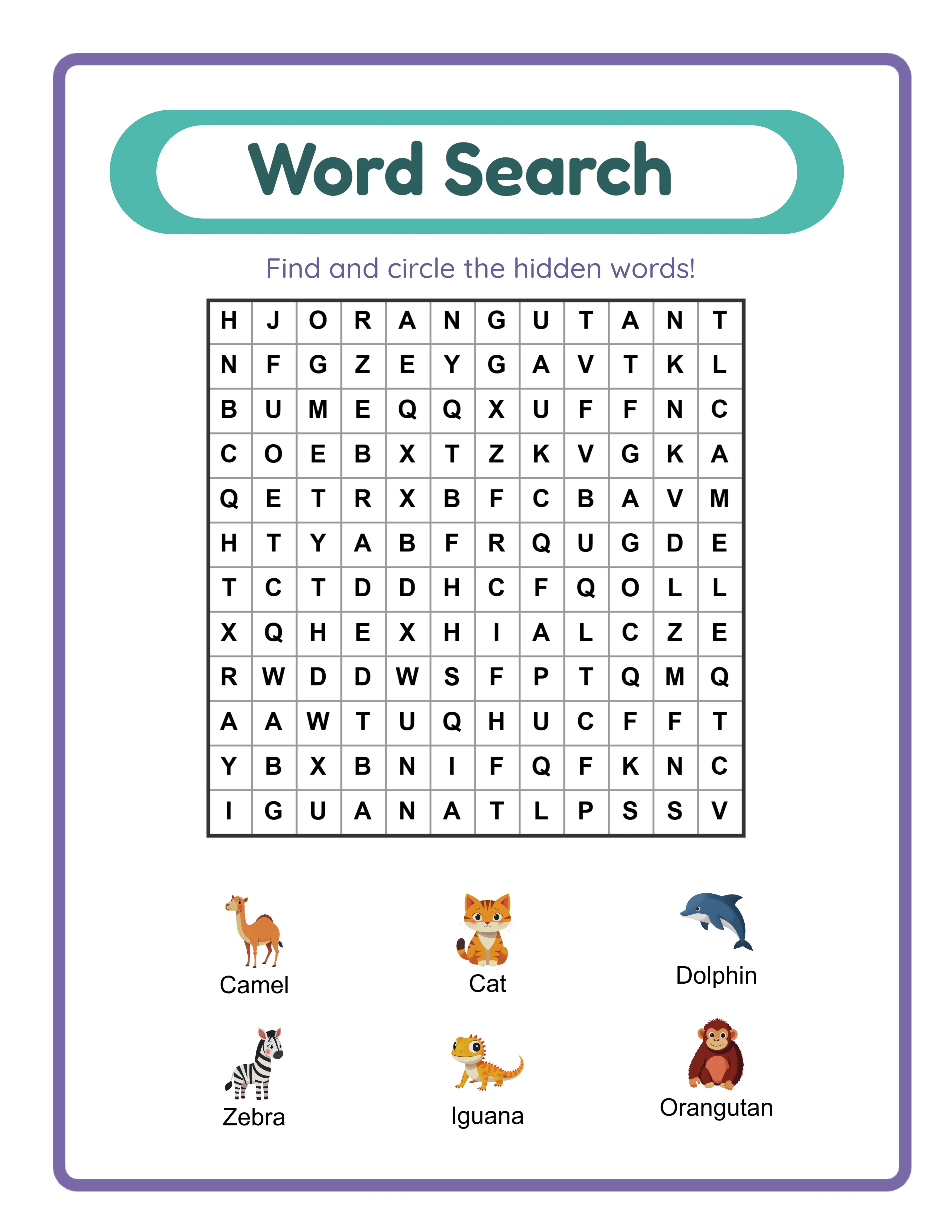
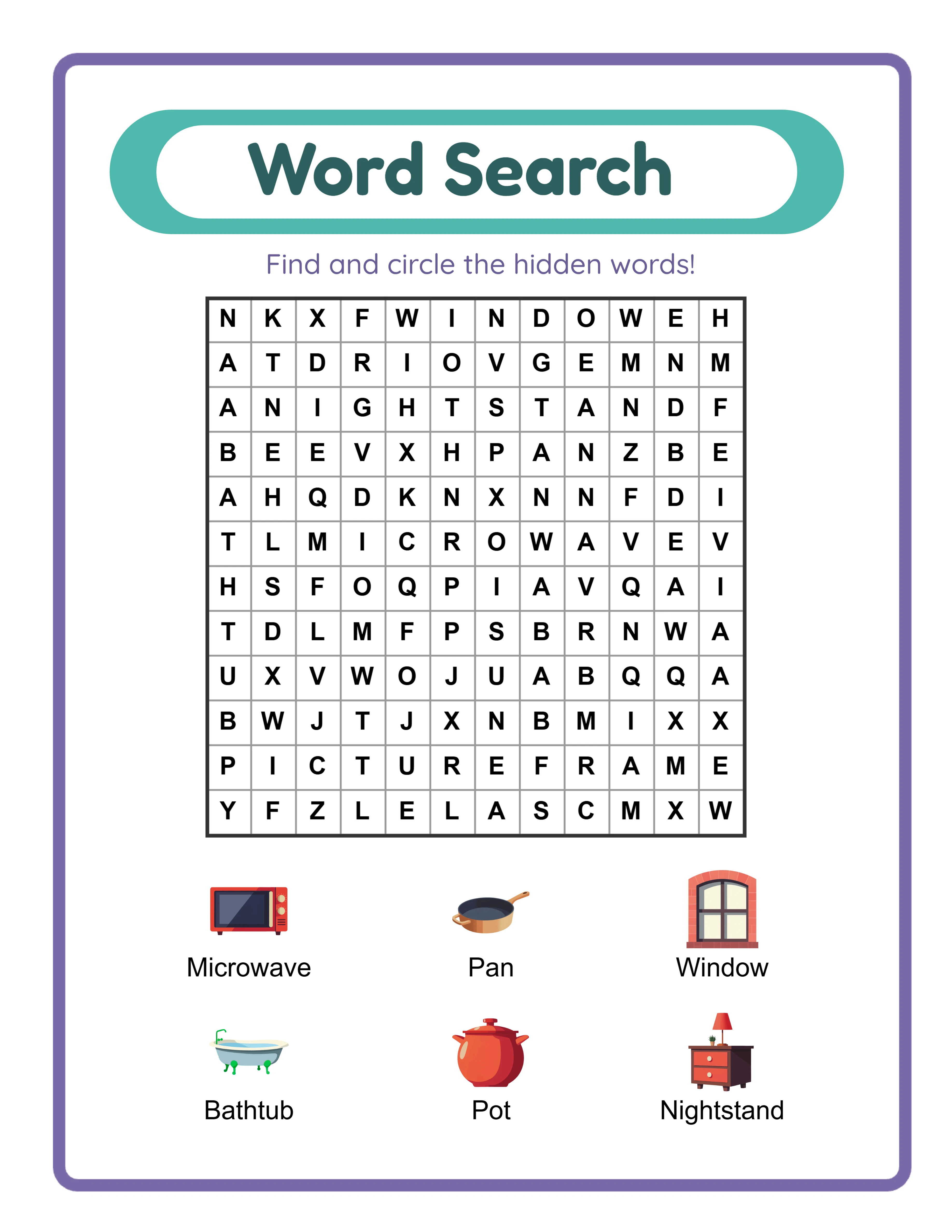
Identify your top-performing resources and analyze what they have in common. If your three highest-earning resources are all first-grade math worksheets, that is a clear signal to create more first-grade math content. If your word search puzzles consistently outperform your other resource types in sales per listing, prioritize creating more word search variations. The data often reveals patterns that are not obvious from intuition alone — a resource you considered average might quietly be your steadiest earner because it targets a keyword with consistent search volume and low competition.
Double down on categories where you already have traction. It is tempting to diversify across every grade level and subject, but concentrated depth in a focused area typically outperforms broad but shallow coverage. A store with 30 high-quality first-grade math resources dominates that niche more effectively than a store with 30 resources scattered across 6 grades and 5 subjects. Depth creates compound benefits: buyers who buy one first-grade math resource from your store are likely to buy more, your store gains topical authority in Gumroad search for that niche, and your reviews concentrate in one area, building social proof that attracts more buyers.
Identify gaps in your catalog by examining what top-performing resources lack in companion content. If your "First Grade Addition Worksheets" pack is your top seller, consider what a buyer who purchases it needs next: subtraction worksheets at the same grade level, more advanced addition practice with regrouping, mixed operations review, or assessment tools for the same skills. Each gap represents a resource that has a built-in audience — the buyers who already purchased the related resource.
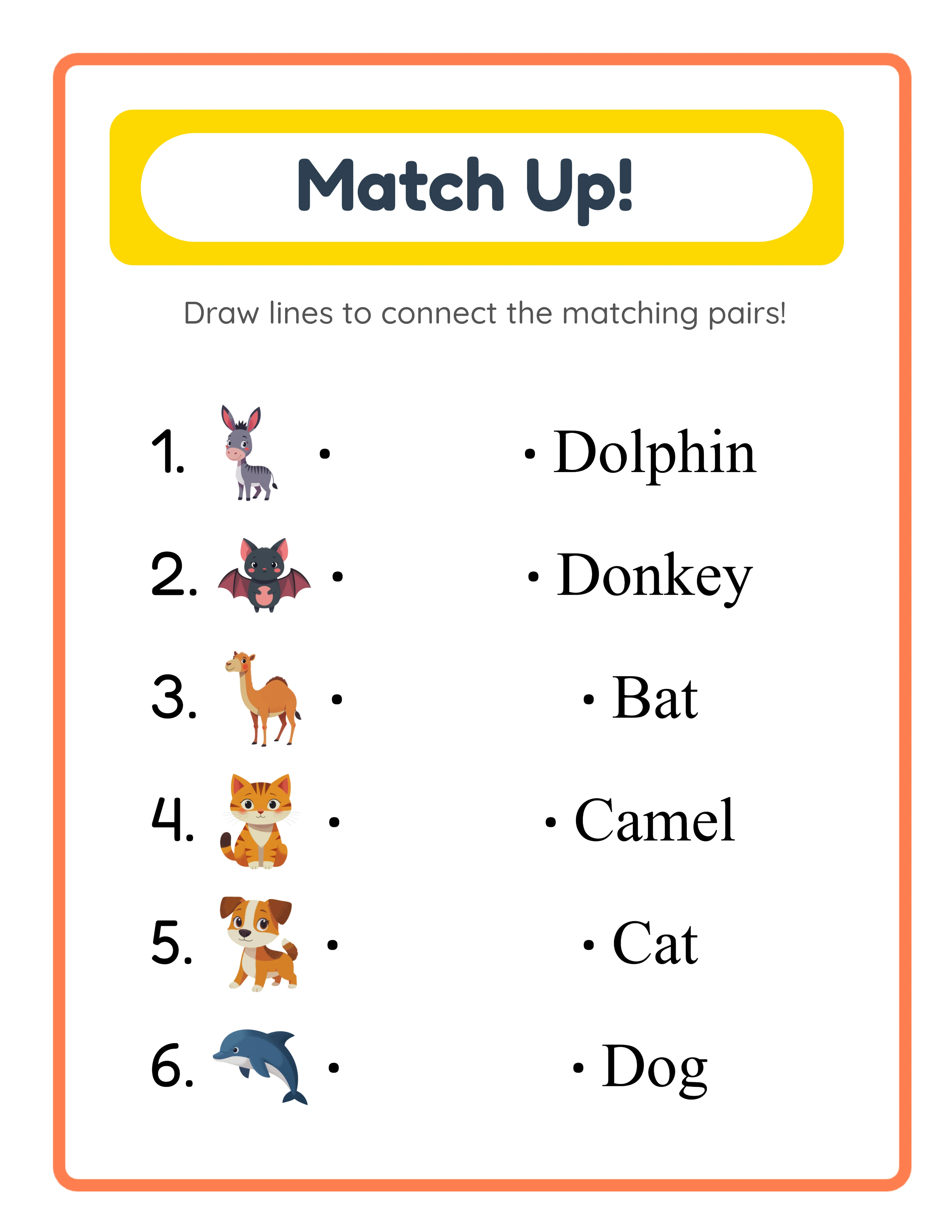
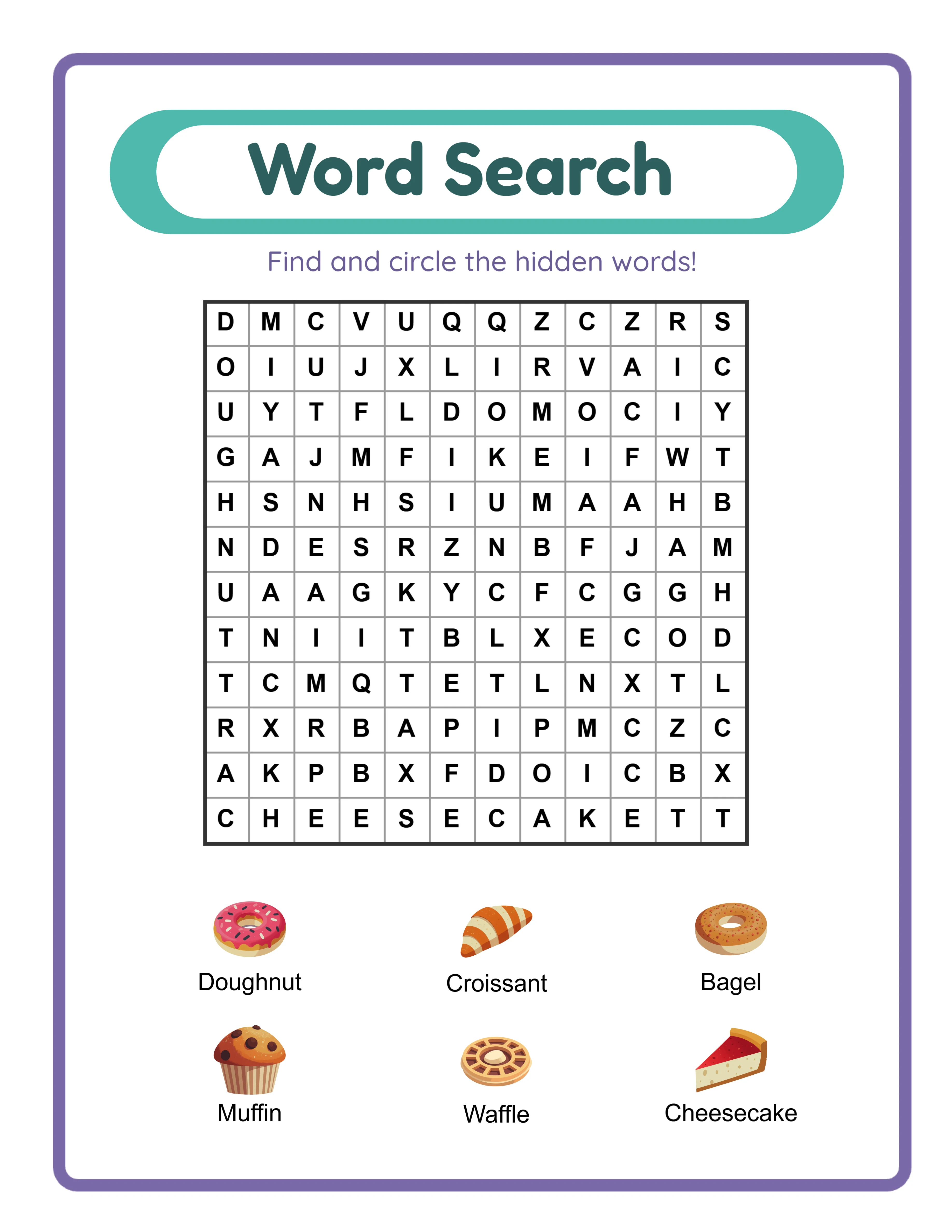
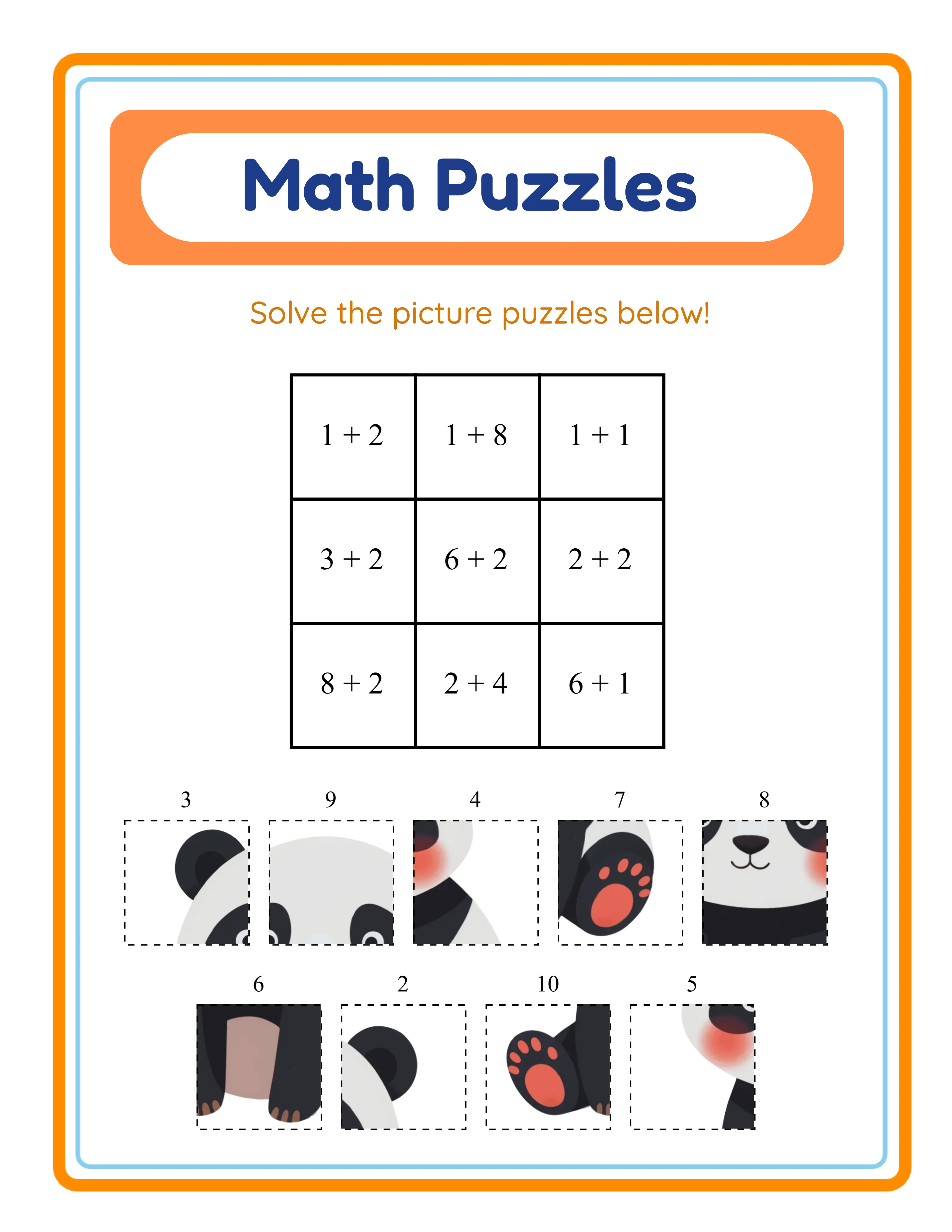
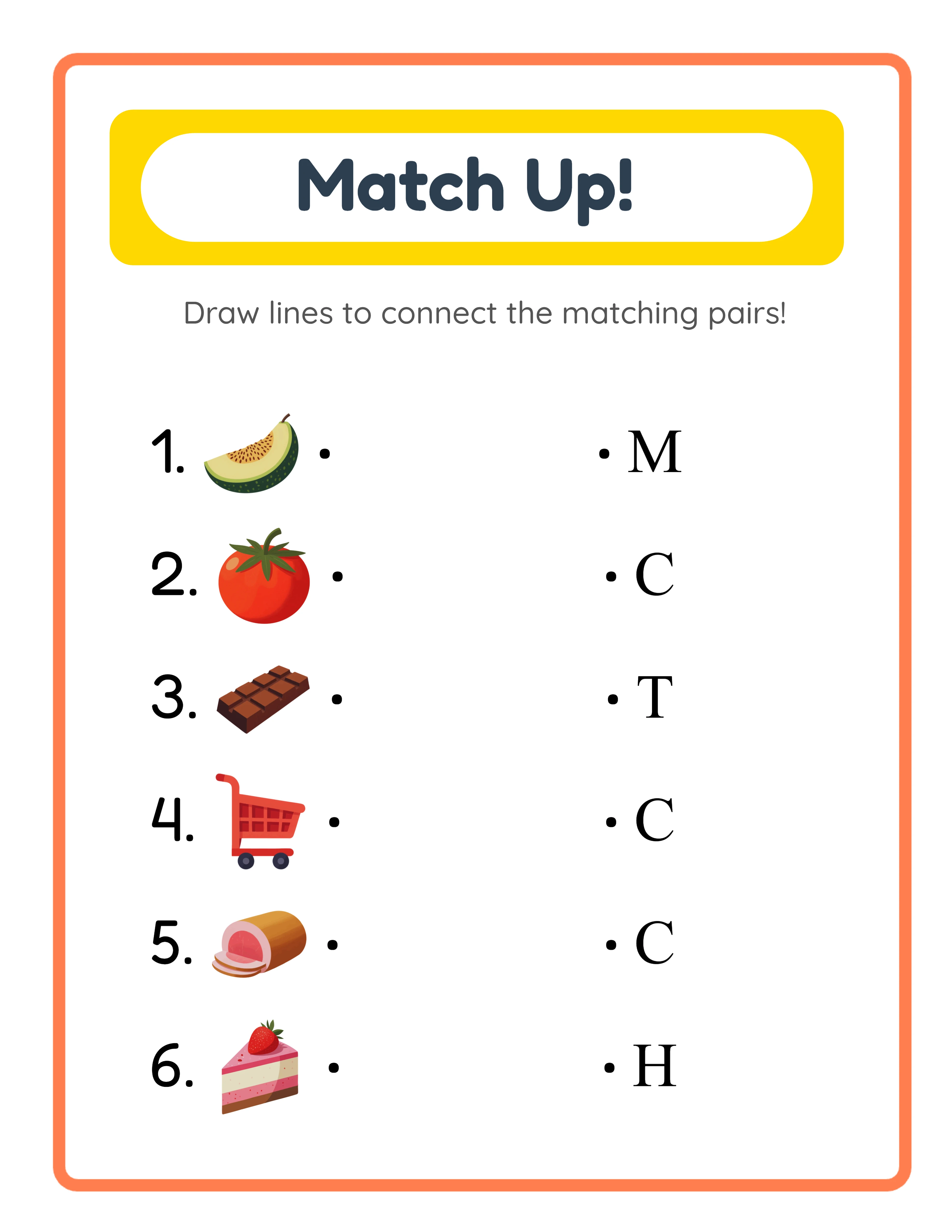
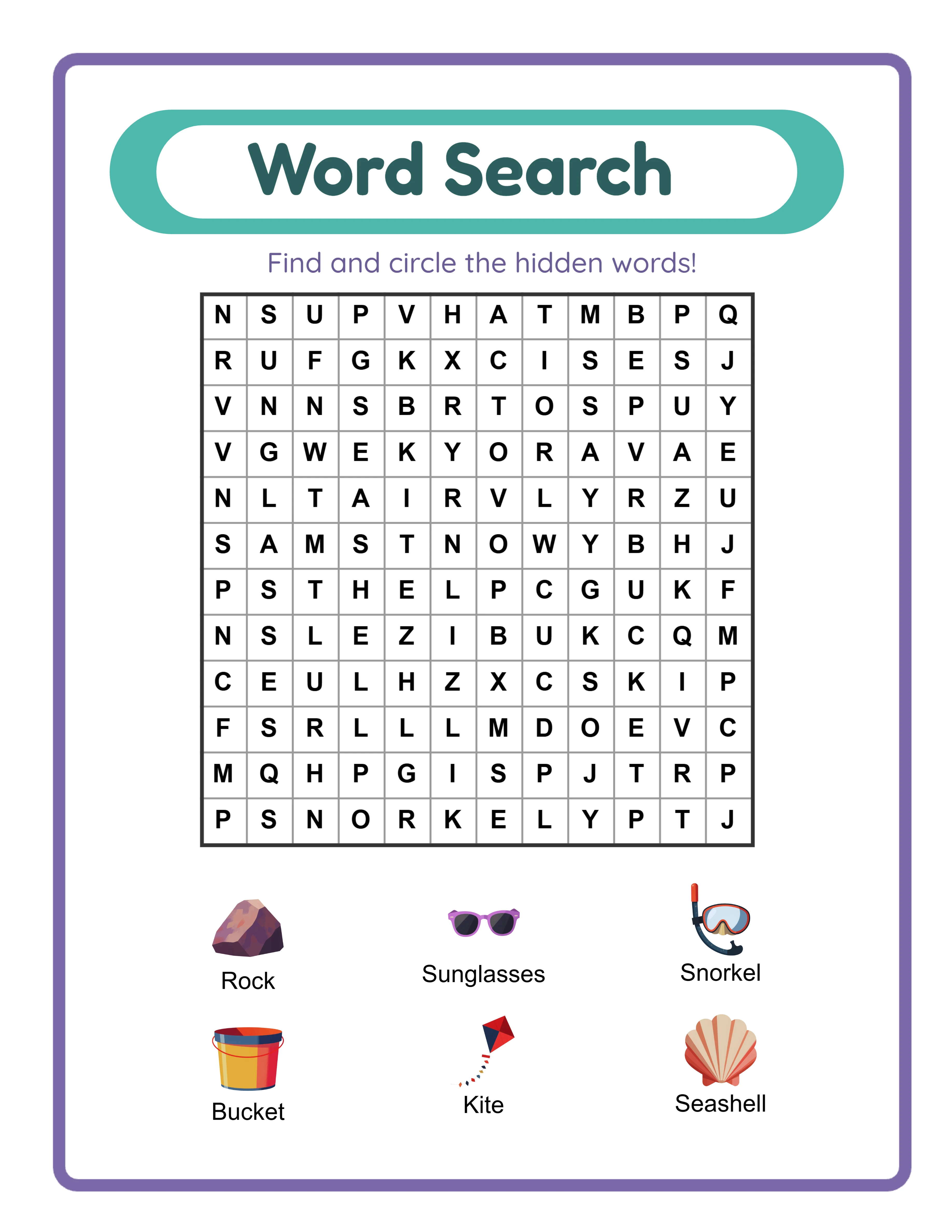
Plan content around seasonal demand cycles. Buyer purchasing follows predictable patterns: back-to-school preparation peaks in July through September, holiday-themed resources sell heavily in October through December, spring assessment prep resources sell in March through May, and end-of-year review materials sell in May through June. Map your content creation calendar to have relevant seasonal resources published at least 3 to 4 weeks before each demand peak. Use the worksheet generators to create themed variations efficiently — the Word Search generator can produce seasonal vocabulary puzzles, the Math Puzzle generator can create holiday-themed math challenges, and the Matching generator can produce seasonal matching activities, all without starting from scratch.
Expand into adjacent grade levels and subjects only after dominating your primary niche. When your first-grade math catalog is comprehensive enough to capture most search traffic in that niche, expanding to second-grade math or first-grade literacy makes strategic sense because you can leverage your existing store reputation, review base, and follower audience. This adjacent expansion is lower risk than jumping to an entirely unrelated niche because your brand credibility transfers partially to related content areas.
.webp)
.webp)





.webp)