Free Flowers Worksheets for Kids
Flower worksheets bring the beauty of the botanical world into any learning space while teaching essential plant science. Students explore the anatomy of a flower by labeling petals, stamens, pistils, and sepals, gaining firsthand knowledge of how each part contributes to reproduction and pollination. Life cycle activities guide children through the journey from seed to sprout to bloom, reinforcing sequencing skills and scientific vocabulary. Pollination lessons reveal the vital role bees, butterflies, and wind play in food production, connecting biology with environmental awareness. Artistic exercises such as symmetry drawing and color mixing with floral subjects develop fine motor coordination alongside creativity. These resources also introduce classification by helping learners group flowers by petal count, color, or habitat. Flower worksheets blend science and art into memorable, cross-curricular experiences that inspire wonder about the living world.
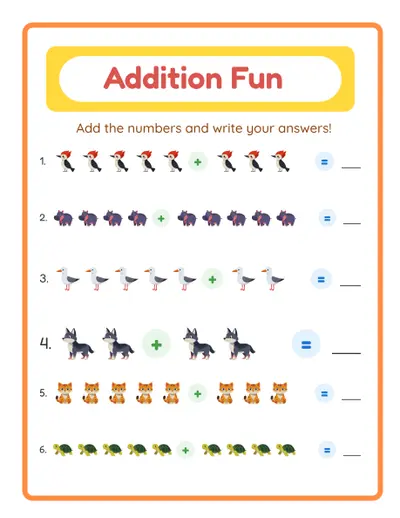
Addition
Create Now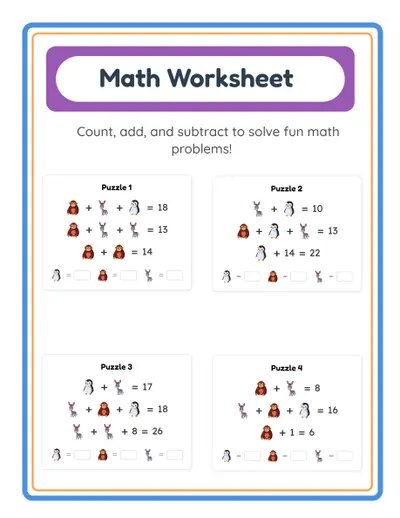
Math
Create Now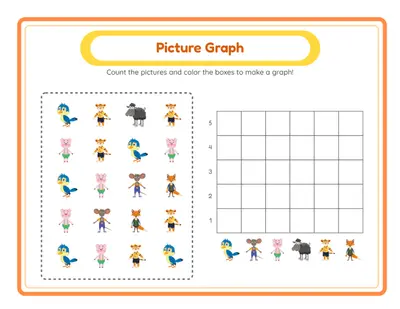
Chart Count
Create Now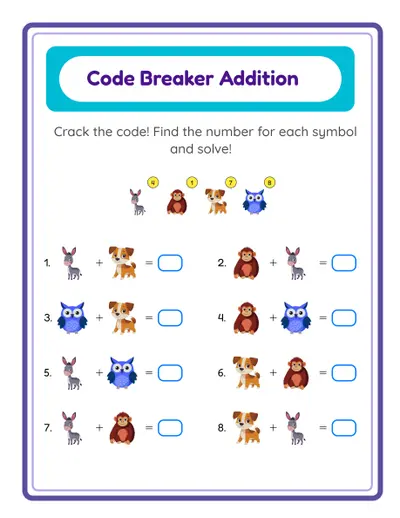
Code Addition
Create Now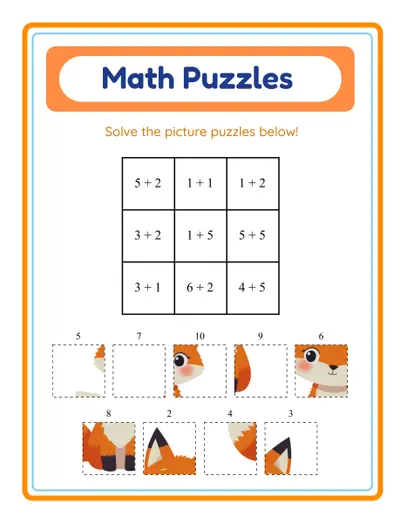
Math Puzzle
Create Now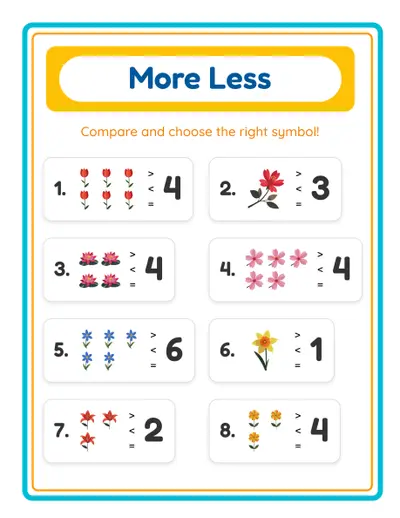
More or Less
Create Now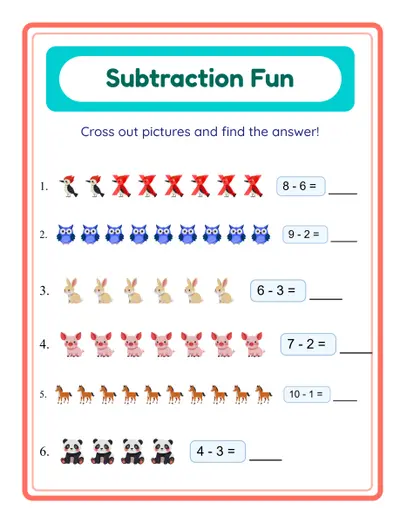
Subtraction
Create Now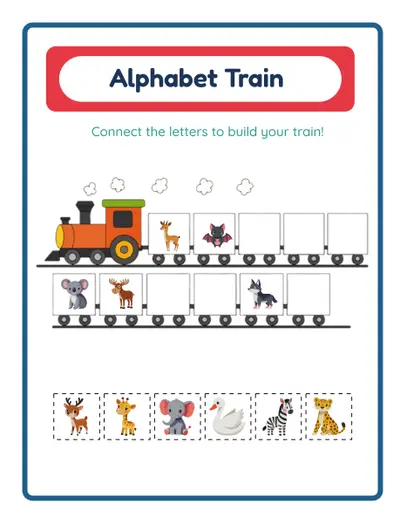
Alphabet Train
Create Now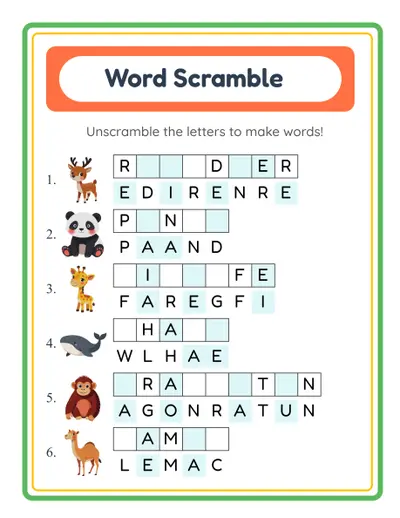
Word Scramble
Create Now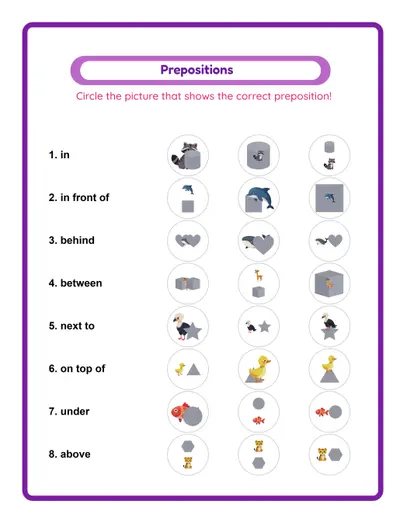
Prepositions
Create Now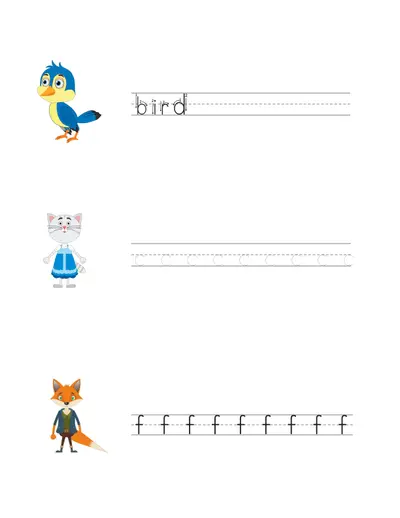
Writing Practice
Create Now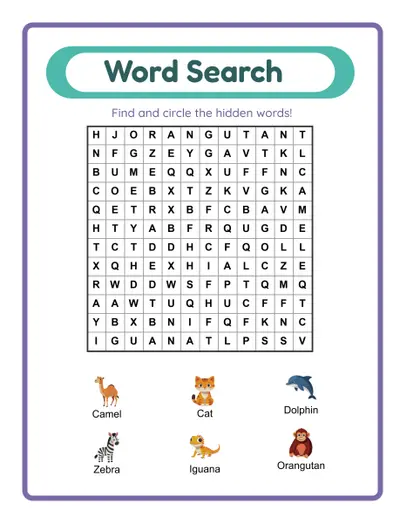
Word Search
Create Now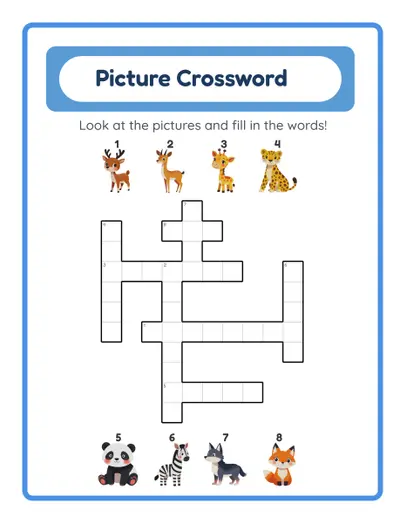
Crossword Puzzles
Create Now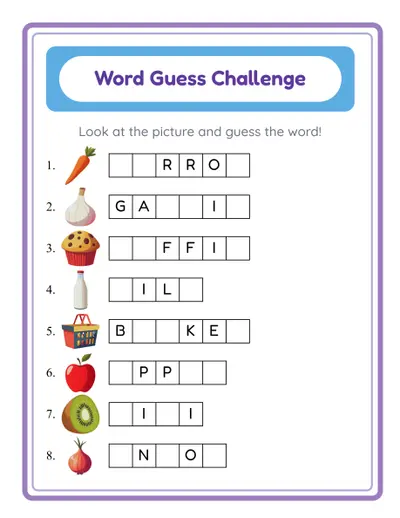
Word Guess
Create Now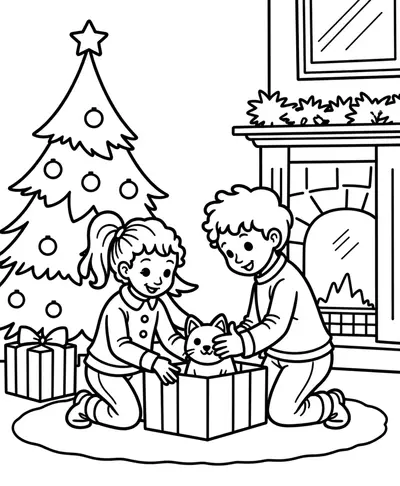
Coloring Pages
Create Now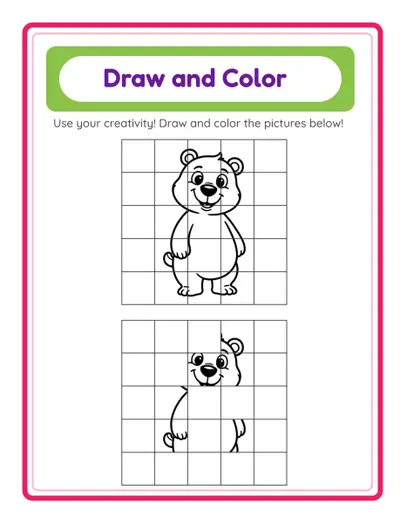
Draw and Color
Create Now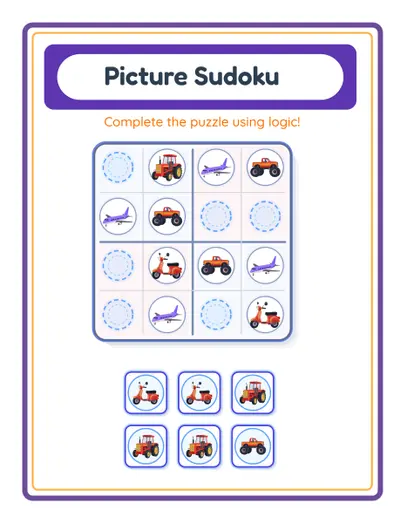
Sudoku Puzzles
Create Now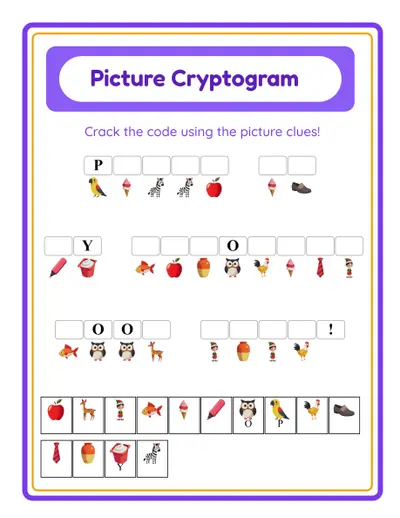
Cryptogram Puzzles
Create Now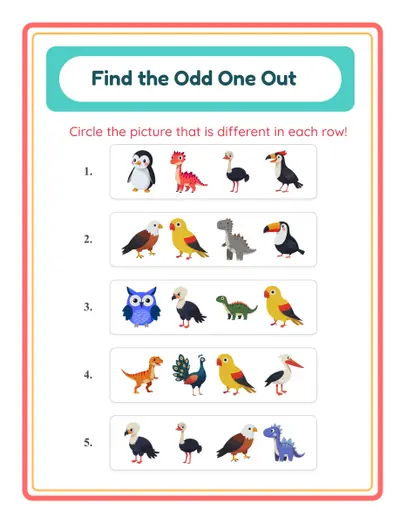
Odd One Out
Create Now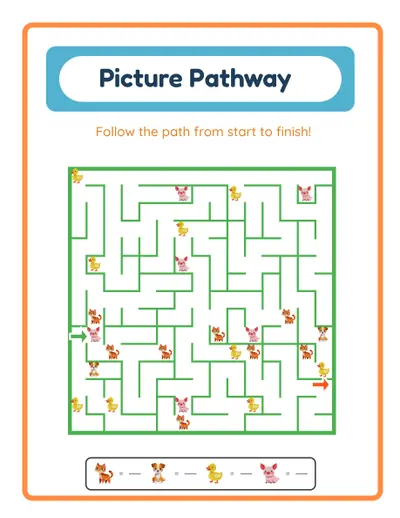
Picture Path
Create Now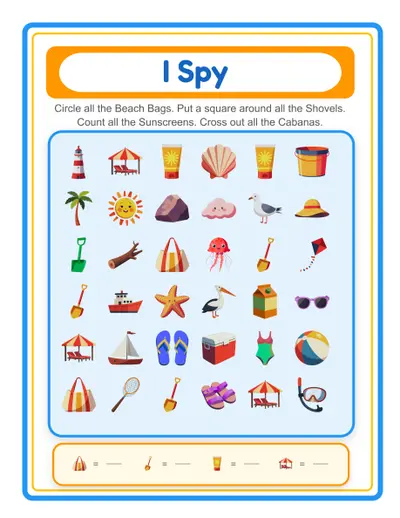
Find and Count
Create Now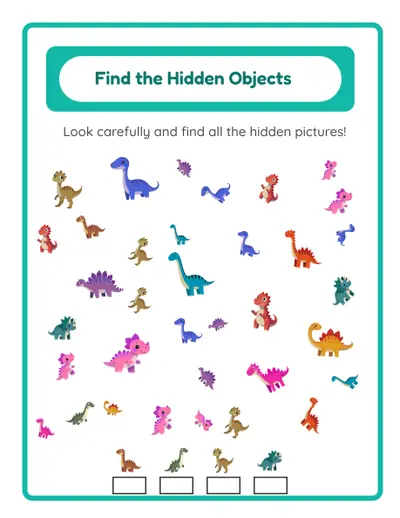
Find Objects
Create Now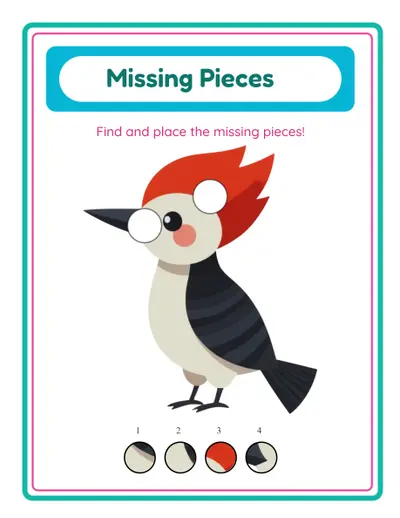
Missing Pieces
Create Now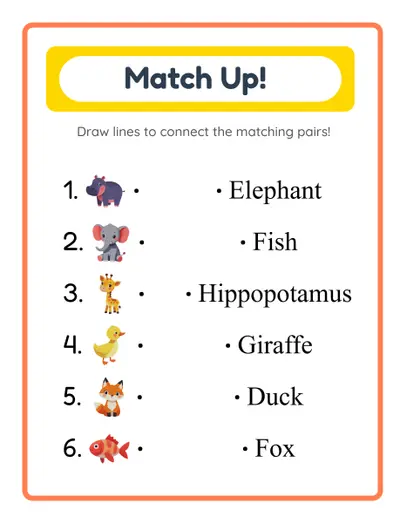
Matching Game
Create Now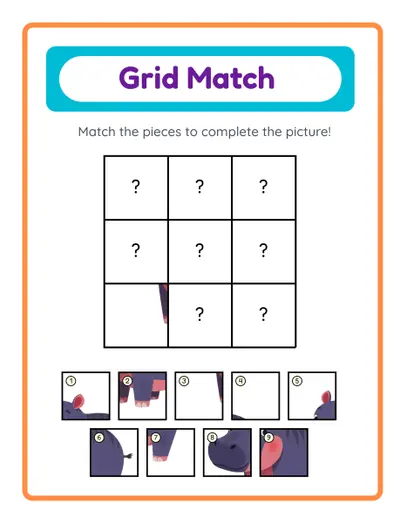
Grid Match
Create Now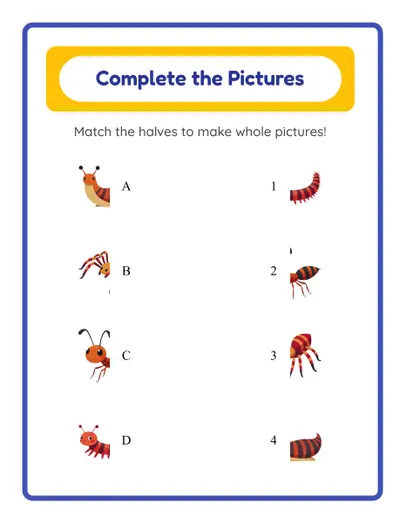
Shadow Match
Create Now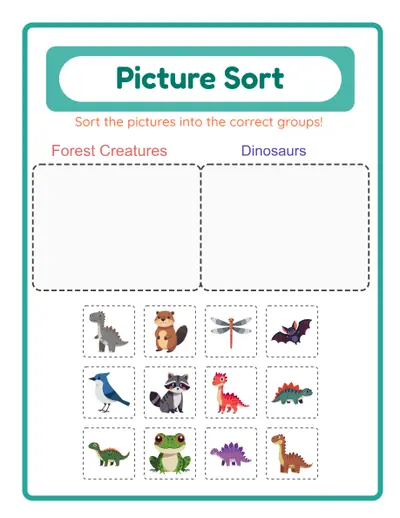
Picture Sort
Create Now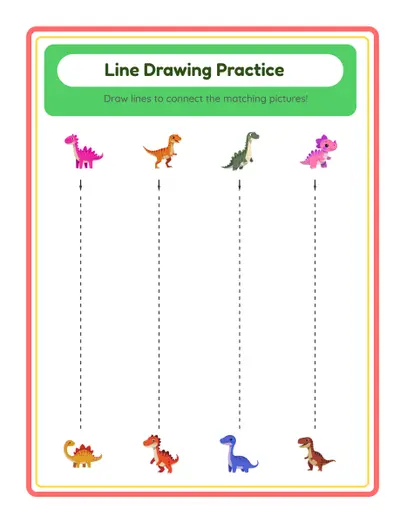
Drawing Lines
Create Now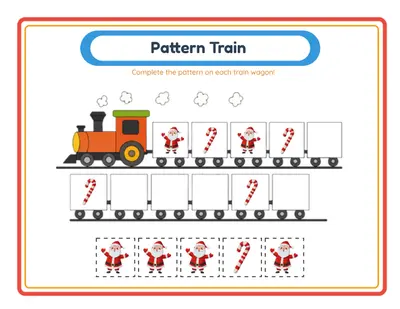
Pattern Train
Create Now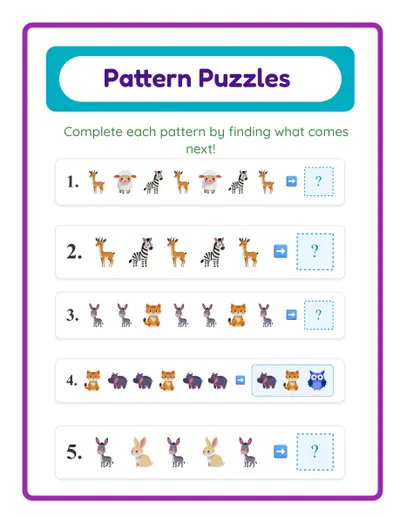
Pattern Recognition
Create Now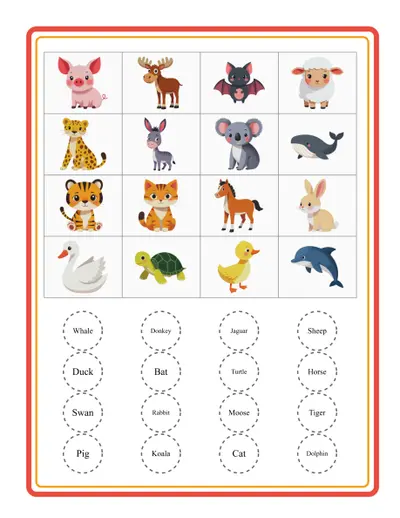
Picture Bingo
Create Now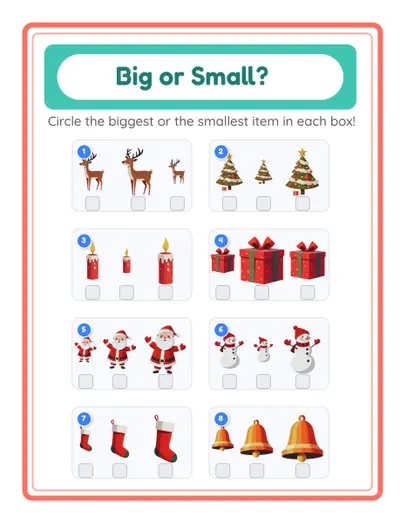
Big and Small
Create Now