Free Forest Worksheets for Kids
Forest worksheets transport learners into the layered world of woodlands, where towering canopies, understory shrubs, and forest floor organisms form one of Earth's most complex ecosystems. Children learn to identify common tree species by leaf shape, bark texture, and seed type, building observation skills that translate directly to outdoor field studies. Ecosystem activities illustrate how decomposers, producers, and consumers depend on one another within the forest food web. Wildlife habitat exercises teach students which animals live in different forest layers, from canopy-dwelling birds to ground-burrowing mammals. Environmental science topics such as deforestation, reforestation, and carbon storage introduce age-appropriate discussions about human impact on woodland habitats. These worksheets combine scientific inquiry with creative tasks like leaf rubbings and animal track sketching, making forest ecology accessible and genuinely engaging for young scientists.
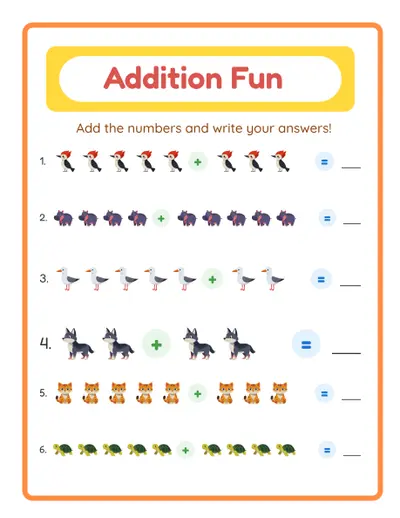
Addition
Create Now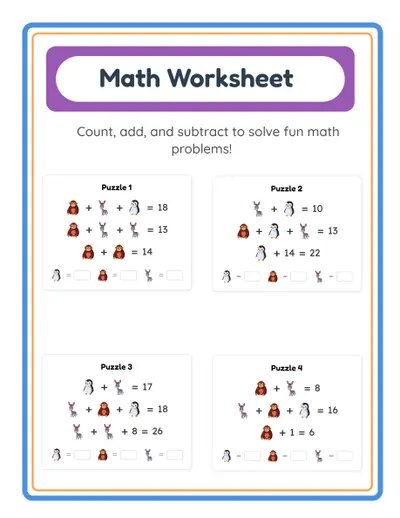
Math
Create Now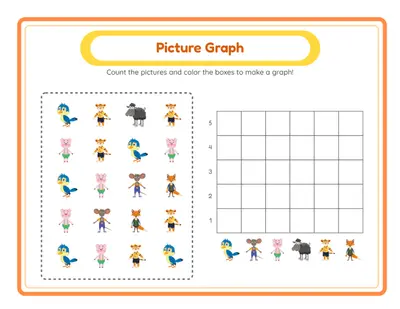
Chart Count
Create Now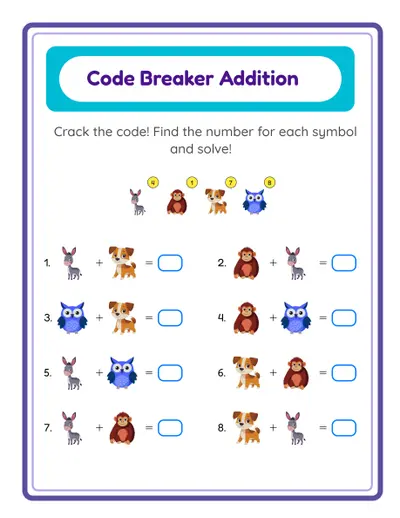
Code Addition
Create Now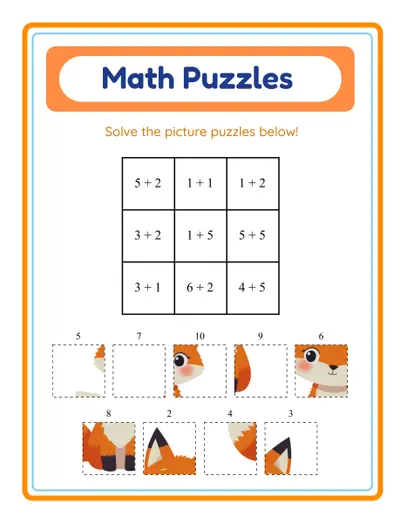
Math Puzzle
Create Now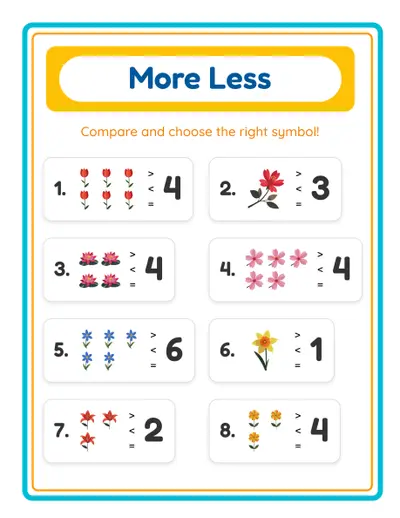
More or Less
Create Now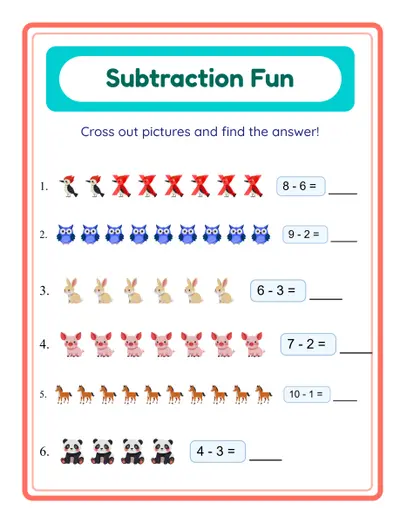
Subtraction
Create Now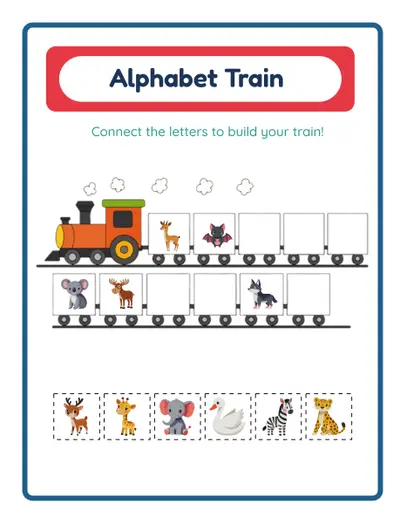
Alphabet Train
Create Now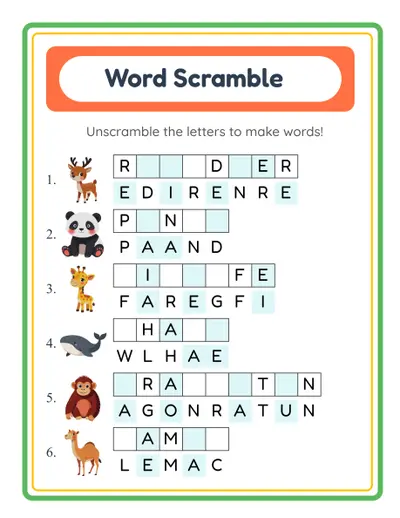
Word Scramble
Create Now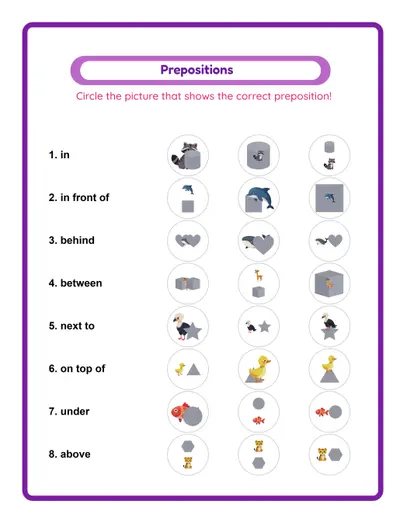
Prepositions
Create Now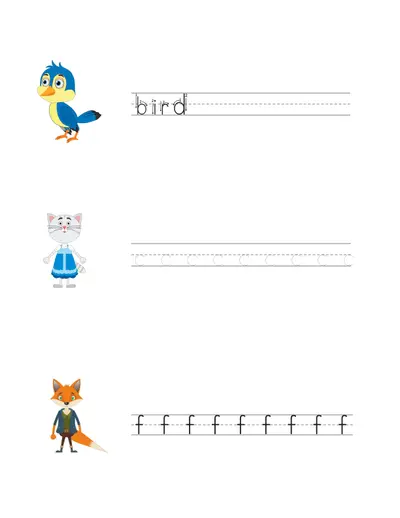
Writing Practice
Create Now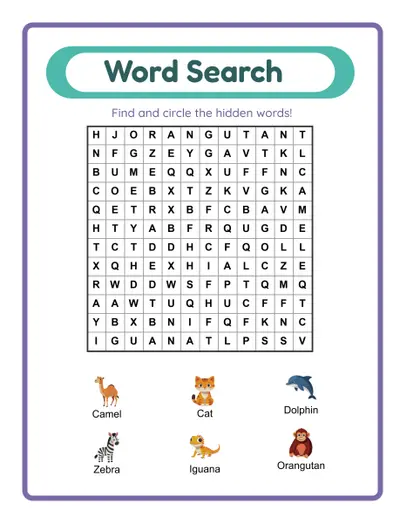
Word Search
Create Now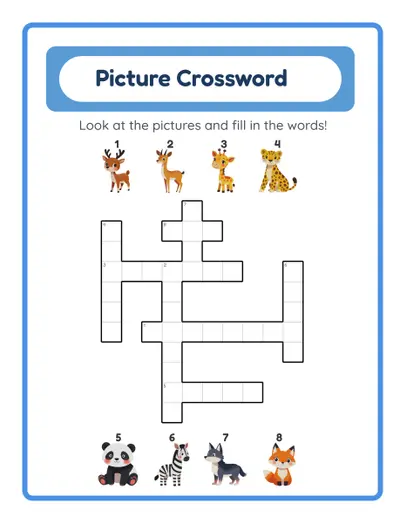
Crossword Puzzles
Create Now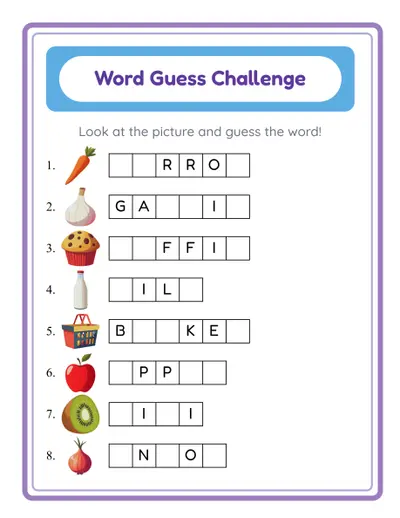
Word Guess
Create Now
Coloring Pages
Create Now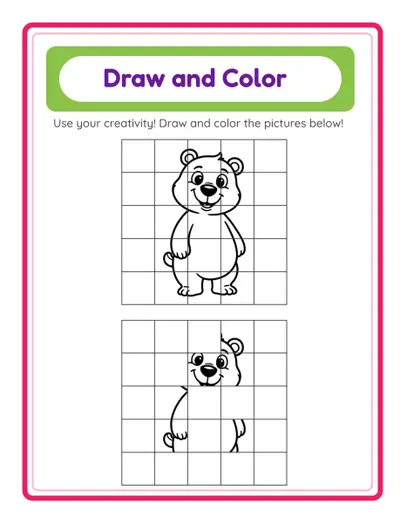
Draw and Color
Create Now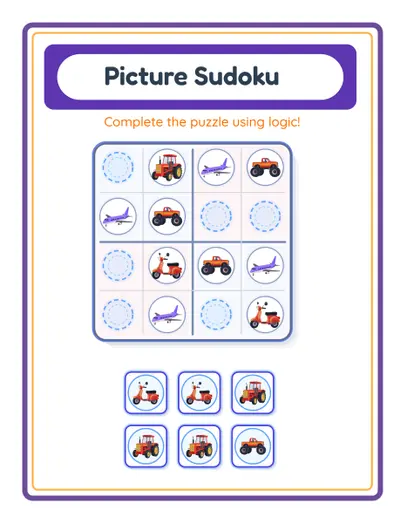
Sudoku Puzzles
Create Now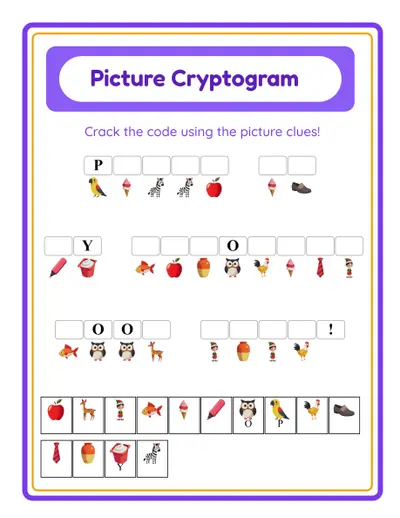
Cryptogram Puzzles
Create Now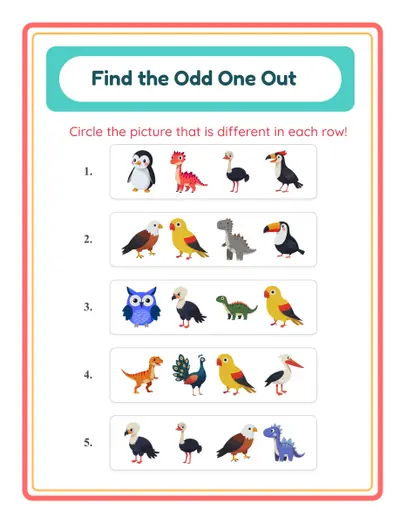
Odd One Out
Create Now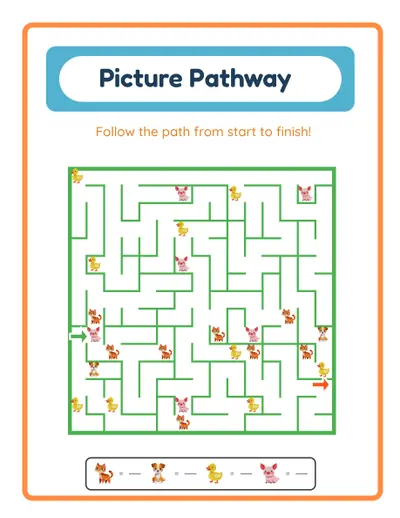
Picture Path
Create Now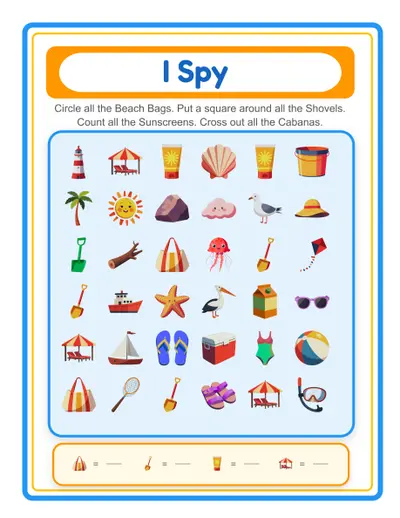
Find and Count
Create Now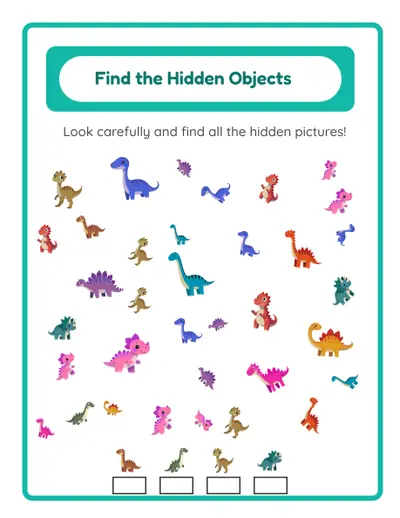
Find Objects
Create Now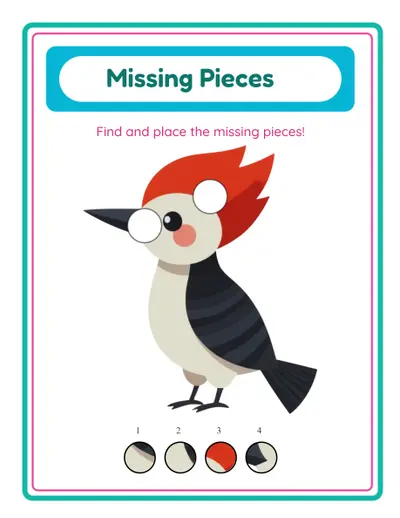
Missing Pieces
Create Now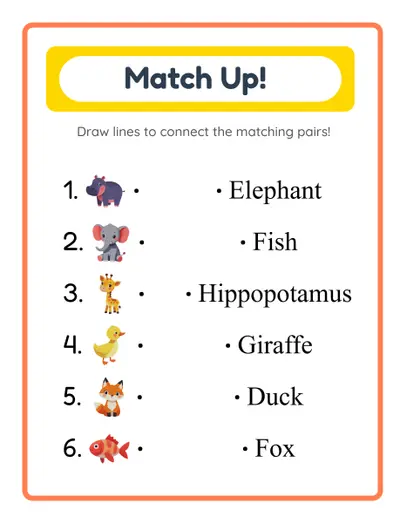
Matching Game
Create Now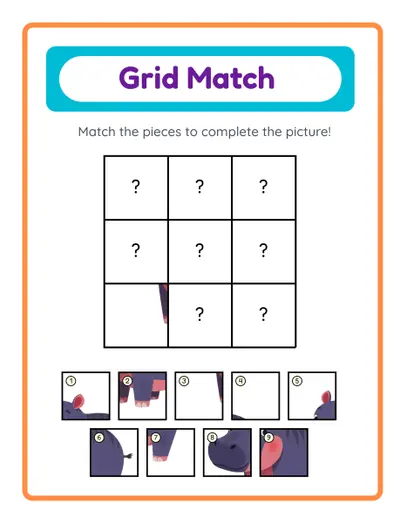
Grid Match
Create Now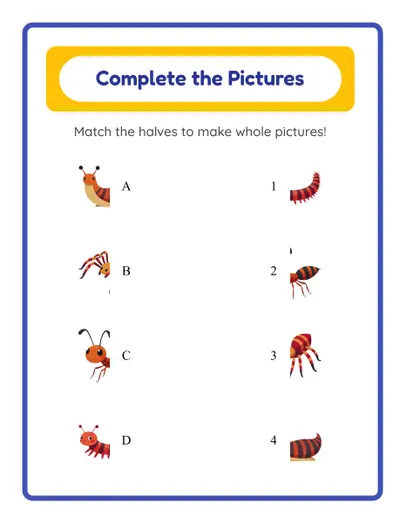
Shadow Match
Create Now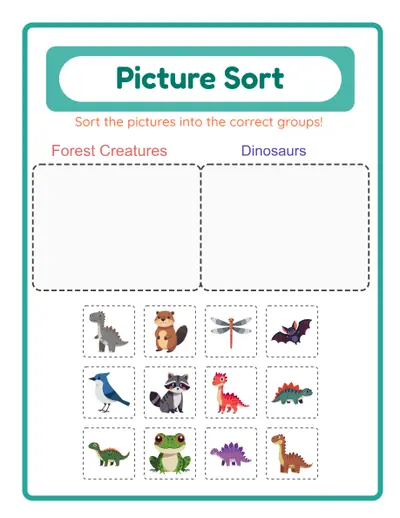
Picture Sort
Create Now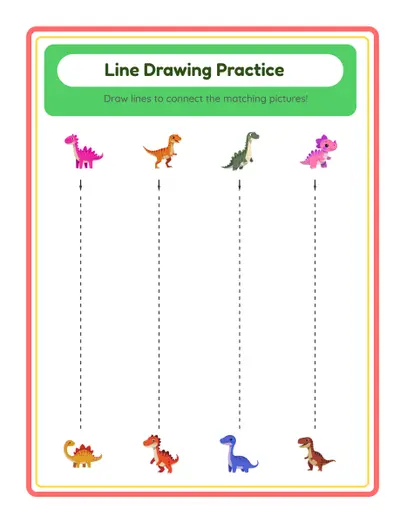
Drawing Lines
Create Now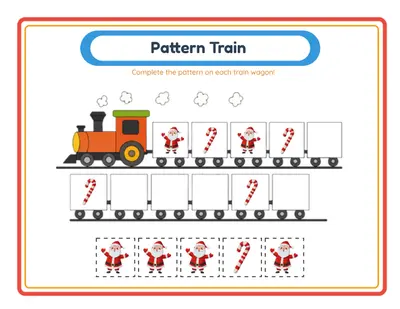
Pattern Train
Create Now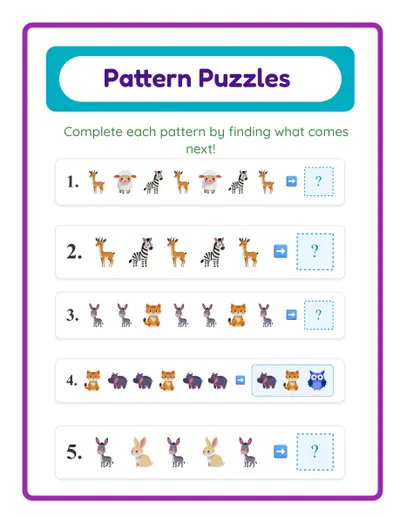
Pattern Recognition
Create Now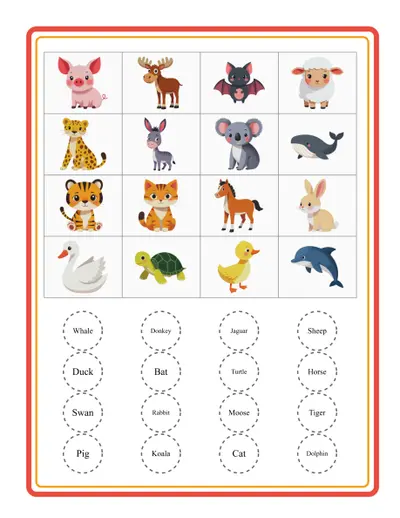
Picture Bingo
Create Now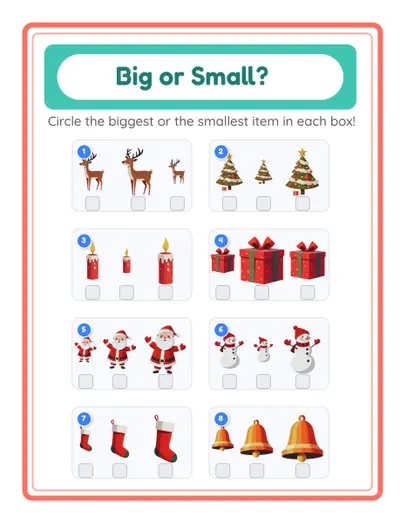
Big and Small
Create Now