Create an Activity Book for Amazon KDP

Mixed-activity books outsell single-format puzzle books on Amazon KDP because buyers perceive more value per page. Instead of 100 word searches, you offer 20 word searches, 20 coloring pages, 20 math worksheets, 20 mazes, and 20 matching activities -- all themed around animals, food, or holidays. This guide walks you through combining 33 different generators into cohesive, professional activity books that stand out in a crowded marketplace. You will learn age targeting, manuscript structure, difficulty progression, and the catalog strategy that turns one book concept into dozens of products.
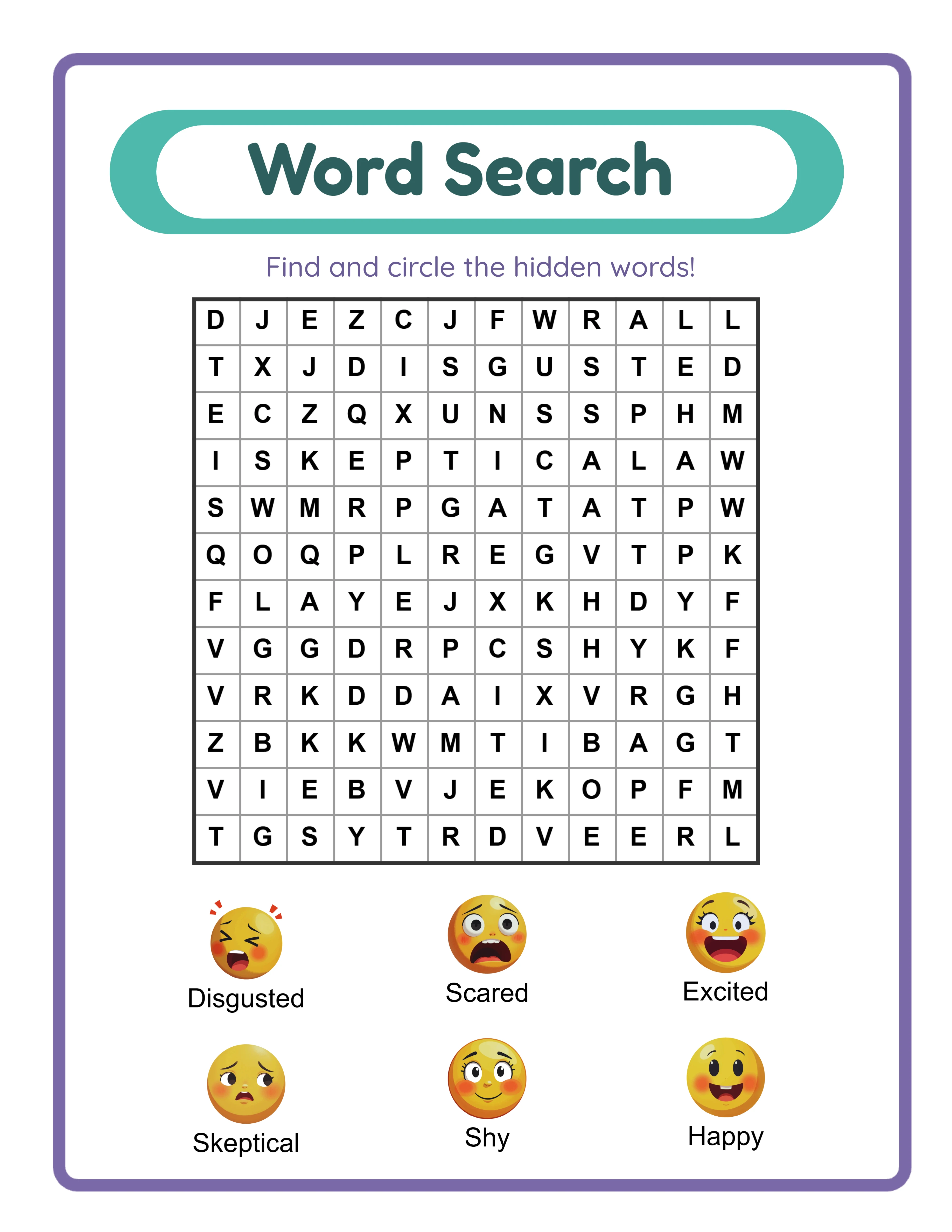
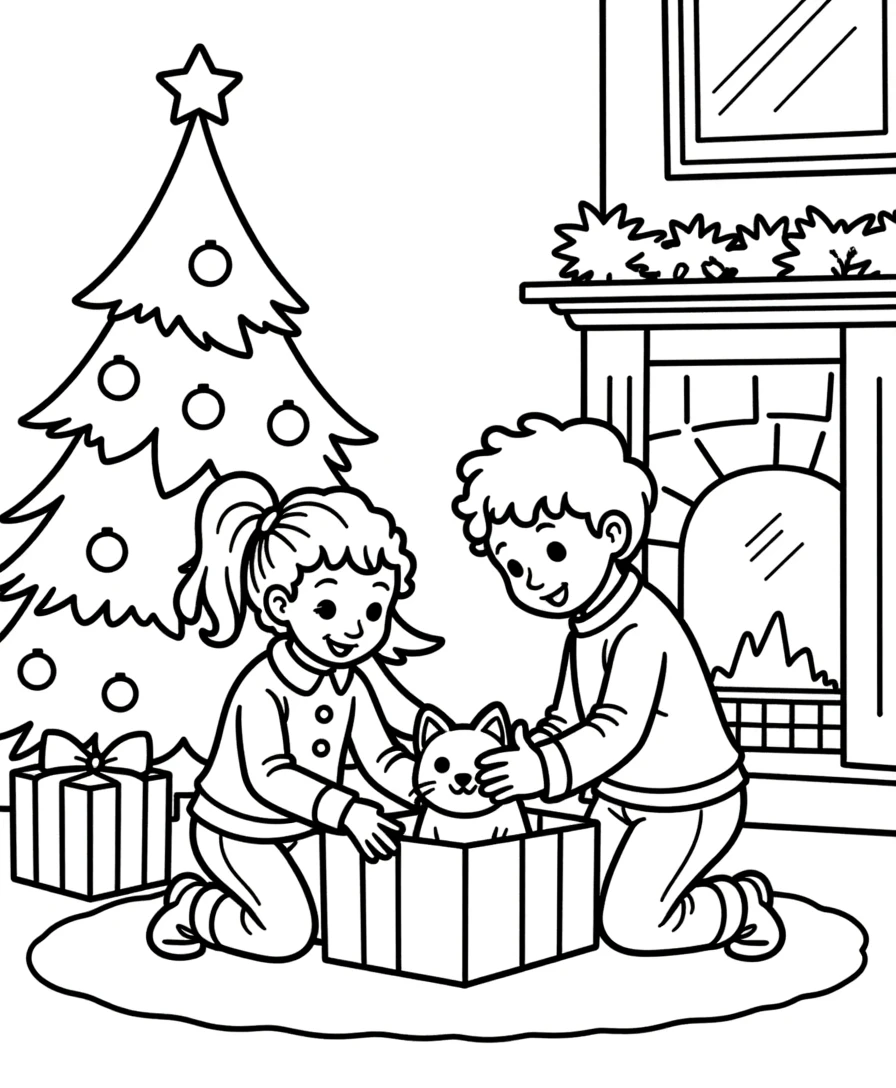
Mixed activity book pages showing coloring, word search, and math activities generated for Amazon KDP

Introduction

Activity books dominate the children's publishing categories on Amazon KDP. Parents, grandparents, and gift buyers search specifically for "activity books" because the variety format promises entertainment that lasts longer than any single puzzle type. A child who gets bored with word searches flips to coloring. When coloring loses its appeal, mazes take over. This built-in variety means higher satisfaction, better reviews, and more repeat purchases from the same buyer. The production challenge with activity books has always been sourcing multiple activity types. Traditional publishers hire separate illustrators for coloring pages, puzzle designers for word searches, and educational content creators for math worksheets. Each specialist adds cost, communication overhead, and production delays. A single activity book might take months to assemble. The LessonCraftStudio platform eliminates this bottleneck entirely. With 33 generators covering coloring, word search, crossword, sudoku, addition, subtraction, multiplication, matching, mazes, drawing, pattern recognition, and more, you produce every page type from a single tool. Every generator draws from the same 104 themed image collections, so your animal-themed activity book maintains visual consistency across all activity types. The economics of activity books on KDP are compelling. A 120-page mixed-activity book with answer keys sells at $7.99 to $9.99. At 60% royalty minus printing costs, you earn $1.00 to $2.50 per sale. Books with variety content tend to sell 3 to 8 copies per day because they appear in more search categories -- "activity book," "puzzle book," "coloring book," and "workbook" all surface the same product. This guide covers the complete workflow: planning your activity mix, generating pages with consistent themes, compiling your manuscript, age-targeting your content, and scaling to a full activity book catalog. Every generator described here is available in the free trial with watermark, so you can build a complete prototype before purchasing a commercial license.
Try It Free with Watermark

Try any generator free with watermark. No signup required.

Tutorial

1

Planning Your Activity Book Content Mix

The first decision is which activity types to include and in what ratio. This depends entirely on your target age group and the keywords you want to rank for on Amazon. For ages 2 to 4 (toddler activity books): Focus on coloring pages (40%), matching activities (20%), drawing line tracing (20%), and simple pattern recognition (20%). Avoid text-heavy activities. Every page should be solvable through visual recognition alone. For ages 4 to 8 (kids activity books): This is the broadest and most profitable age range. Include word search (20%), coloring (20%), addition or subtraction (15%), mazes (15%), matching (15%), and one specialty type like sudoku or crossword (15%). This mix hits every major search keyword. For ages 8 to 12 (tween activity books): Increase difficulty and reduce coloring. Word search (25%), crossword (20%), math puzzles (20%), cryptograms (15%), sudoku (10%), and word scramble (10%). These buyers want genuine challenge, not coloring pages. For adults (adult activity books): Focus on puzzle variety. Word search (25%), crossword (25%), sudoku (20%), cryptograms (15%), and word scramble (15%). Adult activity books sell well as gift items, travel companions, and stress-relief products. Once you choose your mix, calculate page counts. For a 120-page book with 6 activity types at roughly equal distribution, you need 20 pages of each type. Add answer key pages for puzzle types (word search, crossword, sudoku, cryptograms) and you reach approximately 160 to 180 total pages.
2

Choosing a Theme for Visual Consistency

The difference between a professional activity book and a random collection of worksheets is thematic coherence. Every page in your book should share a visual theme. The 104 themed image collections available across all 33 generators make this straightforward. Choose one theme -- say "animals" -- and generate every activity type using that theme. Your coloring pages feature animal outlines. Your word searches use animal vocabulary. Your matching activities pair animal images. Your math worksheets use animal illustrations as counting elements. Top-performing themes on Amazon KDP: Animals: The broadest appeal. Farm animals for younger kids, ocean animals for variety, jungle animals for adventure themes. Animals dominate kids activity book sales year-round. Food: Surprisingly popular. Fruit, vegetables, baked goods, and kitchen items appeal to preschool and early elementary buyers. Parents appreciate the educational overlap with nutrition lessons. Vehicles: Strong performer for ages 3 to 7. Cars, trucks, trains, airplanes, and construction equipment. This theme has fewer competitors than animals but equally strong demand. Holidays: Seasonal themes spike dramatically. Christmas activity books sell 10x their normal volume from October through December. Halloween, Easter, and Valentine's Day each create smaller but reliable demand windows. Nature: Trees, flowers, weather, and seasons appeal to homeschool families and eco-conscious buyers. Nature themes work across all age ranges. Select your theme before generating any pages. This ensures every generator pulls from the same visual library, creating the consistent look that buyers expect from a professional activity book.
3

Generating Coloring Pages for Your Activity Book

Coloring pages serve as the visual anchor of any activity book. They break up puzzle-heavy sections, provide a creative outlet, and appeal to buyers who might not purchase a pure puzzle book. Open the coloring page generator and select your chosen theme. The generator converts themed images into clean black-and-white outlines suitable for coloring. For activity books, use portrait orientation and standard page sizing. Configuration for KDP coloring pages: Page size: Match your book trim size. For 8.5 x 11 activity books, use US Letter. For 8 x 10, adjust accordingly. Image density: For ages 2 to 4, use 1 to 3 large images per page with thick outlines. For ages 4 to 8, use 4 to 6 medium images or 1 detailed full-page image. For ages 8 and up, use detailed compositions with finer lines. Output format: Export as 300 DPI PDF. This meets KDP's print quality requirements. Generate your target number of coloring pages (typically 15 to 25 for a mixed-activity book). Preview each page to ensure outlines are clean and images are recognizable. Export all pages individually -- you will merge them with other activity types later. Pro tip: Place coloring pages between puzzle sections in your final manuscript. This creates natural breaks that improve the reader experience and encourages buyers to describe your book as having "great variety" in reviews.
4

Creating Word Search and Puzzle Pages

Word search puzzles are the backbone of most activity books. They appeal to every age group, fill pages efficiently, and generate their own answer keys automatically. Open the word search generator and configure for your target age: Ages 4 to 6: 8x8 or 10x10 grid, 5 to 8 words, horizontal and vertical only. Large clear font. Ages 6 to 8: 12x12 grid, 8 to 12 words, horizontal, vertical, and diagonal. Ages 8 to 12: 15x15 grid, 12 to 15 words, all directions including reverse. Adults: 20x20 grid, 15 to 20 words, all directions. Use the same theme you selected for coloring pages. The generator pulls vocabulary from the themed word sets, so your animal activity book produces animal word searches with words like elephant, giraffe, penguin, and dolphin. Generate each puzzle individually. For a mixed-activity book, you typically need 15 to 25 word searches plus their answer keys. Export each puzzle and answer key as separate PDFs. For crossword puzzles, switch to the crossword generator. Picture crosswords use image clues instead of text clues, making them accessible to pre-readers and visually distinctive on Amazon. Generate 10 to 15 crosswords with image clues from the same themed collection. For sudoku, the picture sudoku generator creates visual logic puzzles using themed images instead of numbers. A 4x4 picture sudoku is perfect for ages 4 to 7. A 6x6 grid suits ages 7 to 10. Generate 10 to 15 picture sudoku puzzles with answer keys.
5

Adding Math and Educational Activities

Math activities add educational value that parents actively search for. An activity book described as "fun AND educational" outsells one described as just "fun" because parents feel better about the purchase. The addition generator creates themed math worksheets where children count images to solve problems. Instead of abstract "3 + 4 = ?", the worksheet shows 3 cats plus 4 cats with visual counting cues. This image-based approach works for pre-readers and makes the math genuinely engaging. For ages 3 to 5: Use the addition generator with single-digit problems (1 to 5) and large themed images. Include 5 to 8 problems per page. The visual counting approach means children who cannot read numbers can still solve the problems. For ages 5 to 7: Mix addition and subtraction. Use numbers up to 20. Include 8 to 10 problems per page with smaller images. For ages 7 to 10: Add multiplication tables. The multiplication generator creates practice sheets with themed illustrations. Include 10 to 12 problems per page. Matching activities complement math pages well. The matching generator creates draw-a-line worksheets where children connect related images -- baby animals to adult animals, fruits to their colors, vehicles to their habitats. These develop categorization skills while maintaining the visual theme. Pattern recognition worksheets round out the educational section. The pattern generator creates "what comes next" sequences using themed images. Children identify the repeating pattern and select the correct next image. This develops logical thinking skills that parents value. Generate 10 to 20 math and educational pages depending on your target age and activity mix.
6

Including Maze and Fine Motor Activities

Mazes are the activity type that children request by name. Including mazes in your activity book significantly broadens its appeal and helps it appear in "maze book" keyword searches on Amazon. The picture path generator creates themed mazes where children navigate from a start image to an end image. A farm animal activity book might feature a maze from the barn to the cow, or from the chicken to the nest. These themed mazes are more engaging than abstract geometric mazes. For ages 2 to 4: Simple path mazes with wide corridors and few dead ends. The goal is tracing practice as much as maze solving. For ages 4 to 7: Medium complexity with multiple path options and 3 to 5 dead ends. Include themed start and end images. For ages 7 and up: Complex mazes with narrow paths, many dead ends, and multiple solution paths. These provide genuine challenge. The drawing lines generator creates pre-writing activities perfect for younger activity books (ages 2 to 5). Children trace horizontal, vertical, diagonal, and curved lines between themed images. These activities develop the fine motor control needed for handwriting while keeping children engaged with familiar themed pictures. The draw and color generator combines tracing with creativity. Children copy an image from a reference grid into an empty grid, then color their drawing. This activity type appeals to artistic children and adds a unique element that competitors rarely include. Generate 10 to 15 maze and fine motor pages. Place them throughout the book to provide physical variety -- after several pages of circling words or writing numbers, a maze offers a welcome change of pace.
7

Compiling the Activity Book Manuscript

With all your activity pages generated as individual PDFs, the next step is assembling them into a professional manuscript that Amazon KDP will accept. Optimal page order for a mixed-activity book: Pages 1-2: Title page and copyright notice Pages 3-4: Table of contents listing each activity section Pages 5-6: "How to use this book" instructions for parents Pages 7-106: Activity pages (mixed, themed sections) Pages 107-140: Answer keys for all puzzle types Pages 141-142: About the publisher page and catalog listing Arranging activity pages within the book matters. Do not group all word searches together followed by all coloring pages. Instead, create themed mini-sections: Section 1 (pages 7-26): Farm Animals -- 2 coloring pages, 3 word searches, 2 addition worksheets, 2 matching activities, 2 mazes, 2 pattern worksheets, 2 crosswords, 2 sudoku, 1 drawing activity Section 2 (pages 27-46): Ocean Animals -- same activity mix Section 3 (pages 47-66): Jungle Animals -- same activity mix This sectional approach creates natural chapters and lets you list "50+ themes" or "5 themed sections" in your Amazon description. Buyers perceive themed sections as more organized and professional than random activity pages. Use a PDF merging tool like PDFsam Basic, Sejda, or Adobe Acrobat to combine all individual PDFs into one manuscript. Verify the final PDF: All pages are the same trim size No blank pages appear between activities Answer keys reference the correct puzzle page numbers Margins meet KDP requirements throughout No watermarks appear on any page -- use commercially licensed exports only File size is under 650 MB
8

Age Targeting and Amazon Category Selection

Age targeting is the single most important strategic decision for activity book sales on Amazon. The right age range in your title and categories determines which buyers see your book. High-performing age ranges for activity books on KDP: "Ages 2-4" or "Toddler": Lowest competition, strong demand from parents of toddlers. Focus on coloring, tracing, matching. "Ages 3-5" or "Preschool": The highest-demand age range for activity books. Parents actively search for "preschool activity book" as a keyword. Include a mix of simple puzzles, coloring, and pre-writing activities. "Ages 4-8" or "Kids": The broadest profitable range. This captures preschool through early elementary. Include a wide variety of activity types at easy to medium difficulty. "Ages 6-10": Targets school-age children. Focus on word search, crossword, math, and logic puzzles. Less coloring, more problem-solving. "Ages 8-12" or "Tweens": Challenge-focused. Harder puzzles, cryptograms, advanced sudoku. This age range has less competition but also less search volume. Amazon category selection: Select two categories for your book. Primary options for activity books: - Children's Activity Books - Children's Puzzle Books - Children's Coloring Books (if coloring is a major component) - Children's Education & Reference Your 7 keyword slots should target the specific age range and activity types: - "activity book for kids ages 4-8" - "mixed puzzle book children" - "coloring and word search book kids" - "preschool workbook activities" - "animal activity book" - "kids puzzle workbook with answers" - "children activity pages variety"
Platform Tips

Formatting Mixed-Activity Books for KDP Print Quality

Activity books present unique formatting challenges because different activity types have different visual requirements. Here is how to handle each type within one manuscript. Coloring pages: Use high-contrast black outlines on white backgrounds. Line weight should be at least 2pt for ages 2 to 5, and 1pt for ages 6 and up. Ensure coloring areas are large enough for crayons (not just pencils) for younger age groups. Word search grids: Use a monospaced font for the letter grid so columns align perfectly. Grid lines should be light gray, not black, so the word list is more visually prominent. Include the word list below or beside the grid. Math worksheets: Number fonts should be large and clear. For ages 3 to 6, use at least 24pt font for numbers. Include adequate writing space for answers -- children write larger than adults. Mazes: Path widths should accommodate a pencil line with room to spare. For ages 2 to 4, paths should be at least 0.5 inches wide. For ages 5 and up, 0.25 inches is sufficient. Set your KDP interior to "black and white" unless your activity pages include color elements. Black and white interiors have significantly lower printing costs, which directly increases your royalty per sale. Select "no bleed" for the interior. Activity book content does not extend to page edges. This simplifies formatting and reduces the chance of content being cut off during printing. Always order an author proof copy before advertising. Print quality varies between what you see on screen and what comes off the press. Check that grid lines, fine outlines, and small text print cleanly.

Cover Design Strategy for Activity Books

Activity book covers must communicate variety. A buyer glancing at your thumbnail needs to understand this is a mixed-format book, not a single activity type. Effective activity book cover elements: Show multiple activity types on the cover. Include a small word search grid, a coloring page preview, a math problem, and a maze in a collage layout. This visually communicates "variety" faster than any title can. State the activity count: "100+ Activities" or "6 Activity Types" gives buyers a concrete sense of value. Include the age range prominently. "Ages 4-8" in a badge or banner on the cover helps parents self-select. List the activity types. A bullet list on the cover -- "Word Search, Coloring, Math, Mazes, Matching, Sudoku" -- tells buyers exactly what is inside. Use bright, engaging colors. Activity books compete in a colorful marketplace. Muted or minimalist covers underperform. Use your themed images in full color on the cover even if the interior is black and white. Back cover: Include a longer description, a larger activity preview collage, the complete activity type list with page counts, and the age recommendation. Leave space for the ISBN barcode. Spine text: For books over 100 pages, include the title and age range on the spine. This helps your book stand out on physical bookshelves and in Amazon's "Look Inside" feature.

Using Amazon A+ Content and Author Pages

Amazon offers tools beyond the basic listing that help activity book publishers increase conversion rates. Author page: Create an Amazon Author Central account. Upload a professional photo or logo, write a publisher bio focused on your activity book expertise, and link all your books. An author page with a catalog of 10 or more activity books signals credibility and encourages buyers to explore your full product line. Editorial reviews: You can add editorial reviews to your listing. If you receive genuine positive feedback from buyers, parents, or educators, add their comments (with permission) as editorial reviews. Never fabricate reviews -- Amazon detects and penalizes fake social proof. Book description formatting: Use HTML in your KDP book description to create scannable layouts. Bold the activity types. Use bullet points for feature lists. Include the exact page count, theme description, and age range. A well-formatted description converts browsers into buyers. Series page: Group your activity books into an Amazon series. "Animal Activity Adventures Vol. 1," "Vol. 2," and "Vol. 3" appear as a connected series on Amazon. Buyers who enjoy Volume 1 see Volumes 2 and 3 immediately, driving catalog sales. Look Inside: Amazon's "Look Inside" feature lets buyers preview pages. Ensure your first 10 to 15 pages include your best activity samples -- a mix of coloring, puzzles, and educational pages. Do not waste the preview on front matter alone.

Monetization Strategies

Revenue Projections for Activity Book Catalogs

Activity books typically earn higher per-sale royalties than single-format puzzle books because their perceived value supports higher pricing. Single activity book performance: A well-targeted activity book sells 2 to 8 copies per day in its first year on Amazon. At $8.99 list price with 60% royalty on a 160-page book, your royalty after printing costs is approximately $1.20 to $1.80 per sale. That translates to $72 to $432 per month per book. Catalog scaling: Each activity book you publish adds incremental daily revenue. A 10-book catalog averaging 3 sales per day per book at $1.50 royalty earns $45 per day, or roughly $1,350 per month. Age range multiplication: One animal theme generates separate books for ages 2-4, 4-8, and 8-12. Three books from one generation session. Each targets different keywords and different buyer segments with zero overlap. Theme multiplication: The 104 themed image collections mean 104 potential activity books per age range. Animals, food, vehicles, holidays, nature, sports -- each theme is a separate product. Language expansion: Publish each activity book in all 11 supported languages. Word search, crossword, and vocabulary-based activities translate directly. Math activities are language-neutral. Coloring pages need no translation at all. First-year realistic target: A publisher who creates 10 activity books (across themes and age ranges) in the first 3 months can reasonably expect $500 to $2,000 per month in steady royalties by month 6. This assumes basic Amazon Ads spend and keyword optimization.

Bundle and Series Pricing Strategy

Activity books lend themselves to bundling strategies that increase average order value. Volume series: Publish "Animal Activity Book Vol. 1" through "Vol. 5," each with different sub-themes (farm, ocean, jungle, pets, birds). Price each volume at $7.99. Buyers who enjoy Vol. 1 often purchase the entire series. Five volumes at 3 sales per day total earn more than one mega-book at the same rate. Age progression series: Create "Toddler Activity Book (Ages 2-3)," "Preschool Activity Book (Ages 3-5)," and "Kids Activity Book (Ages 5-7)" in the same theme. Parents buy the current age level, then purchase the next level as the child grows. Seasonal series: Publish holiday activity books for Christmas, Halloween, Easter, Valentine's Day, and Thanksgiving. Each holiday drives concentrated demand. Price seasonal books at $8.99 to $9.99 because buyers have specific gifting timelines and are less price-sensitive. Mega-book pricing: A 300-page "Ultimate Activity Book" at $12.99 to $14.99 targets buyers looking for maximum value. The higher price point earns a higher absolute royalty despite the increased printing costs. Position mega-books as gift items. Competitive pricing analysis: Check the top 20 activity books in your target age range on Amazon. Note their page counts, prices, and review counts. Price within 10% of the average for books with similar page counts. Undercutting on price signals lower quality to many buyers.

Marketing Activity Books Beyond Amazon Search

Amazon search is the primary sales driver for KDP activity books, but external traffic sources can accelerate your catalog growth. Pinterest: Create pins showing individual activity pages from your book. Parents actively search Pinterest for "kids activity pages," "printable worksheets," and "activity book ideas." Each pin links to your Amazon listing. Pinterest traffic converts well for children's educational products. Instagram: Post activity page previews as carousel posts. Tag with hashtags like #activitybook, #kidsactivities, #homeschool, and #printableactivities. Build a following of parents who become repeat buyers as you publish new books. Facebook groups: Join groups for homeschooling parents, early childhood educators, and KDP self-publishers. Share genuinely helpful activity tips (not direct sales pitches) and mention your books when relevant. Amazon Ads: Start with Sponsored Products automatic targeting at $5 per day. After 2 weeks, review the search term report. Move high-converting terms to manual campaigns with exact match. Typical ACoS (Advertising Cost of Sales) for activity books is 30% to 50%. Email list: Create a simple landing page offering a printable sample activity pack (using the free trial with watermark as a preview). Collect email addresses and notify subscribers when you publish new books. Even a small list of 500 engaged subscribers generates meaningful launch-day sales. Gift guide outreach: Contact mommy bloggers and parenting websites about including your activity book in their gift guide roundups. Activity books are a natural fit for "best gifts for kids" and "stocking stuffer" articles.

Examples

Complete Blueprint: Animal Activity Book for Ages 4-8

Here is a complete, actionable blueprint for an activity book you can create and publish this week. Book concept: "Animal Activity Book for Kids Ages 4-8: Word Search, Coloring, Math, Mazes & More -- 100+ Activities with Answer Keys" Specifications: - Trim size: 8.5 x 11 inches - Page count: 180 pages (6 front matter + 120 activity pages + 50 answer keys + 4 back matter) - Interior: Black and white, no bleed - Activity mix: 25 coloring pages, 20 word searches, 15 addition worksheets, 15 mazes, 15 matching activities, 15 pattern worksheets, 15 picture sudoku Generation workflow: 1. Open coloring generator, select "Animals" theme, generate 25 pages in portrait orientation 2. Open word search generator, select "Animals" theme, set 10x10 grid, generate 20 puzzles with answer keys 3. Open addition generator, select "Animals" theme, generate 15 single-digit worksheets 4. Open picture path generator, select "Animals" theme, generate 15 mazes 5. Open matching generator, select "Animals" theme, generate 15 draw-a-line worksheets 6. Open pattern generator, select "Animals" theme, generate 15 "what comes next" pages 7. Open picture sudoku generator, select "Animals" theme, generate 15 easy 4x4 puzzles with answer keys Compile all pages into themed sections. Merge into single manuscript PDF. Estimated production time: 6 to 8 hours Pricing: $8.99 Estimated monthly revenue: $90 to $360 (at 3 to 8 copies per day) Break-even: Within 2 to 3 weeks of publication

Complete Blueprint: Holiday Activity Book Series

This blueprint creates four seasonal activity books from one production workflow. Book 1: "Christmas Activity Book for Kids Ages 3-6: 80+ Holiday Activities" Book 2: "Halloween Activity Book for Kids Ages 3-6: 80+ Spooky Activities" Book 3: "Easter Activity Book for Kids Ages 3-6: 80+ Spring Activities" Book 4: "Valentine's Day Activity Book for Kids Ages 3-6: 80+ Heart Activities" Each book specifications: - Trim size: 8.5 x 11 inches - Page count: 140 pages (80 activities + 40 answer keys + 20 front/back matter) - Activity types: 20 coloring, 15 word search, 10 addition, 10 mazes, 10 matching, 10 pattern, 5 picture sudoku - Interior: Black and white, no bleed Production strategy: Generate all four books in a single focused week. Each book takes 5 to 7 hours. Publish all four and let them sit dormant until their respective seasons approach. Seasonal revenue pattern: - Christmas book: 1 copy per day Jan-Sep, 8-15 copies per day Oct-Dec - Halloween book: 0.5 copies per day Jan-Aug, 5-10 copies per day Sep-Oct - Easter book: 0.5 copies per day except 3-8 copies per day Feb-Apr - Valentine's book: 0.5 copies per day except 3-6 copies per day Jan-Feb Combined annual revenue estimate at $7.99 per book: $2,400 to $6,000 The key insight: seasonal books sell year after year. You invest production time once and earn recurring seasonal royalties indefinitely. After year one, these four books require zero additional effort.

Sample Worksheets

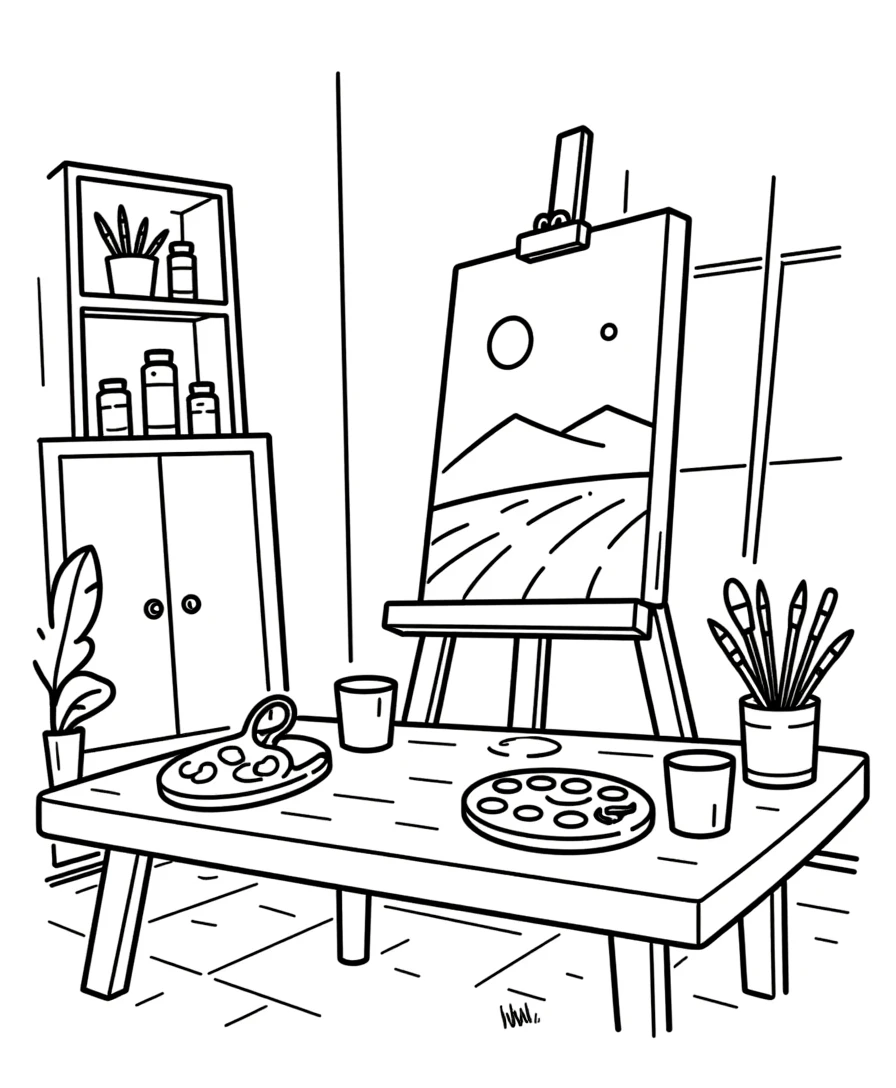
Themed coloring page for KDP activity book interior
Coloring pages provide creative variety between puzzle sections in mixed-activity books
Word search puzzle formatted for activity book manuscript
Word search puzzles with themed vocabulary and automatic answer keys

Theme Images

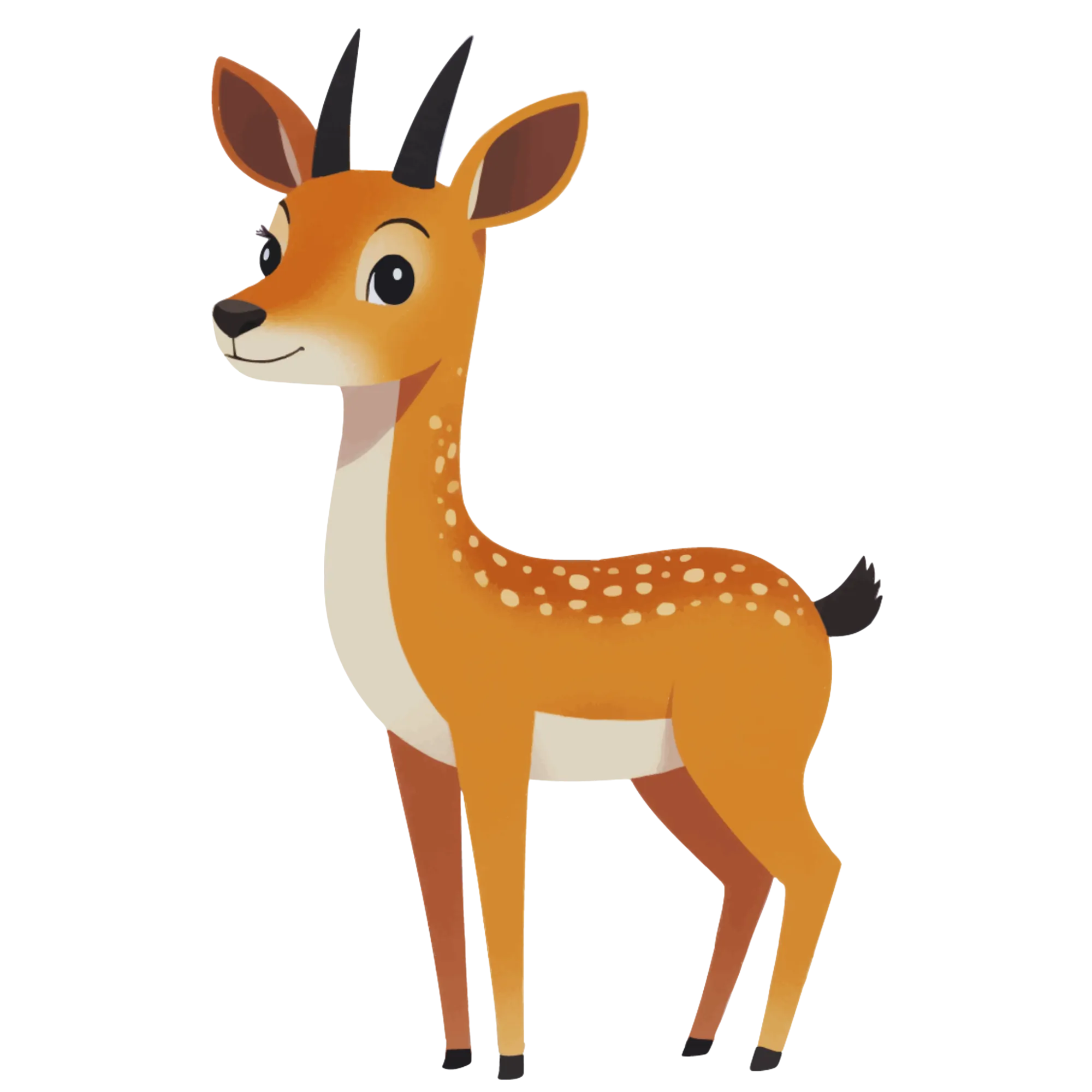
Antelope -- themed educational image
Antelope
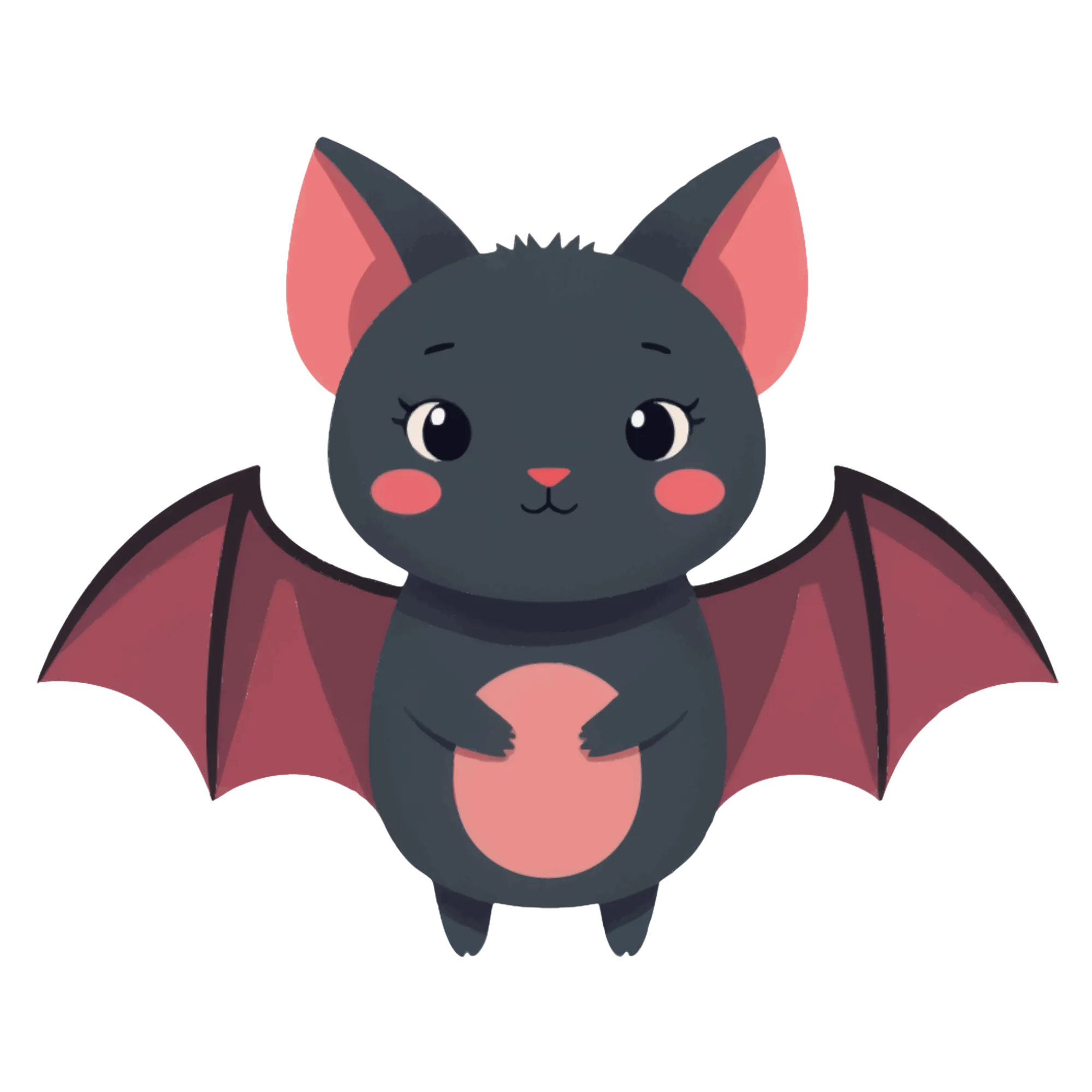
Bat -- themed educational image
Bat
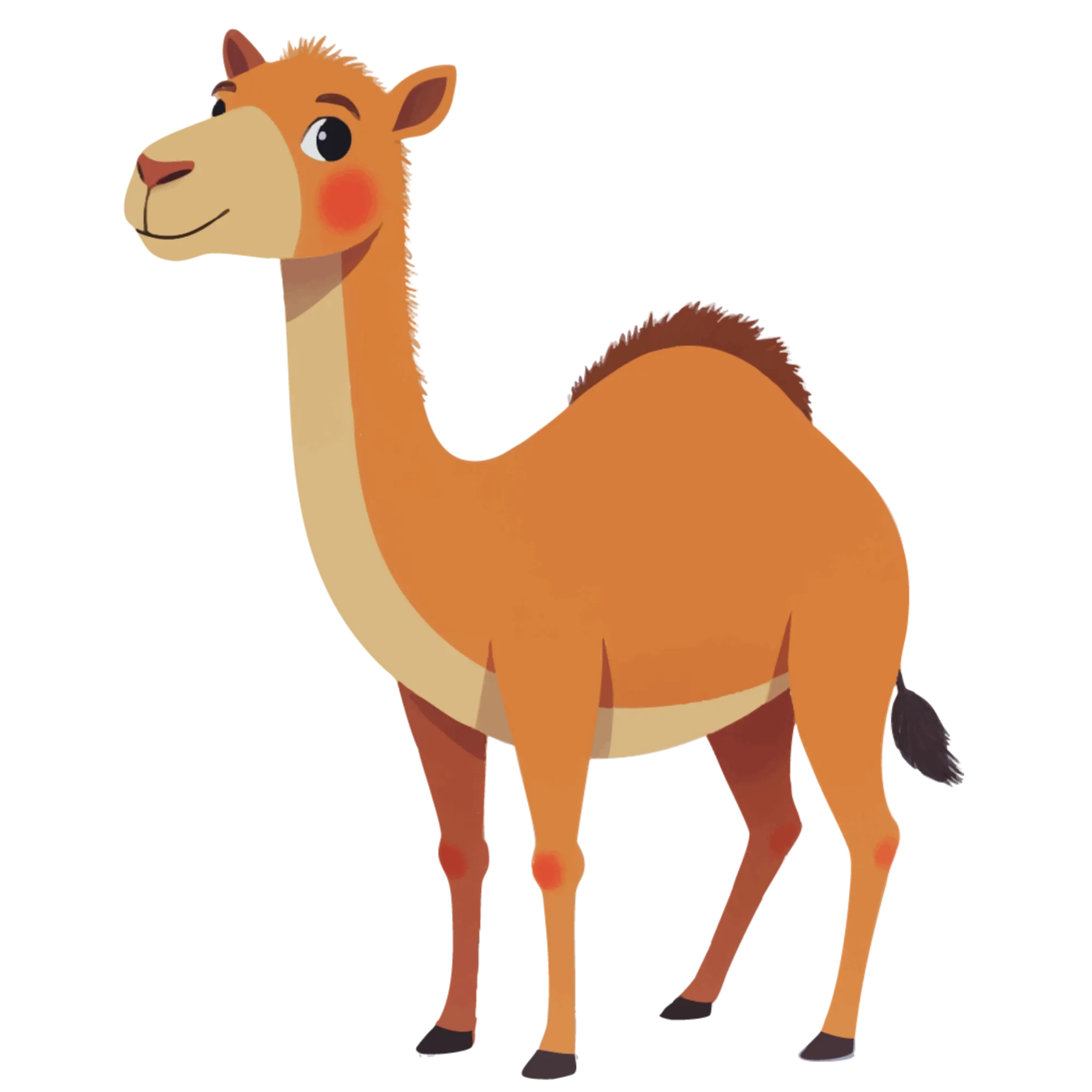
Camel -- themed educational image
Camel
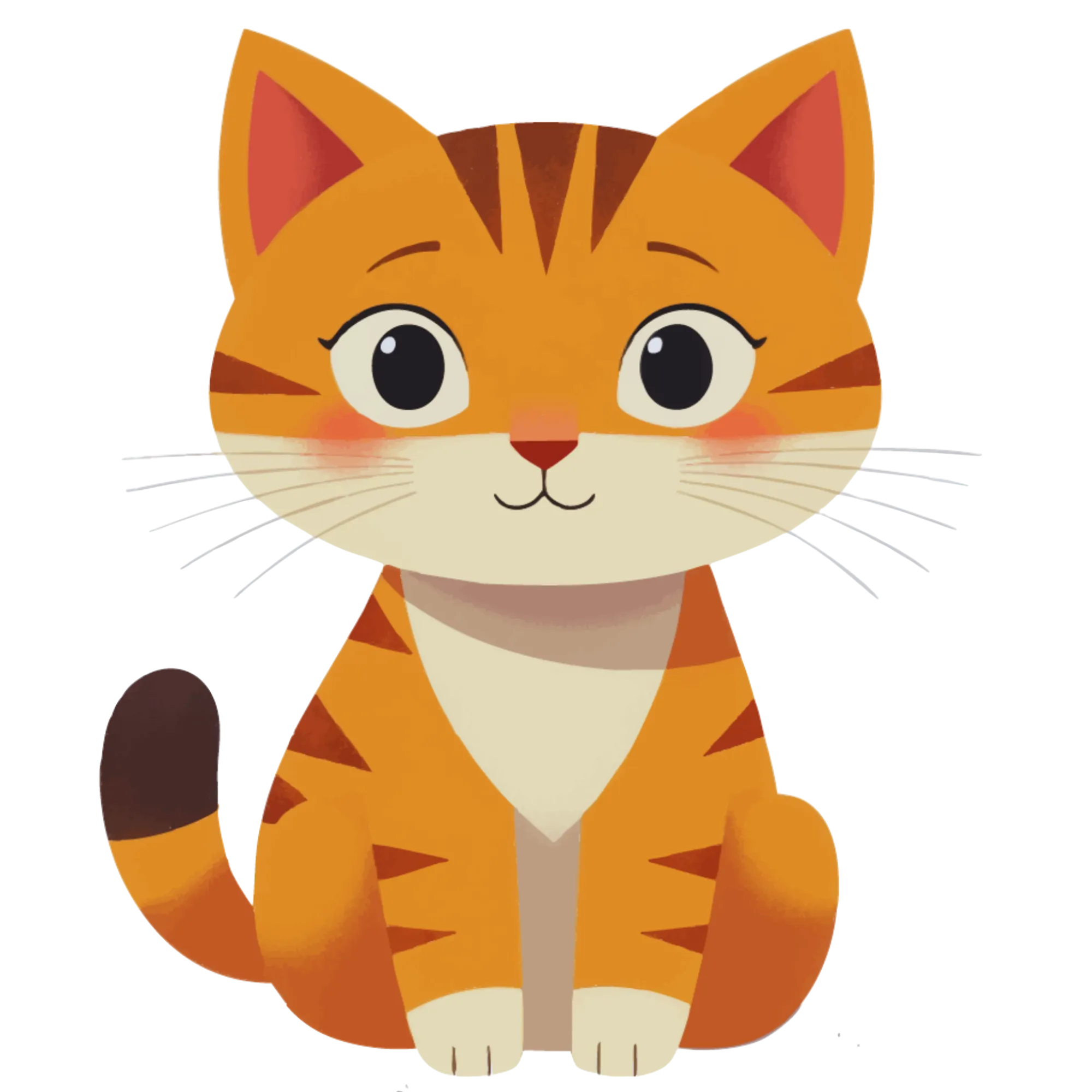
Cat -- themed educational image
Cat
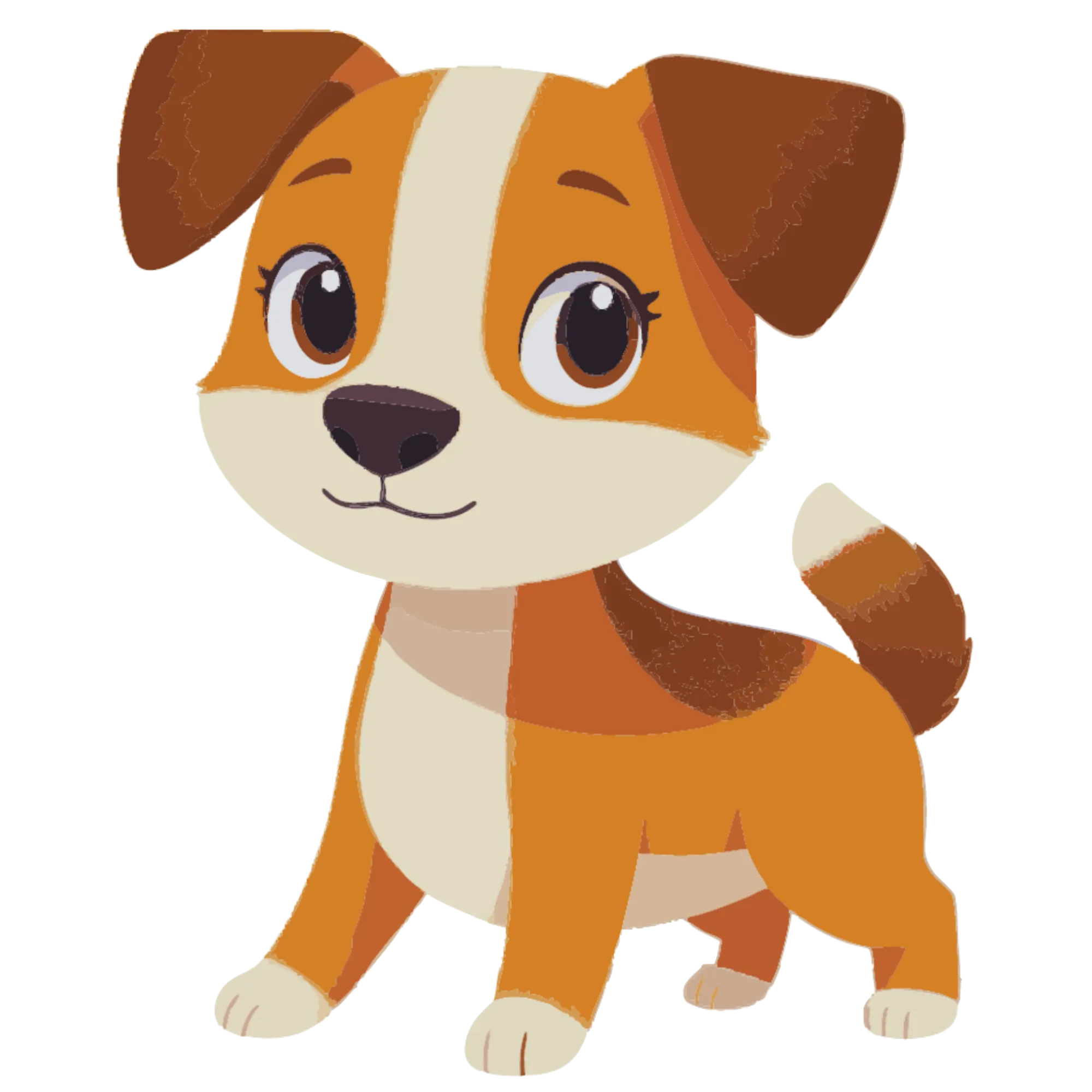
Dog -- themed educational image
Dog

Frequently Asked Questions

How many different activity types should I include in one book?
Four to seven activity types is the sweet spot. Fewer than four and the book does not feel like a true "activity book." More than seven and each type gets too few pages to feel substantial. A strong mix includes word search, coloring, math, mazes, matching, and one specialty type like sudoku or crossword.
What is the best page count for a KDP activity book?
Most successful activity books on KDP contain 100 to 200 total pages including answer keys. A 120-page book is the minimum for perceived value at the $7.99 to $8.99 price point. Books over 200 pages increase printing costs faster than buyers will accept higher prices.
Can I mix difficulty levels within one activity book?
Yes, and you should. Start with easier activities and gradually increase difficulty throughout the book. This progression keeps younger children engaged in the early pages while providing challenge for older children or repeat users. Label difficulty on each page if the difference is significant.
How do I keep visual consistency across different generator types?
Use the same theme across all 33 generators. When you select "Animals" in the coloring generator, word search generator, and math generator, they all draw from the same themed image collection. This ensures your animal-themed activity book looks cohesive throughout, with matching illustration styles on every page.
Do activity books need answer keys for every page?
Include answer keys for any activity with a definitive correct answer: word search, crossword, sudoku, math worksheets, and matching activities. Coloring pages, drawing activities, and open-ended creative pages do not need answer keys. Group all answer keys at the back of the book with clear page number references.
How long does it take to produce a complete activity book?
A 120-page mixed-activity book takes approximately 6 to 10 hours to generate all pages across multiple generators, 1 to 2 hours to compile the manuscript, and 1 to 2 hours for cover design and KDP listing setup. Total production time is roughly 8 to 14 hours for your first book. Subsequent books are faster as you develop your workflow and reuse templates.
What is the refund policy for commercial licenses?
Every generator offers a free trial with watermark so you can test all features, create sample activity pages, and evaluate output quality before purchasing. Because you can fully evaluate the product before buying, all commercial license sales are final. This is standard practice for digital product tools where the full product can be previewed before purchase.

Ready to Start Creating?

Try any generator free with watermark. No signup required.

Browse All Generators