Create a Puzzle Book for Amazon KDP

Puzzle books are among the most reliable sellers on Amazon KDP. They require no writing talent, no illustration background, and no complex layout skills. You generate puzzles, arrange them into a manuscript, upload to KDP, and collect royalties. The key to standing out in a competitive market is offering multiple puzzle types in one book -- buyers perceive multi-puzzle compilations as better value than single-format books. This guide walks you through combining word search, crossword, sudoku, cryptogram, and word scramble generators into professionally structured puzzle books with proper difficulty progression, answer keys, and manuscript formatting.
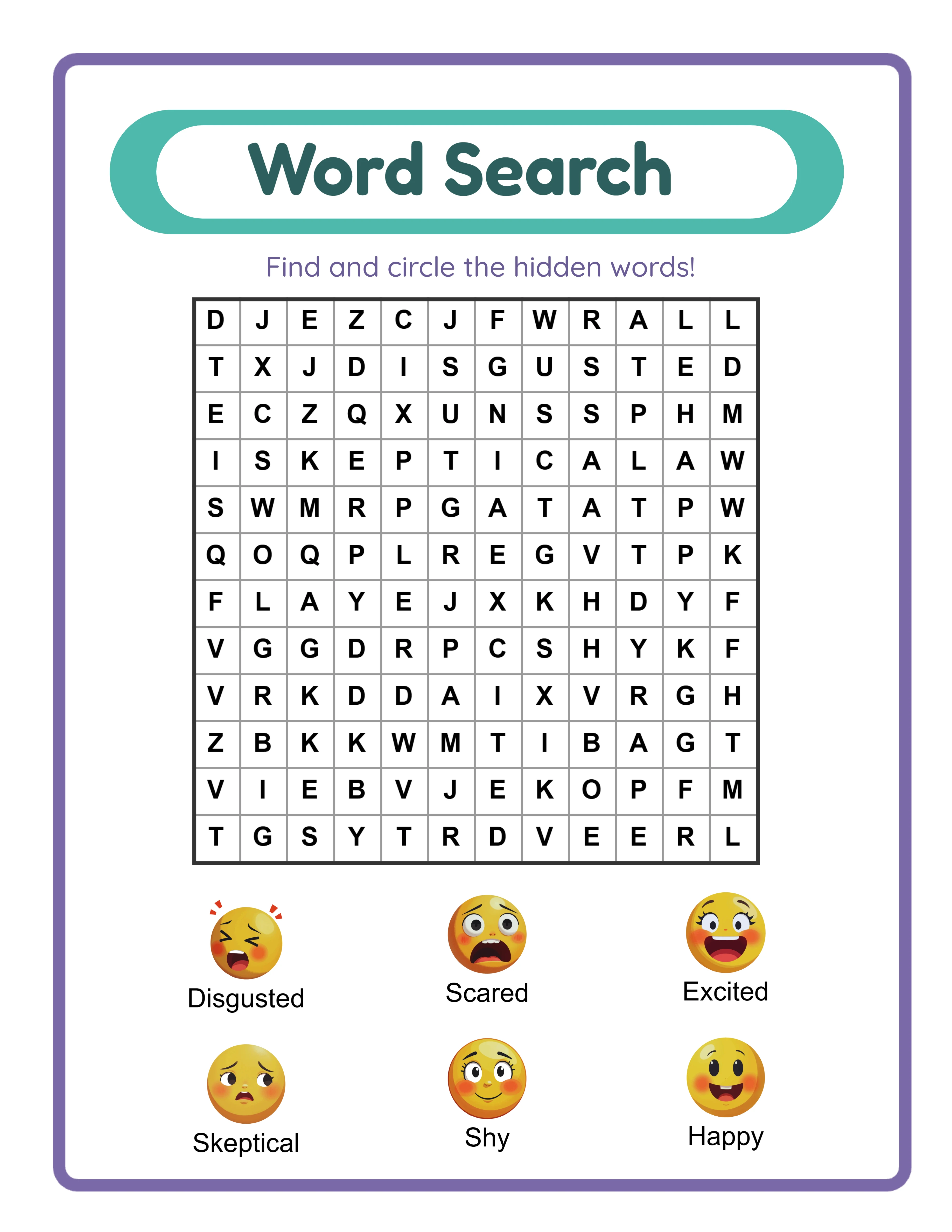
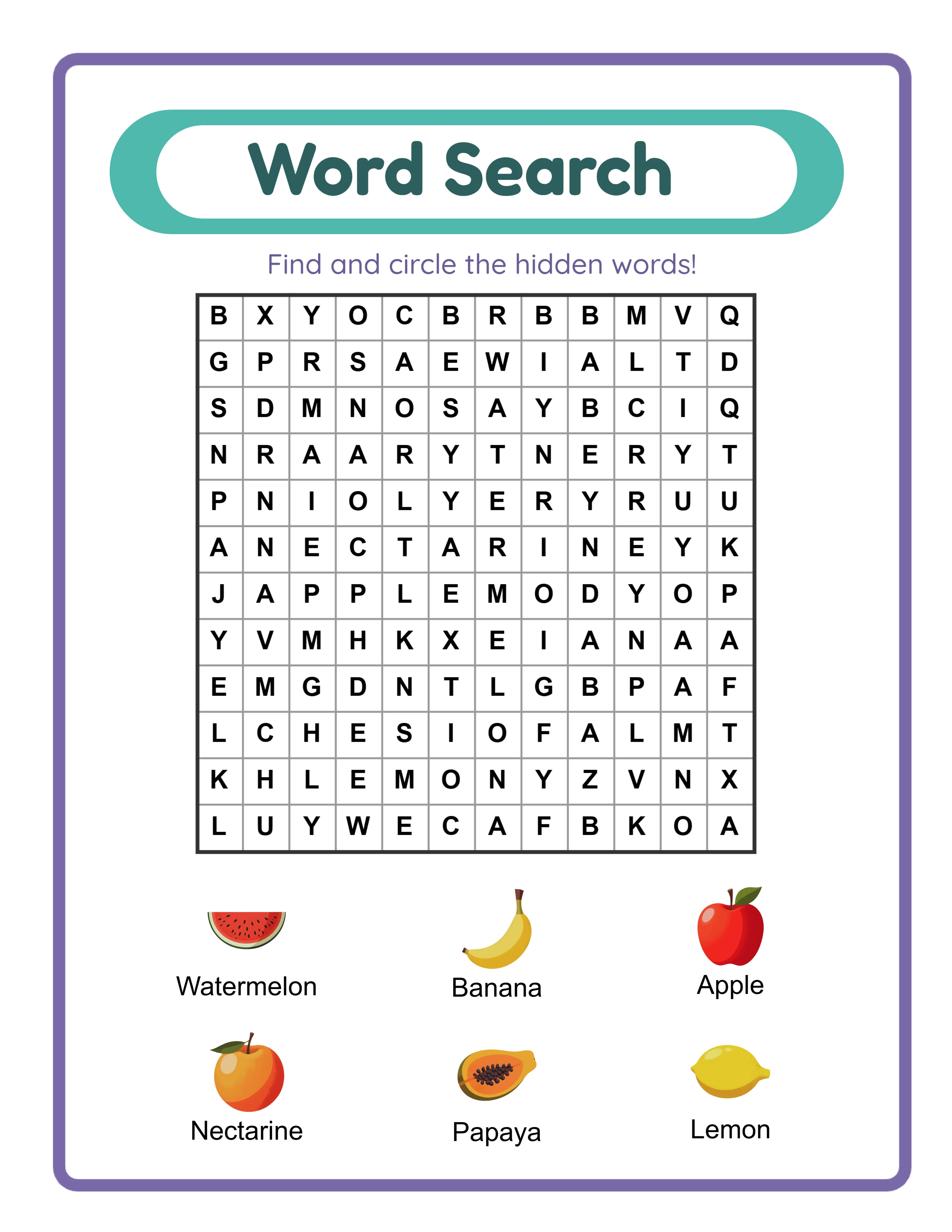
Multi-puzzle book pages showing word search, crossword, and sudoku generated for Amazon KDP

Introduction

The puzzle book category on Amazon KDP generates millions of dollars in annual royalties for independent publishers. Unlike fiction books that require months of creative writing or non-fiction books that demand subject matter expertise, puzzle books follow a systematic production process. You select puzzle types, configure difficulty, generate pages, compile a manuscript, and publish. Multi-puzzle compilation books hold a distinct advantage over single-format books. A buyer choosing between "100 Word Searches" and "100 Mixed Puzzles: Word Search, Crossword, Sudoku, Cryptogram & Word Scramble" almost always picks the variety option when the prices are similar. The compilation format also lets you target multiple keyword searches simultaneously -- your book appears when buyers search for "word search book," "crossword book," "sudoku book," and "puzzle book" on Amazon. The production challenge with multi-puzzle books has traditionally been sourcing different puzzle types from different tools, each with different output formats and quality levels. LessonCraftStudio eliminates this problem by providing all five major puzzle types in a single platform. The word search, crossword, sudoku, cryptogram, and word scramble generators all share the same 104 themed image collections, the same 11-language support, and the same 300 DPI PDF export format. Your manuscript has visual consistency across every puzzle type. The economics are straightforward. A 200-page multi-puzzle book sells at $7.99 to $9.99 on Amazon. At 60% royalty minus printing costs, you earn roughly $1.00 to $2.00 per sale. A well-optimized listing selling 3 to 6 copies per day generates $90 to $360 per month -- from a single book. Scale to 10 books across themes and languages and you have a substantial royalty stream. This guide covers every step: selecting puzzle types and ratios, configuring difficulty progression, generating consistent themed puzzles, structuring your manuscript, and scaling to a full catalog. Every generator described here is available in the free trial with watermark, so you can test the complete workflow before purchasing a commercial license.
Try It Free with Watermark

Try any generator free with watermark. No signup required.

Tutorial

1

Choosing Your Puzzle Type Mix

The foundation of a successful multi-puzzle book is selecting the right combination of puzzle types. Each type appeals to a different cognitive preference, and the variety is what creates perceived value. Core puzzle types and their appeal: Word search: The universal puzzle. Every age group enjoys word search puzzles. They are visually approachable, require no instructions for experienced puzzlers, and produce satisfying "aha" moments. Include word search in every multi-puzzle book. Crossword: The intellectual anchor. Crossword puzzles signal "smart" content to buyers. The LessonCraftStudio crossword generator uses picture clues instead of text clues, making crosswords accessible to visual learners and younger audiences. Picture crosswords are a distinctive format that competitors rarely offer. Sudoku: The logic challenge. Picture sudoku using themed images instead of numbers makes this classic format accessible to children and visually distinctive on Amazon listings. Offer 4x4 grids for easy, 6x6 for medium, and 9x9 for hard difficulty. Cryptogram: The code-breaking element. Cryptograms add a sense of mystery and achievement. The picture cipher format maps alphabet letters to themed images, creating encoded messages that solvers decode. This format is unique to the LessonCraftStudio platform. Word scramble: The quick win. Word scramble puzzles provide fast-completion satisfaction between longer puzzle types. Solvers unscramble themed vocabulary words using image hints. Recommended puzzle ratios for a 100-puzzle book: - Word search: 30 puzzles (30%) - Crossword: 20 puzzles (20%) - Sudoku: 20 puzzles (20%) - Cryptogram: 15 puzzles (15%) - Word scramble: 15 puzzles (15%) This distribution ensures word search carries the book (since it is the most searched puzzle type) while giving adequate representation to each format.
2

Designing Difficulty Progression

Difficulty progression transforms a random collection of puzzles into a book that feels intentionally designed. Readers notice when difficulty increases gradually -- it creates a sense of accomplishment and keeps them engaged through the entire book. Three-tier difficulty structure: Section 1 -- Easy (puzzles 1-33): Build confidence. Word searches use 8x8 or 10x10 grids with horizontal and vertical words only. Crosswords use 5x5 grids with obvious image clues. Sudoku uses 4x4 picture grids with 4 to 6 blank cells. Cryptograms encode short 3 to 4 word phrases. Word scrambles use 4 to 5 letter words. Section 2 -- Medium (puzzles 34-66): Increase challenge. Word searches use 15x15 grids with diagonal directions added. Crosswords use 7x7 or 9x9 grids. Sudoku uses 6x6 grids with 8 to 12 blank cells. Cryptograms encode 5 to 7 word phrases. Word scrambles use 6 to 8 letter words. Section 3 -- Hard (puzzles 67-100): Test mastery. Word searches use 20x20 grids with all directions including reverse. Crosswords use larger grids with more intersecting words. Sudoku uses 9x9 grids (or larger picture grids). Cryptograms encode full sentences. Word scrambles use 8 to 10 letter vocabulary. Within each difficulty tier, alternate puzzle types. Do not place 10 word searches in a row followed by 10 crosswords. Instead, cycle through: word search, crossword, sudoku, cryptogram, word scramble, word search, crossword, and so on. This alternation keeps readers engaged and prevents fatigue from any single format. Label each puzzle with its difficulty level. A small "Easy," "Medium," or "Hard" indicator in the corner of each page helps solvers navigate the book and find their preferred challenge level.
3

Generating Word Search Puzzles for Your Compilation

Word search puzzles form the backbone of most puzzle compilations. They are the most searched puzzle type on Amazon and the most universally enjoyed. Open the word search generator and select your theme. For a multi-puzzle book, choose a broad theme like "Animals" that provides enough vocabulary for 30 different puzzles without repeating word lists. Easy word searches (10 puzzles): - Grid size: 10x10 - Word count: 6 to 8 words per puzzle - Directions: Horizontal and vertical only - Theme sub-categories: Use different animal groups (farm, ocean, jungle, pets, birds) to vary vocabulary Medium word searches (10 puzzles): - Grid size: 15x15 - Word count: 10 to 12 words per puzzle - Directions: Horizontal, vertical, and diagonal - Theme sub-categories: Continue rotating through animal groups Hard word searches (10 puzzles): - Grid size: 20x20 - Word count: 15 to 18 words per puzzle - Directions: All directions including reverse - Theme sub-categories: Mix animal groups for maximum vocabulary diversity Generate each puzzle individually, preview the grid to ensure words are properly placed, and export as 300 DPI PDF. The generator automatically creates a color-coded answer key for each puzzle -- export these separately and compile them into the answer key section. For multilingual puzzle books, switch the language selector and regenerate. The generator produces native vocabulary with locale-correct filler letters. A German word search uses words like Elefant, Giraffe, and Pinguin with appropriate umlauts in filler characters.
4

Creating Crossword and Sudoku Puzzles

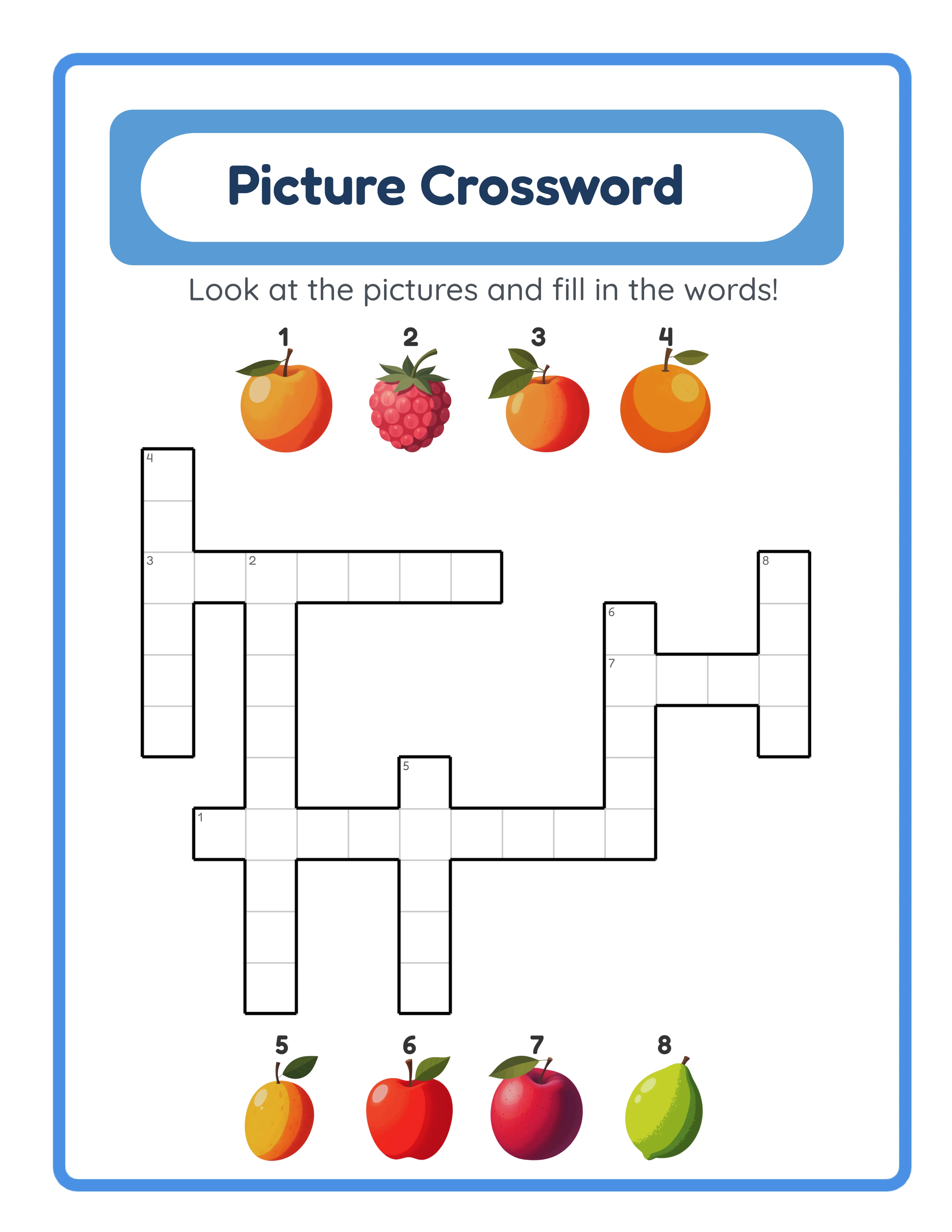
Crossword and sudoku puzzles add intellectual depth to your compilation. These formats attract buyers who want genuine problem-solving, not just word finding. Picture crosswords: The crossword generator creates puzzles where clues are images instead of text definitions. This makes crosswords accessible to younger solvers and creates a visually distinctive product. A farm animal crossword shows pictures of a cow, pig, horse, and chicken as clues, with the solver filling in the animal names. Easy crosswords (7 puzzles): 5x5 grid, 4 to 6 clue images, short common words Medium crosswords (7 puzzles): 7x7 grid, 6 to 8 clue images, medium-length words Hard crosswords (6 puzzles): 9x9 or larger grid, 8 to 12 clue images, longer vocabulary Generate each crossword with its answer key. The answer key shows the completed grid with all words filled in. Export each puzzle and key as separate PDFs. Picture sudoku: The sudoku generator replaces numbers with themed images. Instead of placing digits 1 through 9, solvers place images of a cat, dog, bird, fish, and so on into a grid where each image appears exactly once per row and column. Easy sudoku (7 puzzles): 4x4 grid with 4 to 6 blank cells. Uses 4 themed images. Medium sudoku (7 puzzles): 6x6 grid with 10 to 15 blank cells. Uses 6 themed images. Hard sudoku (6 puzzles): 9x9 grid with 25 to 35 blank cells. Uses 9 themed images. (Note: 9x9 picture sudoku is genuinely challenging and appeals to experienced puzzlers.) Export each sudoku puzzle and its completed answer key. The visual format makes picture sudoku stand out from the thousands of number sudoku books on Amazon -- this is a competitive advantage.
5

Adding Cryptogram and Word Scramble Puzzles

Cryptograms and word scrambles round out your puzzle compilation with formats that offer different cognitive challenges than grid-based puzzles. Picture cryptograms: The cryptogram generator creates cipher puzzles where each letter of the alphabet is replaced by a themed image. A secret message like "THE CAT SAT ON THE MAT" becomes a sequence of pictures that the solver decodes using a partial key. The picture cipher format is visually engaging and unique to this platform. Easy cryptograms (5 puzzles): Short phrases of 3 to 4 words. Provide 40% to 50% of the cipher key as starting hints. Medium cryptograms (5 puzzles): Phrases of 5 to 7 words. Provide 20% to 30% of the cipher key. Hard cryptograms (5 puzzles): Full sentences of 8 or more words. Provide 10% to 15% of the cipher key or no hints. Each cryptogram includes its own cipher key as an answer. Export puzzles and answers separately for manuscript compilation. Word scramble puzzles: The word scramble generator takes themed vocabulary and rearranges the letters. An image hint shows what the word should be, and the solver unscrambles the letters. For example, the image of a giraffe appears next to the scrambled letters "FEIGAFR." Easy word scrambles (5 puzzles): 6 to 8 words per page, 4 to 5 letter words, image hints for every word Medium word scrambles (5 puzzles): 8 to 10 words per page, 5 to 7 letter words, image hints for every word Hard word scrambles (5 puzzles): 10 to 12 words per page, 7 to 10 letter words, fewer image hints Word scrambles provide a quick-completion format that breaks up longer puzzles. Solvers who spend 10 minutes on a hard crossword appreciate a page of word scrambles they can complete in 2 to 3 minutes.
6

Structuring the Manuscript for KDP

A well-structured manuscript separates professional puzzle books from amateur compilations. Here is the optimal structure for a multi-puzzle book. Front matter (pages 1-8): - Page 1: Title page with book title, subtitle, and publisher name - Page 2: Copyright page with standard notice and license reference - Page 3-4: Table of contents listing puzzle sections and page ranges - Page 5-6: "How to Solve" instructions for each puzzle type with mini examples - Page 7-8: Difficulty legend explaining the Easy/Medium/Hard rating system Puzzle section (pages 9-108): Arrange puzzles in alternating format order within each difficulty tier: - Pages 9-41: Easy section -- cycle through WS, CW, SU, CR, WSc (33 puzzles) - Pages 42-74: Medium section -- same cycle (33 puzzles) - Pages 75-108: Hard section -- same cycle (34 puzzles) Answer key section (pages 109-208): - Group answer keys by puzzle type for easy reference - Pages 109-138: Word search answer keys (30 pages) - Pages 139-158: Crossword answer keys (20 pages) - Pages 159-178: Sudoku answer keys (20 pages) - Pages 179-193: Cryptogram answer keys (15 pages) - Pages 194-208: Word scramble answer keys (15 pages) Back matter (pages 209-212): - Page 209-210: About the publisher - Page 211-212: Catalog page listing other books in the series Total: Approximately 212 pages. This page count supports a $8.99 to $9.99 price point at 60% royalty. Merge all individual PDFs into one manuscript using PDFsam Basic, Sejda, or similar tools. Verify consistent page size, margins, and orientation throughout.
7

KDP Upload and Listing Optimization

With your manuscript and cover ready, create your KDP listing with precision. Every field affects discoverability and conversion. Title structure: "[Theme] Puzzle Book for [Audience]: [Puzzle Count] [Puzzle Types] with Answer Keys" Example: "Animal Puzzle Book for Adults: 100 Word Search, Crossword, Sudoku, Cryptogram & Word Scramble Puzzles with Answer Keys" Subtitle: Add details the title cannot fit. Example: "Easy to Hard Difficulty -- 5 Puzzle Types -- Themed Picture Puzzles" Book description (use HTML formatting): Open with a compelling hook: "Five puzzle types. One hundred challenges. Hours of entertainment." List each puzzle type with its count: "30 Word Search Puzzles, 20 Picture Crosswords, 20 Picture Sudoku, 15 Cryptograms, 15 Word Scrambles" Mention difficulty levels: "Progressive difficulty from Easy to Hard" Highlight unique features: "Picture-based clues, themed illustrations, complete answer keys" Close with specifications: "8.5 x 11 inches, 212 pages, black and white interior" 7 keyword slots: - "puzzle book for adults word search crossword" - "mixed puzzle book with answers" - "word search sudoku cryptogram book" - "variety puzzle book adults" - "picture puzzle book themed" - "easy to hard puzzle collection" - "brain games puzzle book adults" Categories: Select "Puzzle Books" and "Word Games" or "Logic Puzzles." Pricing: $8.99 to $9.99 for US market. Adjust European prices 15% to 20% lower to account for higher printing costs. Use KDP's royalty calculator to verify profitability at your chosen price.
Platform Tips

Print Quality Optimization for Multi-Puzzle Books

Different puzzle types have different printing requirements. Here is how to ensure each format prints cleanly in your KDP book. Word search grids: Use a monospaced font (Courier or similar) for letter grids so columns align perfectly. Grid lines should be light gray (#CCCCCC) not black -- this prevents the grid from visually competing with the letters. Letter font size should be at least 14pt for standard books and 18pt for large print editions. Crossword grids: Black squares should be solid black (#000000) with crisp edges. White squares should have thin borders (0.5pt). Clue images should be at least 0.75 x 0.75 inches to remain recognizable after printing. Sudoku grids: Bold lines for region borders (2pt) and thin lines for cell borders (0.5pt). This visual hierarchy is essential for solvers to identify regions. Image cells should have sufficient padding so images do not touch cell borders. Cryptogram ciphers: The cipher key images must be large enough to distinguish from each other when printed. Minimum 0.5 x 0.5 inches per image in the key. The encoded message should use underline blanks with sufficient spacing for handwritten letters. Word scrambles: Scrambled letters should use large, well-spaced characters. Image hints should be at least 1 x 1 inch for clear identification. General rules: Set interior to "black and white" and "no bleed." Test your manuscript with KDP's online previewer before publishing. Order a proof copy to verify print quality before spending on advertising. Check that fine lines and small images reproduce cleanly on actual paper.

Cover Design for Multi-Puzzle Books

Your cover must instantly communicate "variety" to differentiate from single-format puzzle books. Effective multi-puzzle book cover layout: Divide the cover into a grid showing a mini example of each puzzle type. A 2x3 grid with small previews of a word search, crossword, sudoku, cryptogram, word scramble, and an answer key gives buyers immediate visual proof of the variety inside. Title hierarchy: - Primary: "Puzzle Book" (largest font, top of cover) - Secondary: "Word Search | Crossword | Sudoku | Cryptogram | Word Scramble" (medium font, below title) - Tertiary: "100 Puzzles | Easy to Hard | Answer Keys Included" (smaller font, above or below the grid) Color scheme: Use bold, contrasting colors. Each puzzle type preview can have a different colored border to emphasize variety. Yellow for word search, blue for crossword, green for sudoku, red for cryptogram, purple for word scramble. Back cover: Include a larger preview of one puzzle from each type, the difficulty breakdown ("33 Easy, 34 Medium, 33 Hard"), the page count, and a brief description. Leave space for the ISBN barcode. Spine: For a 200+ page book, include the title and "5 Puzzle Types" on the spine. This helps your book stand out on physical bookshelves and in Amazon's spine view. Design tools: Canva offers puzzle book cover templates. Book Bolt provides KDP-specific cover tools. For maximum impact, invest $25 to $50 in a Fiverr cover designer who specializes in puzzle books.

Leveraging Amazon Search Algorithm for Puzzle Books

Amazon's A9 search algorithm determines which books appear for which searches. Understanding how it works gives your puzzle book a significant visibility advantage. Title keywords: Amazon gives the highest keyword weight to your title. Include your primary puzzle types in the title. "Word Search Crossword Sudoku Puzzle Book" targets three high-volume search terms in one title. Subtitle keywords: The subtitle carries second-highest keyword weight. Use it for modifiers: "Easy to Hard," "Large Print," "With Answer Keys," "For Adults," "Themed." Backend keywords: Your 7 keyword slots are indexed but not displayed to buyers. Use these for synonyms and alternative phrases: "brain teasers," "mind games," "word games," "logic puzzles," "word find," "number puzzles," "cipher puzzles." Category selection: Each category you select makes your book eligible for that category's bestseller lists. "Puzzle Books" is essential. The second category should match your strongest sub-type -- "Word Search" if word search dominates your book, "Logic Puzzles" if sudoku and crosswords are prominent. Sales velocity: Amazon promotes books that sell consistently. Initial sales momentum matters. Launch with a $5 per day Amazon Ads campaign and consider a temporary promotional price ($4.99 instead of $8.99) for the first week to generate reviews and sales history. Reviews: Encourage honest reviews by including a polite request on the final page of your book. Reviews affect both search ranking and conversion rate. A book with 10 positive reviews significantly outperforms an identical book with zero reviews.

Monetization Strategies

Revenue Modeling for Puzzle Book Catalogs

Puzzle book publishing is a catalog business. Individual book revenue is modest, but catalog-level revenue compounds meaningfully. Per-book economics for a 212-page puzzle book at $8.99: - List price: $8.99 - KDP royalty rate: 60% - Gross royalty: $5.39 - Printing cost (B&W, 8.5x11, 212 pages): approximately $4.95 - Net royalty per sale: approximately $0.44 At that royalty, you need volume. A well-optimized puzzle book sells 3 to 8 copies per day. At 5 copies per day and $0.44 royalty, that is $2.20 per day or $66 per month from one book. To improve per-sale royalty, reduce page count. A 150-page book at $7.99: - Gross royalty: $4.79 - Printing cost: approximately $3.65 - Net royalty: approximately $1.14 per sale - At 5 copies per day: $5.70 per day or $171 per month Catalog projections: - 5 books averaging 3 copies per day at $1.14 royalty: $513 per month - 10 books averaging 3 copies per day at $1.14 royalty: $1,026 per month - 20 books averaging 2 copies per day at $1.14 royalty: $1,368 per month The 20-book catalog is achievable in 3 to 6 months of consistent production. Each book takes 8 to 14 hours to produce, and you can publish one per week while maintaining quality.

Theme and Language Multiplication Strategy

The fastest way to scale a puzzle book catalog is multiplication -- taking one book concept and producing variations across themes and languages. Theme multiplication: Your first animal-themed puzzle book is the template. Generate the same puzzle mix with food themes, vehicle themes, holiday themes, nature themes, and sports themes. Each theme is a separate product targeting different keyword searches. "Animal Puzzle Book" and "Food Puzzle Book" have largely non-overlapping buyer bases. With 104 themed image collections available, you could theoretically create 104 different themed puzzle books from one format template. In practice, focus on the 10 to 15 themes with the strongest Amazon search demand: animals, food, vehicles, Christmas, Halloween, nature, sports, ocean, space, dinosaurs, farm, garden, music, weather, and careers. Language multiplication: Every word-based puzzle (word search, crossword, cryptogram, word scramble) can be regenerated in all 11 supported languages. Sudoku is language-neutral. A single puzzle book concept becomes 11 products. The math: 15 themes multiplied by 11 languages equals 165 potential puzzle books from one production workflow. Even if you publish just 30 of these (the strongest theme-language combinations), you have a substantial catalog that took a fraction of the effort of creating 30 unique concepts. Non-English markets are dramatically less competitive for puzzle books on Amazon. German, French, Spanish, and Portuguese puzzle books face 10% to 20% of the competition that English books face, yet demand is substantial in those marketplaces.

Advertising ROI for Puzzle Books on Amazon

Amazon Ads is the primary paid traffic source for KDP puzzle books. Here is a practical framework for profitable advertising. Starting budget: $5 per day per book. This is enough to generate data without risking significant capital. Run for 14 days before making optimization decisions. Campaign structure: Campaign 1 -- Automatic targeting: Let Amazon find relevant keywords. This is your discovery campaign. Review the search term report after 14 days to identify high-converting terms. Campaign 2 -- Manual exact match: Take the top 10 to 15 converting terms from the automatic campaign and create exact match targets. Set bids 10% to 20% higher than the automatic campaign suggested. Campaign 3 -- Product targeting: Target specific competitor puzzle books that are similar to yours. Your ad appears on their product pages. Key metrics: - ACoS (Advertising Cost of Sales): Target below 50% for profitability. If your royalty is $1.14 per sale and you spend $0.57 on ads per sale, your ACoS is 50% and you still earn $0.57 profit. - Click-through rate: Above 0.3% is good for puzzle books. Below 0.2% means your cover or title needs improvement. - Conversion rate: Above 10% is excellent. Below 5% suggests your listing description or price needs optimization. Seasonal adjustments: Double ad budgets for holiday-themed books 4 to 6 weeks before the holiday. Reduce budgets on underperforming books to reallocate spend to winners. Break-even analysis: If your book earns $1.14 per sale, you can afford to spend up to $1.13 per sale on ads and still profit (barely). In practice, target $0.50 or less in ad spend per sale for healthy margins. At $0.40 per click and 15% conversion, you spend $2.67 per sale -- which is unprofitable. You need either cheaper clicks ($0.20 or less) or higher conversion (25% or more).

Examples

Complete Blueprint: Adult Variety Puzzle Book

Here is a concrete, reproducible blueprint for a multi-puzzle book targeting the adult market. Book concept: "Ultimate Puzzle Book for Adults: 100 Word Search, Crossword, Sudoku, Cryptogram & Word Scramble Puzzles with Answers" Specifications: - Trim size: 8.5 x 11 inches - Page count: 150 pages (8 front matter + 100 puzzles + 38 answer keys + 4 back matter) - Interior: Black and white, no bleed - Theme: Nature (trees, flowers, weather, seasons) - Difficulty: Easy (33), Medium (34), Hard (33) Puzzle breakdown: - 30 word searches: 10 easy (12x12), 10 medium (15x15), 10 hard (20x20) - 20 picture crosswords: 7 easy (5x5), 7 medium (7x7), 6 hard (9x9) - 20 picture sudoku: 7 easy (4x4), 7 medium (6x6), 6 hard (9x9) - 15 cryptograms: 5 easy (3-4 words), 5 medium (5-7 words), 5 hard (8+ words) - 15 word scrambles: 5 easy (4-5 letters), 5 medium (6-7 letters), 5 hard (8+ letters) Generation workflow: 1. Generate 30 word search puzzles with Nature theme across 3 difficulty levels 2. Generate 20 picture crosswords with Nature theme across 3 difficulty levels 3. Generate 20 picture sudoku with Nature theme across 3 difficulty levels 4. Generate 15 cryptograms with Nature theme across 3 difficulty levels 5. Generate 15 word scrambles with Nature theme across 3 difficulty levels 6. Arrange in alternating format order within each difficulty section 7. Compile answer keys grouped by puzzle type 8. Merge into single manuscript PDF Estimated production time: 10 to 14 hours Pricing: $7.99 Estimated monthly revenue: $100 to $300 (at 3 to 8 copies per day) Break-even: Within 2 to 4 weeks of publication

Blueprint: Themed Puzzle Book Series in 5 Languages

This blueprint creates a 25-book catalog from 5 themes and 5 languages using a single production methodology. Base concept: 100-puzzle multi-format book with 5 puzzle types 5 themes: 1. Animals -- broadest appeal, year-round demand 2. Food -- strong with families and casual puzzlers 3. Nature -- appeals to adults and seniors 4. Vehicles -- targets parents buying for kids ages 6 to 10 5. Holiday (Christmas) -- massive seasonal spike in Q4 5 languages: 1. English -- amazon.com, amazon.co.uk, amazon.ca 2. German -- amazon.de (second-largest KDP marketplace) 3. French -- amazon.fr 4. Spanish -- amazon.es, amazon.com.mx 5. Portuguese -- amazon.com.br Production timeline: Week 1: Generate all 5 English books (10-14 hours each = 50-70 hours) Week 2: Regenerate all puzzles in German (8-10 hours per book = 40-50 hours) Week 3: Regenerate in French (40-50 hours) Week 4: Regenerate in Spanish and Portuguese (80-100 hours) Total production: Approximately 4 to 6 weeks of focused effort for 25 published books. Revenue projection at month 6: - English books (5): 15 copies per day combined = $17.10 per day - German books (5): 5 copies per day combined = $5.70 per day - French books (5): 4 copies per day combined = $4.56 per day - Spanish books (5): 3 copies per day combined = $3.42 per day - Portuguese books (5): 2 copies per day combined = $2.28 per day - Combined daily: $33.06 - Combined monthly: approximately $991 - Combined annual: approximately $11,900 This projection assumes modest per-book sales of 1 to 3 copies per day per book. Successful books that gain traction can sell 5 to 10 copies per day, significantly increasing total revenue.

Sample Worksheets

Word search puzzle page formatted for KDP puzzle book
Themed word search puzzle with automatic answer key for KDP manuscripts
Picture crossword puzzle with image clues for puzzle compilation
Picture crossword using themed image clues -- a distinctive format for multi-puzzle books

Theme Images

Antelope -- themed educational image
Antelope
Bat -- themed educational image
Bat
Camel -- themed educational image
Camel
Cat -- themed educational image
Cat
Dog -- themed educational image
Dog

Frequently Asked Questions

How many puzzle types should I include in one book?
Three to five puzzle types is optimal. Fewer than three does not differentiate your book from single-format competitors. More than five makes each type feel underrepresented. The proven combination is word search (30%), crossword (20%), sudoku (20%), and one or two specialty types like cryptogram or word scramble (15% each).
What difficulty mix works best for KDP puzzle books?
A three-tier progression of roughly equal parts works well: one-third easy, one-third medium, one-third hard. This satisfies casual puzzlers who stick to easy sections, regular puzzlers who enjoy the medium challenge, and experienced puzzlers who skip to hard. Label each puzzle with its difficulty level.
Can I publish the same puzzles in different formats?
Each book should contain unique puzzles. However, you can use the same theme and difficulty settings to generate different puzzles. The generator creates new puzzle layouts each time, so two animal-themed 15x15 word searches will have different word placements and filler letters.
How do picture-based puzzles compare to text-based puzzles on KDP?
Picture crosswords, picture sudoku, and picture cryptograms are a distinctive format that most competitors do not offer. This visual approach makes puzzles accessible to younger audiences and stands out in Amazon search results. Buyers specifically comment on the image-based format in reviews, which drives discovery.
What page count maximizes royalty for puzzle books?
The sweet spot is 120 to 160 pages for an 8.5 x 11 book priced at $7.99 to $8.99. Below 120 pages feels thin to buyers. Above 200 pages, printing costs eat into royalties faster than the higher price compensates. Run your specific page count through KDP's royalty calculator before finalizing.
Do I need to create answer keys for every puzzle type?
Yes. Include answer keys for all puzzle types in a multi-puzzle book. Word search answer keys highlight word positions. Crossword answer keys show completed grids. Sudoku answer keys show filled grids. Cryptogram answer keys reveal the decoded message and cipher key. Word scramble answer keys list the correct words. Group all answer keys at the back of the book.
What is the refund policy for commercial licenses?
Every generator offers a free trial with watermark so you can test all features, create sample puzzles, and evaluate output quality before purchasing. Because you can fully evaluate the product before buying, all commercial license sales are final. This is standard practice for digital product tools where the full product can be previewed before purchase.

Ready to Start Creating?

Try any generator free with watermark. No signup required.

Browse All Generators