Create a Preschool Workbook for Amazon KDP

Preschool workbooks are one of the highest-demand categories on Amazon KDP. Parents of toddlers and pre-K children actively search for structured learning activities that keep their children engaged while building foundational skills. These books require no reading ability from the child -- every activity uses visual cues, pictures, and hands-on tracing. This guide shows you how to create developmentally appropriate workbooks using tracing, matching, coloring, pattern recognition, and size comparison activities. You will learn the progression framework that makes parents trust your workbook, the age-targeting strategy that drives Amazon sales, and the catalog approach that turns one concept into a publishing business.
Preschool tracing worksheet with themed images showing pre-writing path exercises for KDP workbook

Introduction

The preschool workbook market on Amazon KDP has a structural advantage that most publishers overlook: parents buy multiple workbooks for the same child. A child who finishes one tracing workbook needs another. A parent who sees improvement from matching activities buys a pattern workbook next. This repeat-purchase behavior means a well-positioned preschool workbook catalog generates compounding sales as parents work through your product line. The target buyer is typically a parent of a child aged 2 to 5 who wants structured activities beyond screen time. Secondary buyers include grandparents purchasing educational gifts, homeschool families seeking curriculum supplements, and preschool teachers looking for take-home activities. Each buyer persona searches Amazon with different keywords, which means your listing optimization can capture multiple audiences simultaneously. What makes preschool workbooks particularly suited for the LessonCraftStudio platform is the visual nature of every activity. Pre-readers cannot work with text-based worksheets, but they thrive with image-based activities. The drawing lines generator creates tracing paths between themed images. The matching generator pairs related pictures. The coloring generator produces age-appropriate outlines. The pattern generator builds "what comes next" sequences using images instead of letters or numbers. Every generator draws from 104 themed image collections, so your animal-themed preschool workbook maintains visual consistency from the first tracing page to the last coloring page. The economics of preschool workbooks on KDP are favorable. A 100-page workbook sells at $5.99 to $7.99. Printing costs are lower than puzzle books because pages are simpler with fewer fine details. Net royalties of $0.80 to $1.50 per sale are typical. At 3 to 8 copies per day, a single preschool workbook earns $72 to $360 per month. This guide covers developmental sequencing, activity type selection, page layout for small hands, Amazon category strategy, and the catalog multiplication approach. Every generator described is available in the free trial with watermark for complete workflow testing before purchasing a commercial license.
Try It Free with Watermark

Try any generator free with watermark. No signup required.

Tutorial

1

Understanding Developmental Stages for Ages 2 to 5

Creating a workbook that parents trust starts with understanding what children can actually do at each age. A workbook with activities too advanced for the stated age range earns negative reviews. A workbook with activities too simple gets described as "not worth the money." Age 2 to 3 (toddler): - Fine motor: Can hold a thick crayon, scribble in large areas, trace wide paths with assistance - Cognitive: Recognizes familiar objects (animals, food, vehicles), understands "same" and "different" for obvious pairs - Attention span: 2 to 5 minutes per activity page - Workbook activities: Large coloring areas (simple outlines), thick tracing paths (horizontal lines only), obvious matching (identical images), big vs. small comparisons with dramatic size differences Age 3 to 4 (early preschool): - Fine motor: Traces along dotted paths with reasonable accuracy, colors within large boundaries - Cognitive: Sorts by color and shape, identifies groups of 1 to 3 items, follows simple AB patterns - Attention span: 5 to 10 minutes per page - Workbook activities: Dotted line tracing (horizontal, vertical, diagonal), matching related images (baby animal to parent), coloring with 3 to 5 objects per page, simple ABAB patterns Age 4 to 5 (pre-K): - Fine motor: Traces curves and zigzag lines accurately, beginning to form letters, colors within smaller boundaries - Cognitive: Counts to 10, sorts by multiple attributes, completes complex patterns (ABCABC), identifies odd-one-out - Attention span: 10 to 15 minutes per page - Workbook activities: Complex path tracing (curves, loops, zigzags), matching by category (fruits, vehicles, animals), detailed coloring pages, pattern completion, simple counting activities Design your workbook for a specific sub-range within ages 2 to 5. "Ages 2-3" or "Ages 3-5" or "Ages 4-5" each represents a distinct product with different activities and difficulty levels.
2

Creating Tracing and Pre-Writing Activities

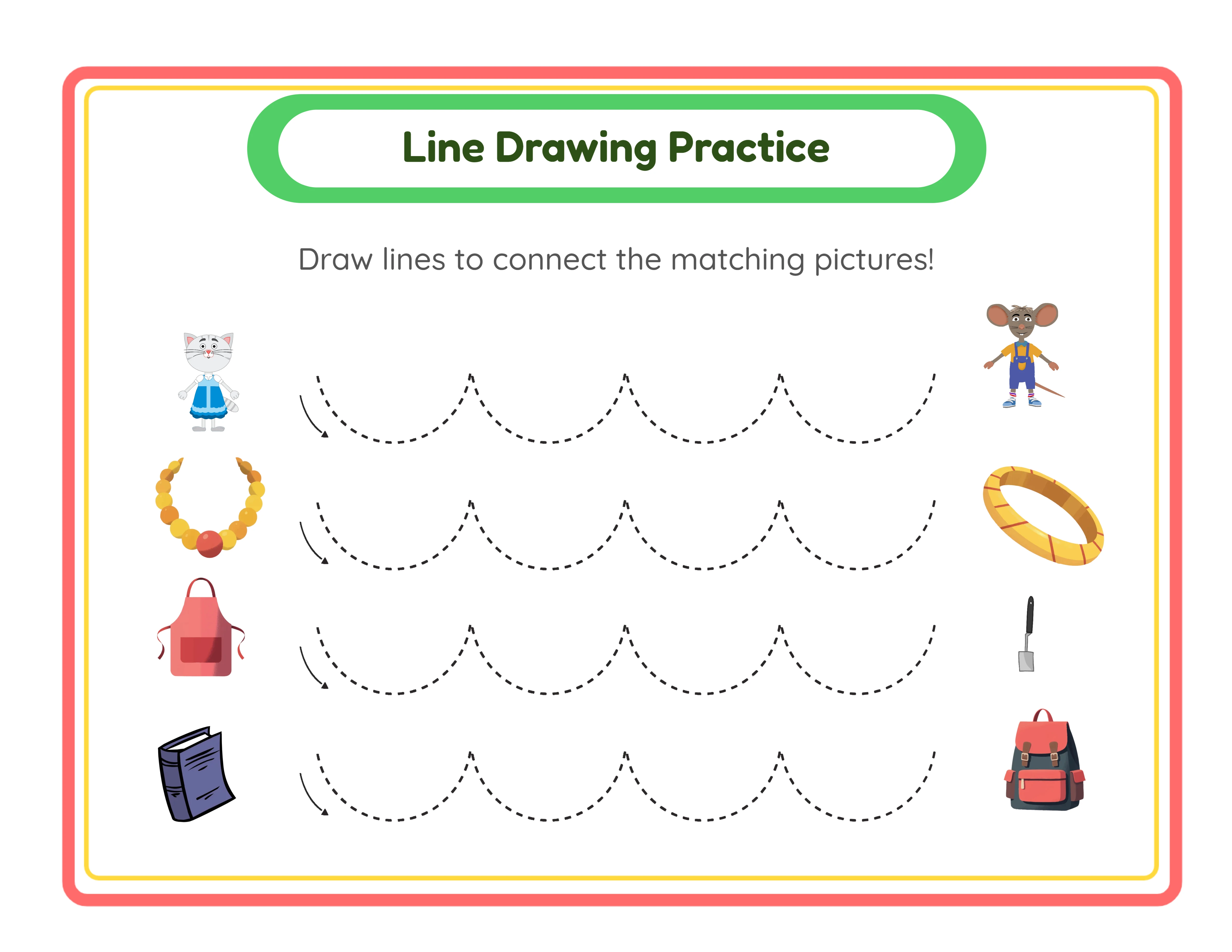
Tracing activities are the foundation of preschool workbooks. They develop the fine motor control children need for handwriting while keeping them engaged with visual themes. The drawing lines generator creates path-tracing activities between themed images. A child traces a line from a cat to a ball of yarn, from a cow to a barn, or from a bee to a flower. The themed context transforms motor skill practice into a meaningful activity. Tracing progression for a developmental workbook: Level 1 -- Straight horizontal lines: The simplest tracing activity. A dog on the left, a bone on the right, with a thick dotted line connecting them. The child traces left to right, building the directional habit used in reading and writing. Use 4 to 6 tracing pairs per page. Level 2 -- Straight vertical and diagonal lines: Same concept but the path goes top to bottom or corner to corner. This develops different muscle groups in the hand and wrist. Level 3 -- Curved lines: Gentle curves between themed images. A fish swimming in a curved path to a coral reef. A bird flying in an arc to a nest. These curves build the hand control needed for letter formation. Level 4 -- Zigzag and wavy lines: More complex paths that require stopping, changing direction, and maintaining control. A rabbit hopping along a zigzag path. A snake following a wavy line. Level 5 -- Mixed paths with turns: Paths that combine straight segments, curves, and turns. These prepare children for letter and number writing where strokes change direction. For a preschool workbook, include 15 to 25 tracing pages arranged in difficulty order. Start with Level 1 and progress through Level 5. Each page should feature themed images that give the tracing a purpose -- children are more motivated when they are "helping the puppy find its toy" than when they are tracing a line between two dots.
3

Building Matching and Sorting Activities

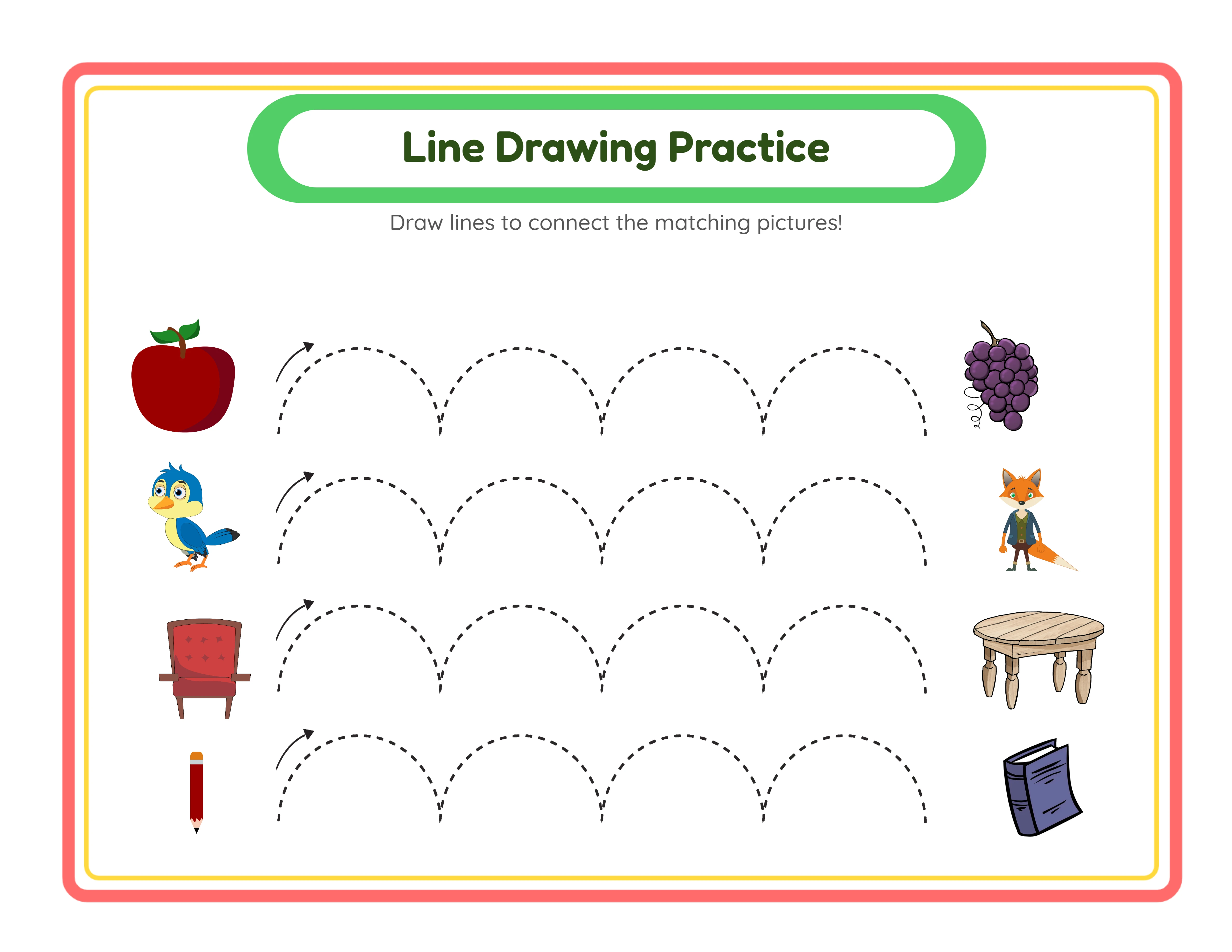
Matching activities develop categorization skills, visual discrimination, and the cognitive framework children use for reading (matching symbols to sounds) and math (matching quantities to numbers). The matching generator creates draw-a-line worksheets where children connect related images. The themed image library provides hundreds of matchable pairs across 104 themes. Matching activity types for preschool workbooks: Identical matching (ages 2-3): Two columns of images where children draw lines connecting identical pictures. A cat matches to a cat, a dog matches to a dog. Start with 3 pairs per page and increase to 5. Related matching (ages 3-4): Children connect related but not identical images. A baby chick matches to a hen. A kitten matches to a cat. A puppy matches to a dog. This requires understanding relationships, not just visual recognition. Category matching (ages 4-5): Children connect images to their category group. All fruits go to the basket. All vehicles go to the garage. All animals go to the farm. This develops classification skills. Shadow matching: Children match colored images to their silhouettes. This builds spatial awareness and visual discrimination. The generator can create both the color image and a darkened outline version. Size ordering: Present 3 to 5 versions of the same image in different sizes. Children draw lines from smallest to largest or circle the biggest and smallest. The big/small concept is a core preschool skill that parents specifically search for. Include 15 to 20 matching pages in your workbook. Arrange from simple identical matching to complex category sorting. Each page should use themed images consistent with the rest of the workbook.
4

Designing Coloring Pages for Preschoolers

Coloring pages serve multiple purposes in a preschool workbook. They develop fine motor control (staying within lines), teach color recognition, build focus and patience, and provide a creative break between structured activities. The coloring page generator converts themed images into clean black-and-white outlines. For preschool workbooks, the key is matching outline complexity to the child's developmental stage. Coloring page specifications by age: Ages 2-3: Use 1 to 2 large images per page with very thick outlines (3pt or more). Images should be simple shapes -- a large circle cat face, a square house, a triangle tree. Coloring areas should be big enough for a crayon held in a fist grip. Avoid tiny details that frustrate toddlers. Ages 3-4: Use 2 to 4 medium images per page with standard outlines (2pt). Images can have more detail -- a cat with visible ears, eyes, and tail. Include 3 to 5 distinct coloring areas per image. Ages 4-5: Use 3 to 6 images per page or 1 detailed full-page image. Outlines can be thinner (1.5pt). Include finer details that reward careful coloring -- spots on a ladybug, stripes on a zebra, petals on a flower. Generate 15 to 20 coloring pages for your workbook. Place them strategically throughout the book -- after every 4 to 5 structured activities (tracing, matching, patterns), insert a coloring page as a creative rest. Pro tip for Amazon listings: Include a coloring page preview in your "Look Inside" section. Parents visually evaluate whether the coloring pages are age-appropriate. A coloring page that is obviously too simple or too complex for the stated age range causes buyers to pass on the purchase.
5

Creating Pattern Recognition Activities

Pattern recognition is a foundational math skill. Children who can identify and extend patterns develop the logical thinking needed for number sequences, algebra concepts, and problem-solving. Parents and educators actively seek pattern activities for preschoolers. The pattern generator creates "what comes next" sequences using themed images. A row shows cat, dog, cat, dog, cat, and the child identifies that "dog" comes next. This visual approach works perfectly for pre-readers because no text is required. Pattern progression for preschool workbooks: AB patterns (ages 2-3): The simplest repeating pattern. Cat, dog, cat, dog, cat, ___. Two elements alternating. Include 3 to 4 pattern rows per page with obvious, visually distinct images. AAB patterns (ages 3-4): Two of one element followed by one of another. Cat, cat, dog, cat, cat, dog, cat, cat, ___. This requires children to recognize a more complex repeating unit. ABC patterns (ages 3-4): Three different elements in sequence. Cat, dog, bird, cat, dog, bird, cat, ___. Children must track three elements and their order. ABCB patterns (ages 4-5): Complex patterns where elements repeat in non-obvious ways. Cat, dog, bird, dog, cat, dog, bird, dog, cat, ___. This challenges children to find the underlying rule. Growing patterns (ages 4-5): Sequences where the count increases. One cat, two cats, three cats, ___. This bridges pattern recognition to early counting skills. Include 10 to 15 pattern pages arranged in difficulty order. Use the same themed images across all pattern pages for visual consistency. Each page should include 3 to 5 pattern sequences with a clearly marked blank space for the child to circle or draw the next element.
6

Assembling the Workbook with Developmental Flow

The order of activities in your workbook matters more for preschool content than for any other book type. Parents evaluate workbooks by flipping through the pages, and they expect to see a logical progression that matches their child's development. Optimal workbook structure for ages 3 to 5: Pages 1-2: Title page and "For Parents" introduction explaining the workbook's developmental goals Pages 3-4: Visual instructions showing a child completing each activity type Section 1 -- Motor Skills Foundation (pages 5-24): - 5 horizontal line tracing pages (easiest motor activity) - 5 coloring pages with large, simple outlines - 5 vertical and diagonal tracing pages - 5 matching identical images pages Section 2 -- Visual Discrimination (pages 25-44): - 5 curved line tracing pages - 5 matching related images pages - 5 coloring pages with medium detail - 5 simple AB pattern pages Section 3 -- Cognitive Skills (pages 45-64): - 5 zigzag and complex tracing pages - 5 category matching pages - 5 ABC pattern pages - 5 size comparison (big/small) pages Section 4 -- Pre-Academic Skills (pages 65-84): - 5 letter-like path tracing pages (curves and loops) - 5 complex pattern pages - 5 coloring pages with fine detail - 5 shadow matching pages Pages 85-90: Answer key for matching and pattern activities Pages 91-92: Certificate of completion (a popular feature parents love) Pages 93-94: "More Workbooks" catalog page Total: Approximately 94 pages. This supports a $6.99 to $7.99 price point. The sectional structure lets parents see clear progression. Reviews often mention "well-organized" and "great progression" as positives -- these are the phrases that drive additional sales.
7

Formatting for Small Hands and Young Eyes

Preschool workbooks have specific formatting requirements that differ significantly from adult or school-age books. Getting these right is essential for parent satisfaction and positive reviews. Page size: 8.5 x 11 inches (US Letter) is the standard for preschool workbooks on KDP. This gives maximum activity area. Some publishers use 8 x 10 inches for a slightly smaller format that toddler hands manage more easily. Margins: Use wider margins than adult books. A minimum of 1 inch on all sides keeps content away from the page edges where small hands grip the book. KDP requires at least 0.75 inches on the gutter side for books under 150 pages. Line weight: All tracing paths, outlines, and borders should use thick lines. Minimum 2pt for ages 3-5, minimum 3pt for ages 2-3. Thin lines (1pt or less) are invisible to young children and difficult to trace. Image size: Individual images should be at least 1.5 x 1.5 inches for ages 4-5 and at least 2 x 2 inches for ages 2-3. Smaller images frustrate children who cannot see or identify them clearly. Contrast: Use high-contrast black on white. Avoid gray tones, subtle shading, or low-contrast backgrounds. Young children need strong visual distinction between activity elements and the page background. Spacing: Leave generous space between activity elements. Matching pairs should be well-separated. Pattern sequences should have clear gaps between images. Cluttered pages overwhelm preschoolers and lead to frustration. Font: If any text appears (page numbers, section titles), use a large, clean sans-serif font. Minimum 16pt for page numbers and 24pt for section headers. Parents will read these, but the child should not need to. Interior type: Select "black and white" on KDP to minimize printing costs. The coloring pages are already designed as black outlines on white backgrounds. This keeps your royalty margin healthy. Bleed: Select "no bleed." Preschool workbook content should not extend to page edges. The wide margins serve as a natural frame that keeps activities centered and accessible.
Platform Tips

Amazon Category and Keyword Strategy for Preschool Workbooks

Preschool workbooks compete in one of the most active categories on Amazon. Precise targeting puts your book in front of the right buyers. Primary category: Children's Early Learning Books or Children's Activity Books. These categories have the highest search volume for preschool content. Secondary category: Look for sub-categories like "Preschool & Kindergarten," "Education & Reference -- Early Learning," or "Early Childhood Education." These narrower categories give you a better chance of reaching bestseller rank. 7 keyword slots -- target the exact phrases parents type into Amazon: - "preschool workbook ages 3-5" - "toddler activity book 2 year old" - "pre-k learning workbook tracing" - "preschool coloring and tracing book" - "kindergarten readiness workbook" - "fine motor skills activities preschool" - "matching and patterns workbook toddler" Title formula: "[Activity Types] Preschool Workbook for Ages [Range]: [Page/Activity Count] [Key Activities] with [Bonus]" Example: "Tracing, Matching & Coloring Preschool Workbook for Ages 3-5: 80+ Activities with Pattern Exercises and Answer Keys" Subtitle: Add developmental benefits and specifics. Example: "Fine Motor Skills, Visual Discrimination & Early Learning -- Animal Theme -- Kindergarten Readiness" Parents searching for preschool workbooks make purchasing decisions based on three factors: age-appropriateness (clearly stated in title), activity variety (listed in title or description), and visual quality (shown in "Look Inside" preview). Optimize all three.

Designing Listings That Convert Parent Buyers

Parents are discerning buyers who evaluate workbooks more carefully than puzzle book buyers. Your listing must address their specific concerns. Book description structure (use HTML formatting): Paragraph 1 -- Developmental promise: "Designed for ages 3 to 5, this workbook builds the fine motor skills, pattern recognition, and visual discrimination your child needs for kindergarten readiness." Bullet list -- Activity breakdown: - 20 tracing activities (horizontal, vertical, curved, zigzag) - 15 matching exercises (identical, related, category) - 15 coloring pages (age-appropriate outlines with themed images) - 10 pattern recognition sequences (AB, ABC, growing) - 10 size comparison activities (big/small, tall/short) - Answer keys for all structured activities Paragraph 2 -- Theme and visual quality: "Every page features beautifully illustrated animal images that keep children engaged while they learn. Consistent themed artwork throughout the workbook creates a cohesive, professional experience." Paragraph 3 -- Practical details: "8.5 x 11 inches with thick, easy-to-trace lines. Wide margins for small hands. Black and white interior designed for crayons and thick pencils." Closing line: "Certificate of completion included." The certificate of completion detail might seem small, but parents specifically search for this feature. It gives children a sense of achievement and parents a shareable moment. Include a simple certificate on the last page of every preschool workbook.

Pricing Preschool Workbooks for Maximum Sales

Preschool workbook pricing follows different dynamics than adult puzzle books. Parents comparison-shop aggressively and have clear price expectations. Price range data from top-selling preschool workbooks on Amazon: - 50 to 80 pages: $4.99 to $5.99 - 80 to 120 pages: $5.99 to $7.99 - 120 to 160 pages: $7.99 to $9.99 - 160+ pages: $9.99 to $12.99 Sweet spot: A 90 to 100-page workbook at $6.99 hits the optimal balance between perceived value, printing cost, and royalty margin. Royalty calculation for a 94-page 8.5 x 11 B&W workbook at $6.99: - Gross royalty (60%): $4.19 - Printing cost: approximately $2.68 - Net royalty: approximately $1.51 per sale At 4 copies per day: $6.04 per day, approximately $181 per month. Do not underprice. A $3.99 preschool workbook signals low quality to parents. They expect to spend $5 to $8 for a quality workbook. Pricing at $3.99 actually reduces sales by triggering skepticism. Do not overprice relative to page count. Parents flip through "Look Inside" and mentally calculate cost per page. A 50-page workbook at $8.99 feels expensive. A 100-page workbook at $6.99 feels like excellent value. International pricing: Set individual prices for each Amazon marketplace. European printing costs are higher, so reduce margins slightly. German, French, and Spanish marketplaces have strong preschool workbook demand with lower competition than the US market.

Monetization Strategies

Revenue Projections for Preschool Workbook Catalogs

Preschool workbooks have a unique revenue advantage: repeat purchases from the same buyer. Parents who are satisfied with one workbook routinely buy 2 to 4 more from the same publisher. Single workbook performance: A well-optimized preschool workbook sells 3 to 8 copies per day on Amazon in its first year. At $6.99 with $1.51 net royalty, that translates to $136 to $362 per month. Repeat purchase effect: If 20% of buyers purchase a second workbook from your catalog within 30 days, your effective revenue per first-time buyer increases by 20%. This compounds as you add more titles -- more options means more repeat purchases. Catalog scaling by age range: - 3 workbooks for ages 2-3 (toddler series) - 3 workbooks for ages 3-4 (early preschool series) - 3 workbooks for ages 4-5 (pre-K series) - Total: 9 workbooks covering the complete preschool age range With 9 workbooks averaging 3 sales per day per book at $1.51 royalty: - Daily revenue: $40.77 - Monthly revenue: approximately $1,223 - Annual revenue: approximately $14,680 Theme multiplication: Publish each age series in animals, food, and vehicles themes. That triples your catalog to 27 workbooks without creating new activity types -- you regenerate the same activities with different themed images. Language expansion: Preschool workbooks are less language-dependent than text-based books. Tracing, matching, coloring, and patterns are visual activities. Only the title page and parent instructions need translation. This makes multilingual preschool workbooks extremely efficient to produce.

Series Strategy for Preschool Publishers

The most successful preschool workbook publishers on Amazon use series branding to create a recognizable product line that parents trust. Series naming convention: Choose a series name that communicates age range and educational focus. Examples: - "Little Learner Workbooks" for ages 2-3 - "Preschool Prep Activities" for ages 3-5 - "Kindergarten Ready" for ages 4-5 Cover consistency: Use the same cover template, color scheme, font, and layout across all books in a series. Change only the theme image and activity type subtitle. When a parent sees three books with matching covers on Amazon, they recognize a professional series and are more likely to purchase multiple volumes. Progressive numbering: "Vol. 1: Animals," "Vol. 2: Food," "Vol. 3: Vehicles" creates a natural collection impulse. Parents often buy all volumes once they commit to the series. Catalog page: Include a "More in This Series" page at the back of every workbook showing covers and titles of all other books. This is your most effective cross-selling tool -- a parent who just spent 90 minutes watching their child enjoy your workbook is primed to buy another. Amazon series feature: Register your books as an official Amazon series. This creates a series page where all your workbooks appear together. Parents browsing any single title see the complete collection. Gift set positioning: A complete 3-book series at $6.99 each positions naturally as a $21 gift set. Grandparents and gift buyers are drawn to complete sets. Consider creating a bundled listing description that mentions "perfect gift for preschoolers" and "complete learning series."

Marketing Preschool Workbooks to Parent Audiences

Marketing preschool workbooks differs from marketing adult puzzle books. Your buyer (the parent) is not the user (the child). Every marketing message must convince the parent of educational value while showing the child will enjoy the activities. Amazon Ads targeting: Start with automatic campaigns at $5 per day. After 14 days, move high-converting search terms to manual exact match campaigns. Common high-converting keywords for preschool workbooks: - "preschool workbook" (broad but high volume) - "toddler activity book" (strong conversion for ages 2-3) - "pre-k learning activities" (education-focused parents) - "kindergarten readiness workbook" (high intent) - "tracing book for toddlers" (specific activity seekers) Pinterest marketing: Create pins showing individual workbook pages with overlaid text describing the developmental benefit. "Build Fine Motor Skills" over a tracing page. "Develop Pattern Recognition" over a pattern activity. Pinterest is the number one social platform for parents seeking educational activities. Instagram: Post short videos or carousel images showing actual workbook pages. Use hashtags like #preschoolactivities, #toddlerlearning, #homeschoolpreschool, #finemotorskills, and #kindergartenready. These hashtags have active parent communities. Mommy blog outreach: Contact parenting bloggers who review educational products. Offer a complimentary copy for honest review. A single positive review on a mommy blog with 10,000 monthly readers can generate 20 to 50 Amazon sales. Facebook groups: Join homeschool groups and preschool activity groups. Share genuinely helpful tips about developmental activities (not direct sales pitches). When group members ask for workbook recommendations, your expertise positions you as a trusted resource.

Examples

Complete Blueprint: Animal Preschool Workbook Ages 3-5

Here is a complete, actionable blueprint for a preschool workbook you can create and publish within a week. Book concept: "My First Animal Workbook: Tracing, Matching, Coloring & Patterns for Ages 3-5 -- 80+ Preschool Activities" Specifications: - Trim size: 8.5 x 11 inches - Page count: 94 pages (4 front matter + 80 activity pages + 6 answer keys + 2 certificate + 2 catalog) - Interior: Black and white, no bleed - Theme: Animals (farm, pets, jungle, ocean sub-themes) - Difficulty: Progressive from simple to challenging Activity breakdown: - 20 tracing pages: 5 horizontal, 5 vertical/diagonal, 5 curved, 5 zigzag - 15 matching pages: 5 identical, 5 related, 5 category - 15 coloring pages: 5 simple/large, 5 medium, 5 detailed - 15 pattern pages: 5 AB, 5 AAB, 5 ABC - 10 size comparison pages: 5 big/small, 5 tall/short - 5 odd-one-out pages Generation workflow: 1. Open drawing lines generator, select "Animals" theme, generate 20 tracing activities across 4 difficulty levels 2. Open matching generator, select "Animals" theme, generate 15 matching worksheets across 3 types 3. Open coloring generator, select "Animals" theme, generate 15 pages across 3 complexity levels 4. Open pattern generator, select "Animals" theme, generate 15 pattern sequences across 3 types 5. Open size comparison activities using themed images, generate 10 pages 6. Open odd-one-out generator, select "Animals" theme, generate 5 pages Estimated production time: 8 to 12 hours Pricing: $6.99 Estimated monthly revenue: $135 to $360 (at 3 to 8 copies per day) Break-even: Within 2 to 3 weeks of publication

Blueprint: Complete Preschool Workbook Series (9 Books)

This blueprint creates a complete preschool workbook series covering three age ranges and three themes. Series name: "Ready to Learn" Preschool Workbook Series Age range tiers: - Tier 1 (ages 2-3): Focus on tracing, identical matching, simple coloring, AB patterns - Tier 2 (ages 3-4): Focus on complex tracing, related matching, medium coloring, ABC patterns - Tier 3 (ages 4-5): Focus on pre-writing paths, category matching, detailed coloring, growing patterns Theme variations: - Animals: Farm, pets, jungle, ocean, birds - Food: Fruits, vegetables, baked goods, drinks, kitchen items - Vehicles: Cars, trucks, trains, planes, boats 9-book matrix: 1. Ready to Learn: Animals (Ages 2-3) 2. Ready to Learn: Animals (Ages 3-4) 3. Ready to Learn: Animals (Ages 4-5) 4. Ready to Learn: Food (Ages 2-3) 5. Ready to Learn: Food (Ages 3-4) 6. Ready to Learn: Food (Ages 4-5) 7. Ready to Learn: Vehicles (Ages 2-3) 8. Ready to Learn: Vehicles (Ages 3-4) 9. Ready to Learn: Vehicles (Ages 4-5) Production timeline: Week 1-2: Create all three Animal books (24-36 hours total) Week 3-4: Create all three Food books (regenerate same activities with food theme, 18-24 hours) Week 5-6: Create all three Vehicles books (regenerate again, 18-24 hours) Total production: 60 to 84 hours across 6 weeks Revenue projection at month 6 (9 books, averaging 3 copies per day each at $1.51 royalty): - Daily: $40.77 - Monthly: $1,223 - Annual: $14,680 The key advantage: parents who buy one book from the series are exposed to the other 8 through catalog pages and Amazon's "Customers also bought" algorithm. Series purchases account for 30% to 40% of total sales in established preschool workbook series.

Sample Worksheets

Line tracing activity for preschool workbook with animal theme
Tracing activities develop fine motor control while themed images maintain engagement
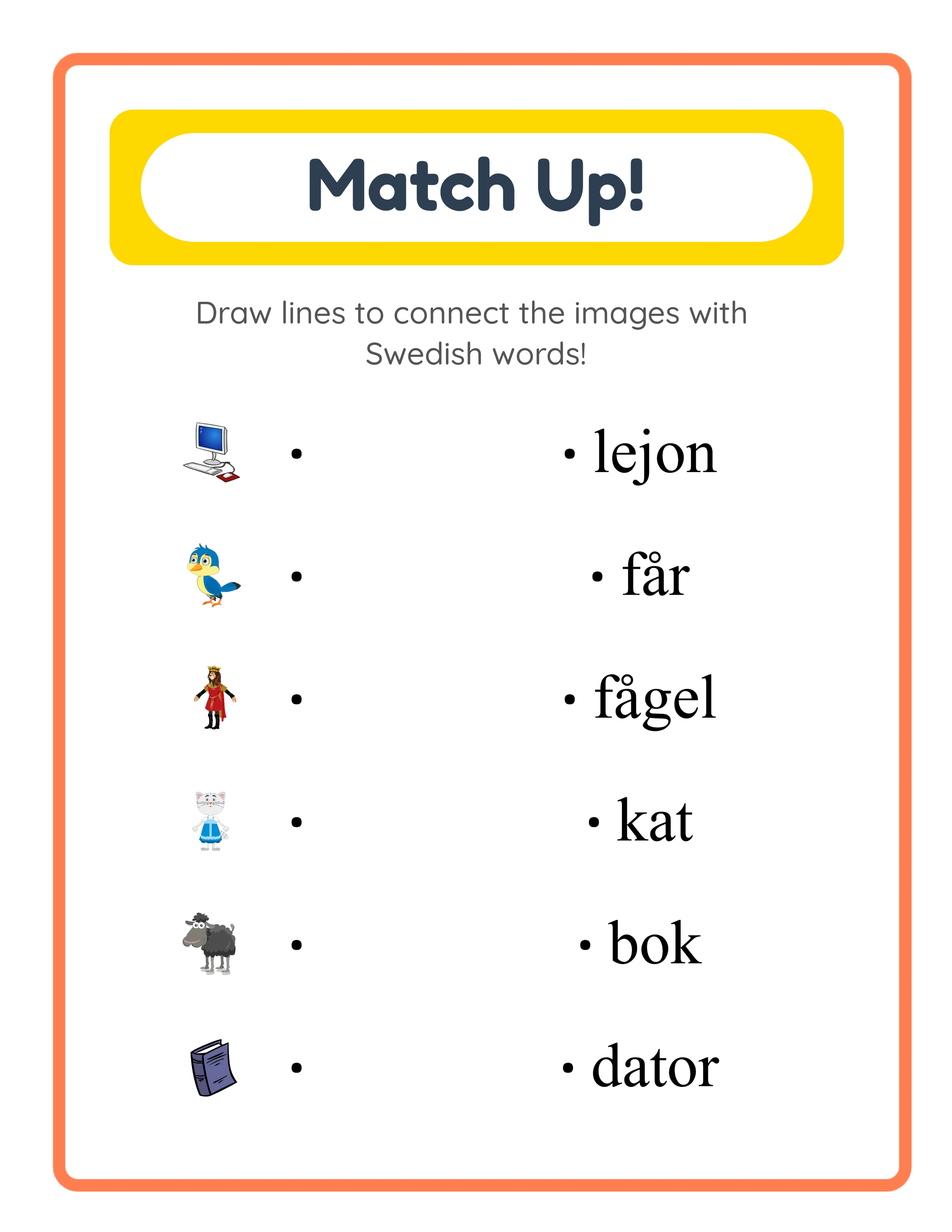
Matching worksheet with themed images for preschool workbook interior
Draw-a-line matching activities build visual discrimination and categorization skills

Theme Images

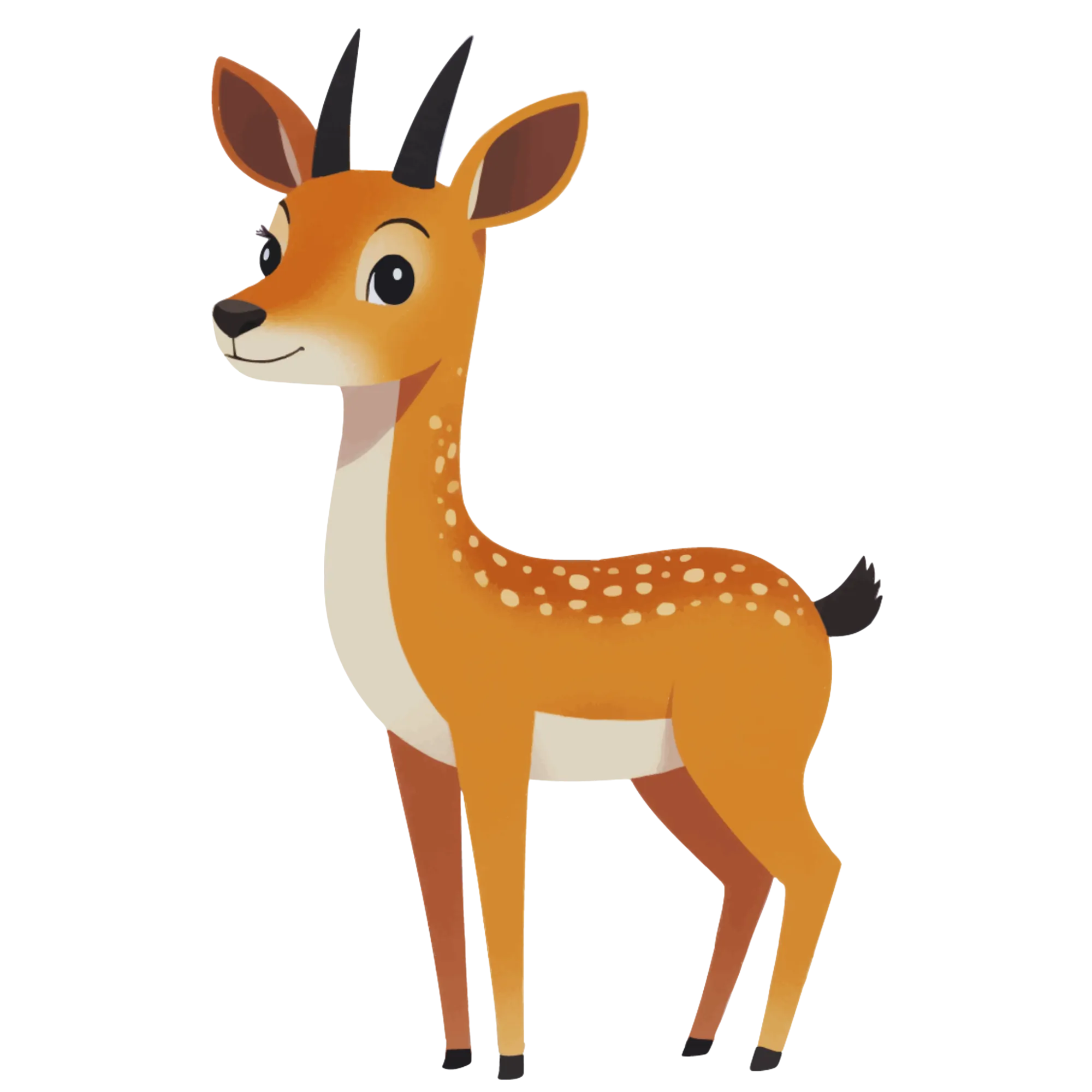
Antelope -- themed educational image
Antelope
Bat -- themed educational image
Bat
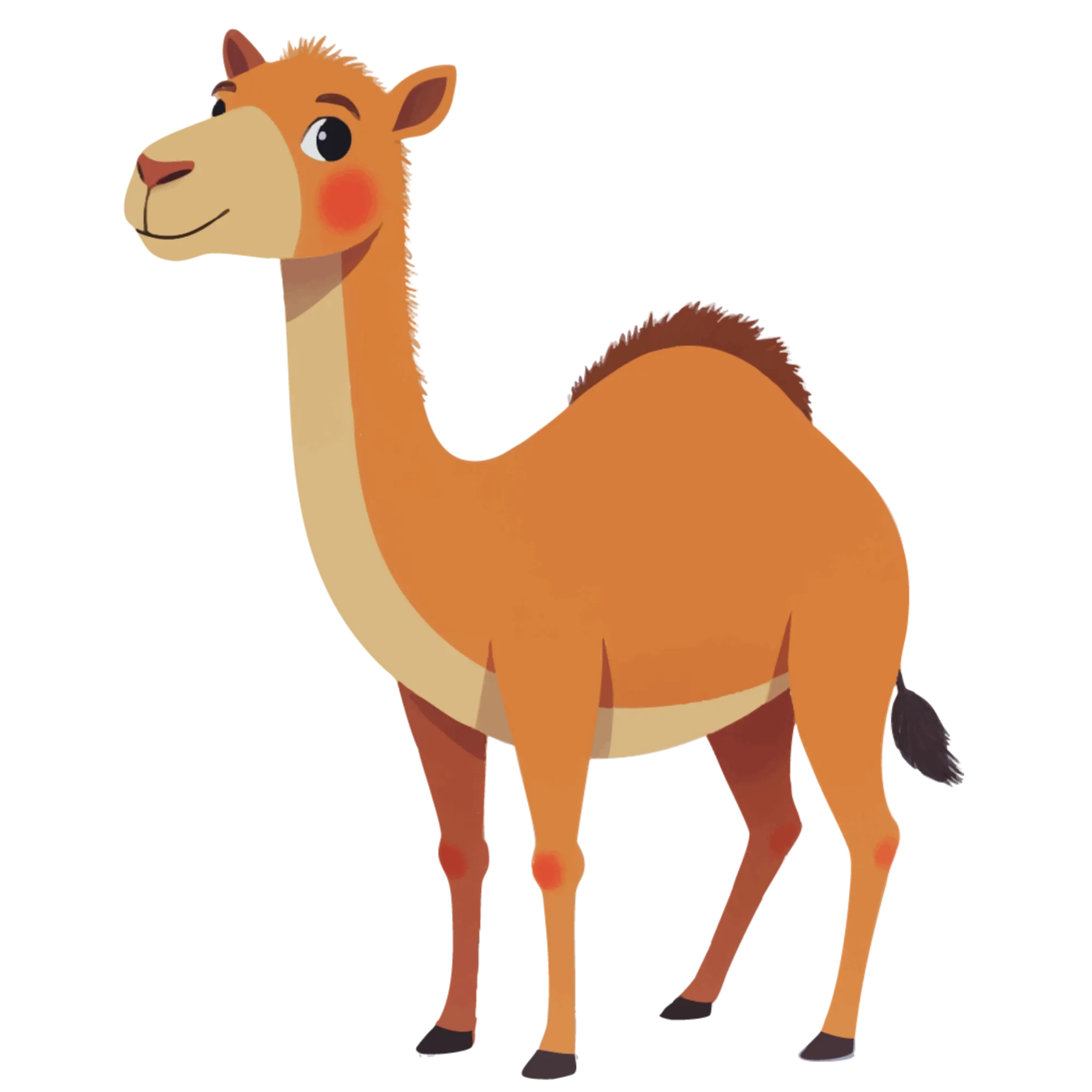
Camel -- themed educational image
Camel
Cat -- themed educational image
Cat
Dog -- themed educational image
Dog

Frequently Asked Questions

What age range should I target for my first preschool workbook?
Ages 3 to 5 is the optimal starting range. It captures the largest buyer segment (pre-K parents) and allows the broadest activity variety. Ages 2-3 is viable but requires simpler activities that some buyers find too basic. Ages 4-5 overlaps with kindergarten workbooks, creating more competition.
How many activity types should a preschool workbook include?
Four to six activity types provides ideal variety for preschool workbooks. The core four -- tracing, matching, coloring, and patterns -- cover the fundamental developmental skills parents expect. Adding size comparison and odd-one-out activities rounds out the offering without overwhelming the child.
Do preschool workbooks need answer keys?
Include answer keys for matching, patterns, and any activity with a correct answer. Tracing and coloring do not need answer keys since there is no single correct response. Group answer keys at the back of the book with clear page number references. Parents appreciate answer keys even when they seem obvious -- it saves them time verifying their child's work.
Should I include a certificate of completion?
Yes. A certificate of completion on the last page is a low-effort addition that parents consistently mention in positive reviews. It gives children a sense of accomplishment and parents a shareable moment. Include the book title, a "Completed by:" line for the child's name, and a "Date:" line.
Can I create preschool workbooks in languages other than English?
Yes. Preschool workbooks are primarily visual, so language is less of a barrier than with text-heavy books. Tracing, matching, coloring, and pattern activities require no reading. Only the title page, parent instructions, and section headers need translation. The 11-language support handles vocabulary for any themed word content.
What line thickness works best for preschool tracing activities?
Use a minimum of 3pt line thickness for ages 2-3 and 2pt for ages 3-5. Dotted tracing lines should use dots that are clearly visible at arm's length. The path between dots should be wide enough for a thick crayon mark. Test your pages by printing at home and having a child attempt them before publishing.
What is the refund policy for commercial licenses?
Every generator offers a free trial with watermark so you can test all features, create sample worksheets, and evaluate output quality before purchasing. Because you can fully evaluate the product before buying, all commercial license sales are final. This is standard practice for digital product tools where the full product can be previewed before purchase.

Ready to Start Creating?

Try any generator free with watermark. No signup required.

Browse All Generators