Create a Tracing Book for Amazon KDP

Line tracing books are one of the most quietly profitable niches on Amazon KDP. They require zero text content, which means a single book sells in every marketplace worldwide without translation. Toddlers and preschoolers trace curved, zigzag, and looped paths between colorful images -- building the fine motor control they need before writing letters. Parents search for these books constantly, and the production process is remarkably fast. This guide walks you through the entire workflow: choosing SVG templates, generating pages, compiling your KDP manuscript, and scaling to a full catalog of tracing books that earn royalties across every Amazon marketplace simultaneously.
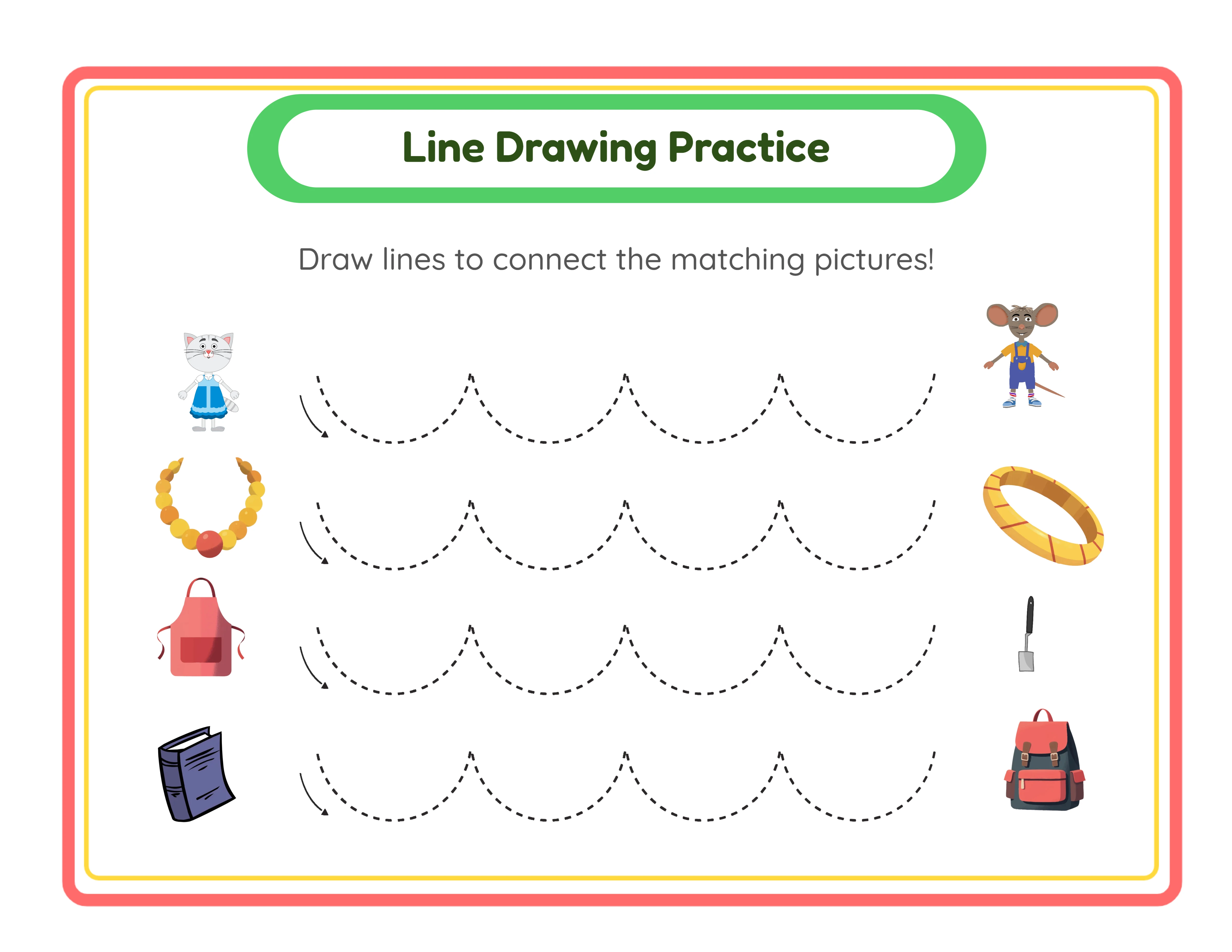
Line tracing worksheet with SVG path templates and themed images for KDP book interior

Introduction

Tracing books occupy a unique position in the Amazon KDP ecosystem. They target the toddler and preschool market -- ages 2 to 5 -- where parents are actively searching for screen-free activities that build developmental skills. Unlike puzzle books or coloring books that compete in crowded categories, tracing books sit in a sweet spot of consistent demand with manageable competition. The economics are compelling. A 100-page tracing book sells at $4.99 to $7.99 on Amazon. At the 60% royalty tier, you earn roughly $1.50 to $3.00 per copy after printing costs. The real advantage is reach: because tracing books are visual-only -- no text, no language dependency -- a single book interior works on every Amazon marketplace worldwide. One manuscript, published once, earns royalties from amazon.com, amazon.de, amazon.co.uk, amazon.fr, amazon.es, amazon.it, amazon.co.jp, and every other marketplace Amazon operates. The LessonCraftStudio drawing lines generator is purpose-built for this workflow. It offers 8 distinct SVG line templates -- horizontal, vertical, diagonal, zigzag, wavy, spiral, looped, and mixed -- each generating unique tracing paths between themed image endpoints. The 104 themed image collections mean you can create animal tracing books, vehicle tracing books, food tracing books, and dozens more niche variations without repeating content. This guide covers everything from template selection and difficulty progression to KDP formatting, cover design, and catalog scaling strategies. Every feature described here is available in the free trial with watermark, so you can generate sample pages and test the full workflow before purchasing a commercial license.
Try It Free with Watermark

Try any generator free with watermark. No signup required.

Tutorial

1

Understanding the Toddler and Preschool Book Market on KDP

Before creating a single tracing page, you need to understand who buys these books and what they expect. The primary buyer is a parent -- usually a mother -- shopping for screen-free activities for a child aged 2 to 5. She searches Amazon for terms like "tracing book for toddlers," "pre-writing activity book," "fine motor skills workbook," or "preschool tracing practice." She evaluates books based on four criteria: age-appropriateness of the content, visual appeal of the pages, page count (perceived value), and price. The secondary buyer is a grandparent purchasing a gift. Grandparents tend to spend slightly more and favor books with clear developmental benefits described on the cover and in the listing. Key market characteristics: Visual-only content sells globally. Unlike a word search or crossword book that requires language-specific content, a tracing book with images and paths works for any child in any country. This is a massive advantage on KDP because you publish once and earn from every marketplace. Age segmentation drives sales. Books marketed as "ages 2-3" sell to different buyers than "ages 3-5" or "ages 4-6." The same tracing content at different difficulty levels creates multiple distinct products. Themed books outperform generic ones. "Animal Tracing Book for Toddlers" converts better than "Tracing Practice Book" because parents searching for animal activities find a specific match. Seasonal themes spike hard. Christmas tracing books, Halloween tracing books, and Easter tracing books see dramatic sales increases 4 to 6 weeks before each holiday.
2

Choosing SVG Templates and Difficulty Progression

The drawing lines generator offers 8 SVG line templates, each creating a different tracing path between two themed images. Understanding these templates is essential for designing books with proper difficulty progression. Horizontal lines: The simplest template. A straight horizontal path connects two images. This is the starting difficulty for ages 2 to 3 who are just learning to hold a pencil and draw from left to right. Vertical lines: Straight vertical paths from top to bottom. Slightly harder than horizontal because the hand movement is less natural for most children. Good as the second difficulty level. Diagonal lines: Angled paths that cross the page at various angles. These require more hand-eye coordination and are appropriate for ages 3 to 4. Zigzag lines: Sharp-cornered back-and-forth paths. Children must stop, change direction, and continue -- building pencil control. Suitable for ages 3 to 4. Wavy lines: Smooth curved paths that flow across the page. These develop the fluid hand movements needed for cursive writing later. Good for ages 3 to 5. Spiral lines: Circular inward or outward paths. These require continuous curved movement with decreasing or increasing radius. Appropriate for ages 4 to 5. Looped lines: Paths with loops and curves that mimic cursive letter formations. The most advanced template, suitable for ages 4 to 6. Mixed lines: A combination of multiple path types on a single page. Use this for variety pages or for advanced practice sections. For a well-structured tracing book, arrange pages in difficulty order: start with horizontal, progress through vertical and diagonal, introduce zigzag and wavy, and finish with spiral and looped paths. This natural progression gives the book a clear learning arc that parents appreciate.
3

Generating Tracing Pages with Themed Images

Open the drawing lines generator and configure your first set of tracing pages. Here is the optimal workflow for KDP book production. Step 1: Select a theme. Choose from the 104 themed image collections. For a toddler tracing book, popular themes include animals (farm, jungle, ocean, pets), vehicles (cars, trucks, planes), food (fruits, vegetables, sweets), and nature (flowers, trees, weather). Each theme provides a coherent visual identity throughout the book. Step 2: Choose an SVG template. Start with horizontal lines for the opening section of your book. The generator places themed images at the start and end of each tracing path, creating a visual reward for completing the trace. Step 3: Configure page layout. For KDP at 8.5 x 11 inches, set 3 to 4 tracing paths per page for easy difficulty (ages 2-3) or 5 to 6 paths per page for medium difficulty (ages 3-5). Fewer paths per page means larger images and wider tracing paths -- better for younger children with developing motor control. Step 4: Generate and preview. The generator creates the page instantly. Preview it to verify that images are clear, paths are the right width, and spacing is even. The tracing paths are generated as dashed lines that children follow with their pencil. Step 5: Export as PDF. Export at 300 DPI for KDP print quality. Each page exports as a separate PDF file. Step 6: Repeat with different templates. Generate 15 to 20 pages per template type, varying the theme images. For a 100-page book, you might use: 15 horizontal, 15 vertical, 15 diagonal, 15 zigzag, 15 wavy, 10 spiral, 10 looped, and 5 mixed pages. Total generation time for a 100-page book: approximately 2 to 3 hours, including previewing and organizing files.
4

Pairing Tracing Books with Size Comparison and Matching Activities

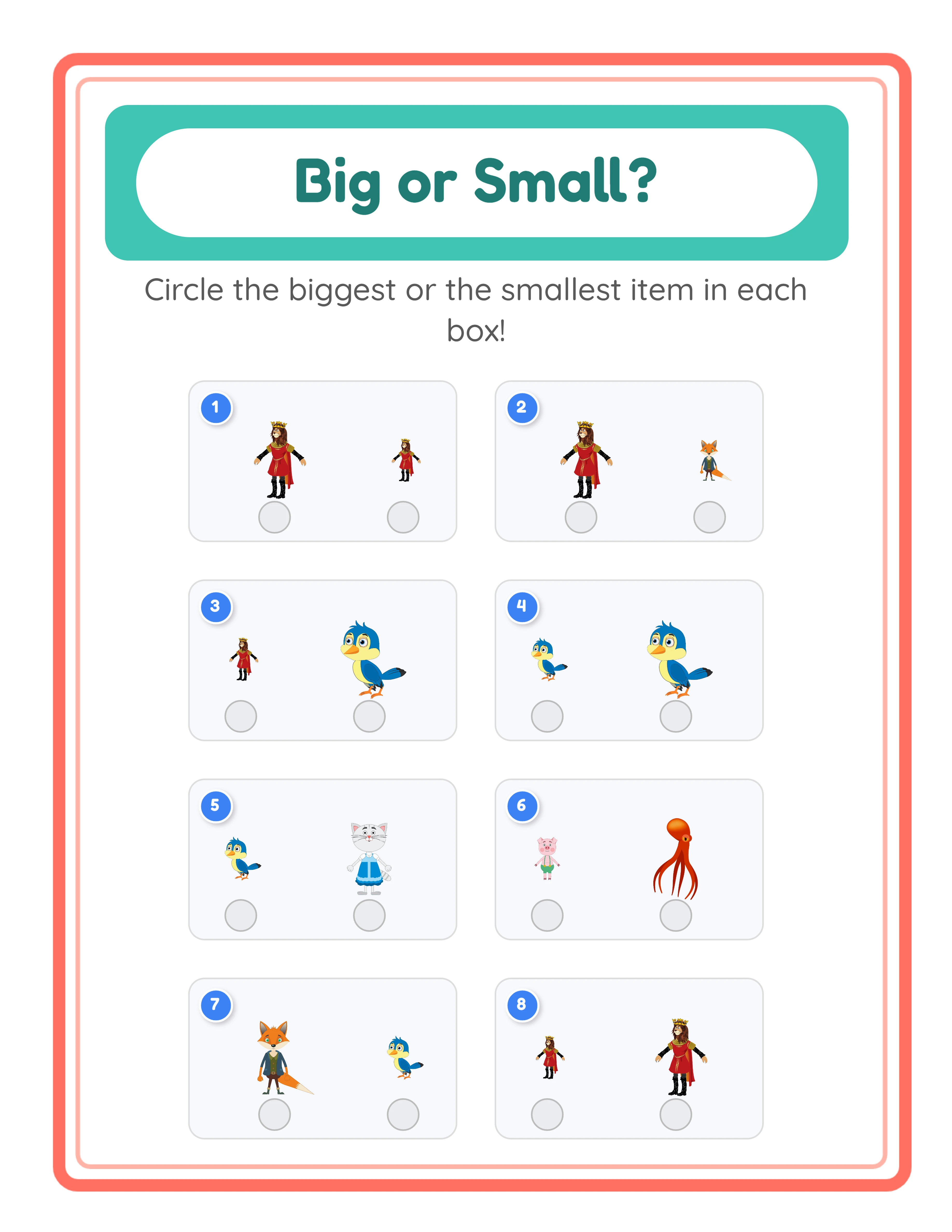
A pure tracing book works well, but adding complementary activities transforms it into a premium "activity book" that commands a higher price point on KDP. The Big & Small generator creates size comparison pages where children identify the larger or smaller image in a themed set. These pages use the same themed images as your tracing pages, maintaining visual consistency. Insert 10 to 15 size comparison pages between tracing sections as "brain break" activities. The Matching generator creates draw-a-line matching exercises where children connect related images. A farm animal matching page might pair a cow with milk, a chicken with an egg, or a sheep with wool. These matching activities reinforce the tracing skill (drawing a line between two points) while adding cognitive challenge. Here is a sample book structure combining all three activity types: Pages 1-20: Horizontal and vertical tracing (easiest) Pages 21-25: Big & Small comparison activities Pages 26-45: Diagonal and zigzag tracing (medium) Pages 46-50: Matching activities Pages 51-70: Wavy and spiral tracing (harder) Pages 71-75: More Big & Small activities Pages 76-95: Looped and mixed tracing (hardest) Pages 96-100: Final matching activities This mixed-activity structure lets you title the book "Tracing & Activity Book for Toddlers" or "Pre-Writing Activity Workbook" -- both of which target additional keywords and justify a higher price point of $7.99 to $9.99. The key advantage: all three generators use the same 104 themed image collections, so your animal tracing book, animal size comparison pages, and animal matching pages all share a cohesive visual identity.
5

Compiling Your Tracing Book Manuscript for KDP

With all your tracing pages generated and exported as individual PDFs, compile them into a single KDP manuscript. Manuscript structure for a tracing book: Page 1: Title page with book title, subtitle, age range, and publisher name Page 2: Copyright page with standard copyright notice and commercial license reference Page 3: A simple "How to Use This Book" page with icons showing a pencil tracing a path (keep this visual, not text-heavy, to maintain the language-free advantage) Pages 4-103: Tracing activity pages arranged in difficulty progression Page 104: Optional "Certificate of Completion" page that parents can fill in with the child's name Formatting requirements for KDP: Trim size: 8.5 x 11 inches is the standard for toddler activity books. Some publishers also use 8 x 10 for slightly lower printing costs. Interior type: Black and white for maximum royalty. The tracing paths and images print in grayscale, which is perfectly suitable for activity books. Bleed: Select "no bleed" since tracing paths do not extend to page edges. Margins: KDP requires minimum 0.75-inch inside margin and 0.25-inch outside margins for books over 150 pages. For books under 150 pages, the inside margin minimum is lower. Check KDP's margin calculator for your exact page count. File format: Single PDF, all pages combined. Use PDFsam Basic or any PDF merger to combine individual page exports into one manuscript file. Quality check before upload: Open the merged PDF and verify every page. Check that no tracing paths are cut off at margins, all images render clearly, and pages are in the correct difficulty order. Order a proof copy before launching to verify print quality.
6

Creating Covers That Sell Tracing Books

The cover is your primary sales tool on Amazon. For tracing books, the cover must communicate three things instantly: what the book is, who it is for, and what skill it develops. Front cover elements: Title: Large, playful font. "My First Tracing Book" or "Line Tracing Fun for Toddlers" in a font that feels child-friendly but is legible at thumbnail size. Age range: Prominently displayed. "Ages 2-4" or "For Preschoolers" immediately tells the parent this book matches their child's developmental stage. Sample tracing path: Show an actual dashed line path with a cute image at each end. This instantly communicates what the book contains. Theme indicator: If your book is themed (animals, vehicles, food), include 3 to 4 of those theme images on the cover. Colorful background: Use bright, appealing colors. Toddler books with white or neutral covers underperform compared to colorful ones in Amazon search results. Back cover elements: Bullet points: "100 Tracing Activities," "8 Different Path Types," "Progressive Difficulty," "Fun Themed Images" Age range repeated: Parents often check the back cover for confirmation Sample page preview: A small thumbnail of an interior page ISBN barcode area: KDP places this automatically Cover design tools: Canva has KDP cover templates with exact dimensions. Enter your trim size and page count into KDP's cover calculator to get the precise cover dimensions including spine width.
7

Publishing and Optimizing Your KDP Listing

Navigate to kdp.amazon.com and create your new paperback listing. Title: Descriptive and keyword-rich. Examples: - "Line Tracing Book for Toddlers: 100 Fun Pre-Writing Activities for Ages 2-4" - "My First Tracing Workbook: Animal Paths for Preschool Fine Motor Skills" - "Trace the Lines: A Toddler Activity Book with 100 Tracing Exercises" Subtitle: Add details not covered in the title. "Zigzag, Wavy, Spiral & Loop Paths with Cute Animal Images -- Ages 2 to 5" Description: Write 300 to 800 words describing the book contents. Emphasize developmental benefits (fine motor skills, pencil control, pre-writing readiness), describe the difficulty progression, list the SVG template types included, mention the theme, and state the page count. Use HTML formatting for readability. Keywords (7 slots): - "tracing book for toddlers ages 2-4" - "pre writing activity book preschool" - "fine motor skills workbook toddler" - "line tracing practice for kids" - "preschool tracing activities" - "toddler activity book ages 2-3" - "handwriting readiness workbook" Categories: Select "Children's Activity Books" and "Early Learning" or "Handwriting Practice." Check available sub-categories for your marketplace. Pricing: For a 104-page 8.5 x 11 book: - US marketplace: $5.99 to $6.99 (sweet spot for toddler activity books) - European marketplaces: adjust for higher printing costs - The 60% royalty tier applies for books priced $2.99 to $9.99 Publish to all available marketplaces simultaneously. Since the content is visual-only, no marketplace-specific changes are needed. Your single manuscript works everywhere.
8

Scaling to a Full Tracing Book Catalog

One tracing book generates modest income. A catalog of 10 to 20 tracing books creates a reliable revenue stream. Here are proven scaling strategies. Age-segmented series: Create the same theme at different difficulty levels. "Animal Tracing -- Ages 2-3" uses only horizontal and vertical paths with 3 per page. "Animal Tracing -- Ages 3-4" adds diagonal and zigzag with 4 per page. "Animal Tracing -- Ages 4-5" includes spiral and looped paths with 5 per page. Three products from one theme. Theme expansion: The generator's 104 themed image collections give you 104 potential themed tracing books. Start with the highest-demand themes (animals, vehicles, dinosaurs, unicorns) and expand based on sales data. Seasonal books: Christmas tracing books, Halloween tracing books, Valentine's Day tracing books, and Easter tracing books spike in demand before each holiday. Create these during off-peak months and have them ready when demand surges. Mixed-activity compilations: Combine tracing with size comparison and matching exercises for premium "activity workbook" products at higher price points. Bundle books: "Mega Tracing Book: 250 Activities for Toddlers" at $9.99 to $12.99 targets buyers looking for maximum value. Compile your best pages from multiple themes into one large volume. The compounding effect is powerful. Twenty tracing books each selling 1 to 2 copies per day at $1.00 to $2.00 royalty generates $600 to $1,200 per month. Because the content is visual-only, every sale from every marketplace contributes -- there is no language barrier limiting your market reach.
Platform Tips

KDP Formatting Tips Specific to Tracing Books

Tracing books have formatting nuances that differ from standard text or puzzle books on KDP. Line weight matters for print. The tracing paths need to be thick enough to see clearly in print but thin enough that a child can trace along them. A dashed line weight of 2 to 3 points works well for most tracing exercises. The generator's default line weight is optimized for 300 DPI print output. Single-sided printing consideration: KDP prints on both sides of the page by default. For tracing books where children press hard with pencils or crayons, some publishers prefer to add blank pages between activity pages (effectively making it single-sided). This doubles your page count and increases printing costs, but parents appreciate it and mention it positively in reviews. Decide based on your target price point. Page numbering: Toddler activity books typically do not include page numbers. The children cannot read numbers yet, and page numbers add visual clutter to clean activity pages. Image quality at print size: The generator exports at 300 DPI, which meets KDP's minimum requirement. Verify that themed images remain clear and detailed at the printed size. Order a proof copy to check before investing in advertising. Gutter margin awareness: For books over 100 pages, increase the inside (gutter) margin to 0.875 inches. This prevents tracing paths near the binding from being difficult to reach when the book is open flat.

Keyword Strategy for Toddler Activity Books

Amazon keyword research for the tracing book niche reveals specific patterns that drive sales. Parents search by age first. The most common search pattern is "[activity type] for [age range]" -- "tracing book for 2 year old," "activity book for toddlers 3-4," "pre-writing workbook ages 2-3." Always include the target age range in your title, subtitle, and keywords. Developmental benefit keywords convert well. Parents of toddlers are highly aware of developmental milestones. Keywords like "fine motor skills," "pencil control," "pre-writing readiness," "hand-eye coordination," and "handwriting preparation" signal that the book has educational value beyond simple entertainment. Theme-specific searches drive discovery. "Animal tracing book toddler," "dinosaur activity book preschool," and "unicorn tracing for girls" are all real search queries with purchase intent. These long-tail keywords have less competition than generic terms. Gift-related keywords spike seasonally. "Toddler gift activity book," "preschool birthday gift," and "stocking stuffer toddler" drive significant Q4 traffic. Include at least one gift-oriented keyword in your 7 keyword slots. Competitor title analysis: Search Amazon for "tracing book toddler" and study the titles of the top 20 results. Note recurring keywords and phrases. These represent proven search terms that buyers actually use.

Pricing and Print Cost Optimization

Tracing books have specific pricing dynamics driven by the toddler activity book market on KDP. The price sweet spot is $4.99 to $6.99. Parents buying toddler activity books expect affordable prices because children work through these books quickly. Pricing above $8.99 for a standard tracing book significantly reduces conversion. Print cost management: A 104-page 8.5 x 11 black and white book costs approximately $3.50 to print on KDP (US). At $5.99 list price with 60% royalty, your gross royalty is $3.59 minus $3.50 = $0.09 per copy. That margin is too thin. Solution: Target 50 to 80 pages for pure tracing books. A 64-page book at $5.99 costs approximately $2.50 to print, yielding $1.09 per copy. Alternatively, use the 8 x 10 trim size, which has slightly lower printing costs than 8.5 x 11. Premium pricing strategy: Mixed-activity books (tracing + matching + size comparison) justify $7.99 to $9.99 because they offer more variety. The added page types do not significantly increase production time since all generators share the same themed image library. International pricing: Set marketplace-specific prices. European printing costs are higher, so price European editions $1 to $2 higher than US editions. Since your tracing book content is language-free, there is no reason not to list on every marketplace Amazon offers.

Monetization Strategies

Revenue Projections for Tracing Book Catalogs

Realistic revenue expectations help you plan your production schedule and investment. Single book performance: A well-optimized tracing book on Amazon sells 1 to 4 copies per day in its first year. At $0.75 to $1.50 royalty per copy (depending on page count and pricing), one book generates $22 to $180 per month. Catalog multiplier: Revenue scales with catalog size. Ten tracing books averaging 2 copies per day per book at $1.00 royalty = $20 per day = $600 per month. This is achievable within 3 to 6 months of consistent publishing. Global marketplace multiplier: Because tracing books are visual-only, every Amazon marketplace contributes sales without additional work. A book selling 3 copies per day on amazon.com might add 0.5 to 1 copy per day from amazon.co.uk, amazon.de, amazon.fr, and other marketplaces combined. That is a 15% to 30% revenue boost for zero extra effort. Seasonal peaks: Holiday-themed tracing books see 3x to 5x normal sales during their peak period. A Christmas tracing book selling 2 copies per day in September might sell 6 to 10 copies per day in November and December. Break-even timeline: Your primary investment is time (2 to 3 hours per book for generation) plus the commercial license fee. Most publishers recoup their license cost within 4 to 8 weeks of their first few publications, then earn ongoing royalties indefinitely.

Building a Series Brand for Maximum Cross-Selling

Series branding is the single most effective strategy for increasing per-customer revenue on KDP. Create a consistent brand identity across all your tracing books. Use the same cover template, color scheme, font, and layout. Name your series something memorable: "Little Tracers," "Path Explorers," "Trace & Learn," or a unique brand name. When a parent buys one book and their child enjoys it, they look for more from the same series. Amazon's Series feature links your books together on the product page. Buyers see "Book 1 of 12 in the Little Tracers series" and can browse all titles. This drives discovery without advertising spend. Cross-selling structure: Level 1 (ages 2-3): Horizontal and vertical paths only, 3 per page, large images Level 2 (ages 3-4): Add diagonal and zigzag, 4 per page Level 3 (ages 4-5): Add wavy, spiral, and looped, 5 per page Level 4 (ages 5-6): Mixed paths including advanced curves, 6 per page Each level exists across multiple themes (animals, vehicles, food, etc.), creating a matrix of products. A parent who buys "Little Tracers Level 1: Animals" might purchase Level 2: Animals next, or Level 1: Vehicles, or both. Include a catalog page at the back of every book showing all available titles in the series with Amazon search terms for finding them.

Advertising Strategy for Toddler Activity Books

Amazon Ads is the primary paid channel for KDP books. Here is how to advertise tracing books effectively. Sponsored Products: Start with automatic targeting at $5 per day. Amazon's algorithm finds relevant placements based on your book's title, description, and categories. After 2 weeks, download the search term report to identify which keywords drive sales. Manual campaigns: Create exact-match campaigns for your top-performing search terms from the automatic campaign. Typical high-converting terms include "tracing book for 2 year old," "toddler activity book," and "pre-writing workbook for preschool." Bid strategy: Start at $0.35 to $0.50 per click for tracing book keywords. Adjust bids based on ACoS (Advertising Cost of Sales). Target ACoS below 60% for sustainable advertising. If a keyword's ACoS exceeds 80% after 100 clicks, either lower the bid or pause it. Product targeting ads: Target competitor tracing books directly. When a buyer views a competitor's book, your ad appears as a "Sponsored" suggestion. This is effective when your book has a clear advantage (more pages, better reviews, lower price). Seasonal ad scaling: Increase daily budgets to $10 to $15 during Q4 (September through December) when gift-buying drives activity book sales. Reduce budgets in January when demand drops. Organic promotion: Share sample tracing pages on Pinterest -- the top discovery platform for toddler activities. Create pins linking to your Amazon listing. Pinterest traffic converts well for activity books because parents actively search for printable activities on the platform.

Examples

Complete KDP Tracing Book Blueprint: Farm Animals Theme

Here is a concrete example of a tracing book you can create and publish this week. Book concept: "Farm Animal Tracing Fun: 60 Pre-Writing Activities for Toddlers Ages 2-4" Specifications: - Trim size: 8.5 x 11 inches - Page count: 68 pages (2 front matter + 60 activity + 4 bonus + 2 back matter) - Interior: Black and white, no bleed - Theme: Farm animals (cows, pigs, horses, chickens, sheep, ducks, goats, roosters) Page breakdown by template: - Pages 3-12: Horizontal tracing (10 pages, 3 paths each) - Pages 13-22: Vertical tracing (10 pages, 3 paths each) - Pages 23-32: Diagonal tracing (10 pages, 4 paths each) - Pages 33-42: Zigzag tracing (10 pages, 4 paths each) - Pages 43-52: Wavy tracing (10 pages, 4 paths each) - Pages 53-62: Looped tracing (10 pages, 5 paths each) - Pages 63-66: Big & Small comparison with farm animal images (bonus) - Pages 67-68: Matching activity with farm animal pairs (bonus) Generation workflow: 1. Open the drawing lines generator, select "Farm Animals" theme 2. Choose horizontal SVG template, set 3 paths per page 3. Generate 10 pages, export each as PDF 4. Switch to vertical template, repeat 5. Continue through all template types 6. Open Big & Small generator with same farm animal theme for bonus pages 7. Open Matching generator for final bonus pages 8. Merge all PDFs in order with title page and copyright page Estimated time: 2 to 3 hours total Pricing: $5.99 Estimated monthly revenue: $25 to $80 (at 1 to 3 copies per day)

Multi-Theme Series Blueprint: 6 Books From One Workflow

This blueprint shows how to create a complete series efficiently. Series name: "Trace & Discover" (6 themed volumes) Volume 1: Farm Animals -- cows, pigs, horses, chickens Volume 2: Ocean Animals -- fish, octopus, whale, turtle Volume 3: Vehicles -- car, truck, airplane, boat Volume 4: Fruits & Vegetables -- apple, carrot, banana, tomato Volume 5: Dinosaurs -- t-rex, triceratops, stegosaurus, pterodactyl Volume 6: Bugs & Insects -- butterfly, ladybug, caterpillar, bee Each volume: 64 pages, same template progression, same cover design template with different theme images and colors. Production schedule: - Day 1: Generate all pages for Volume 1 (2 hours) + compile manuscript (30 min) - Day 2: Volumes 2 and 3 (faster because workflow is established) - Day 3: Volumes 4, 5, and 6 - Day 4: Create 6 covers using Canva template (swap images and colors) - Day 5: Upload all 6 listings to KDP Total time: Approximately 15 to 20 hours across 5 days for 6 published books. Expected results (after 3 months of sales): - Each book: 1 to 2 copies per day at $1.00 royalty - 6 books combined: 6 to 12 copies per day - Monthly revenue: $180 to $360 - Annual revenue: $2,160 to $4,320 from one week of work Once the series performs, expand with 6 more themes. A 12-book series with consistent branding and Amazon's Series feature creates significant cross-selling momentum.

Sample Worksheets

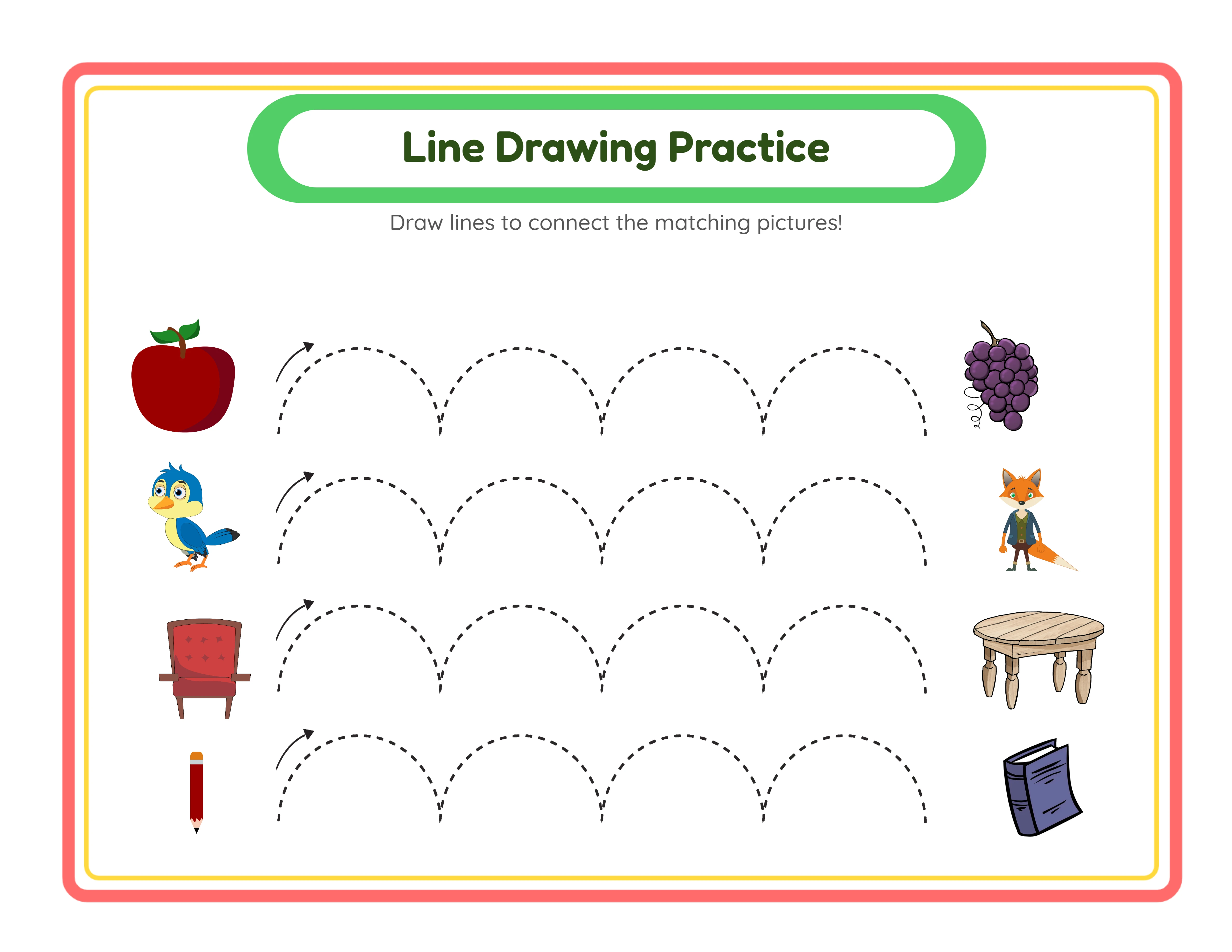
Tracing worksheet page with dashed line paths and themed image endpoints
A tracing page with horizontal paths between themed images -- exported at 300 DPI for KDP print quality
Size comparison worksheet with themed images at different scales
Big & Small comparison pages add variety to tracing books while using the same themed image sets

Theme Images

Cow -- themed educational image
Cow
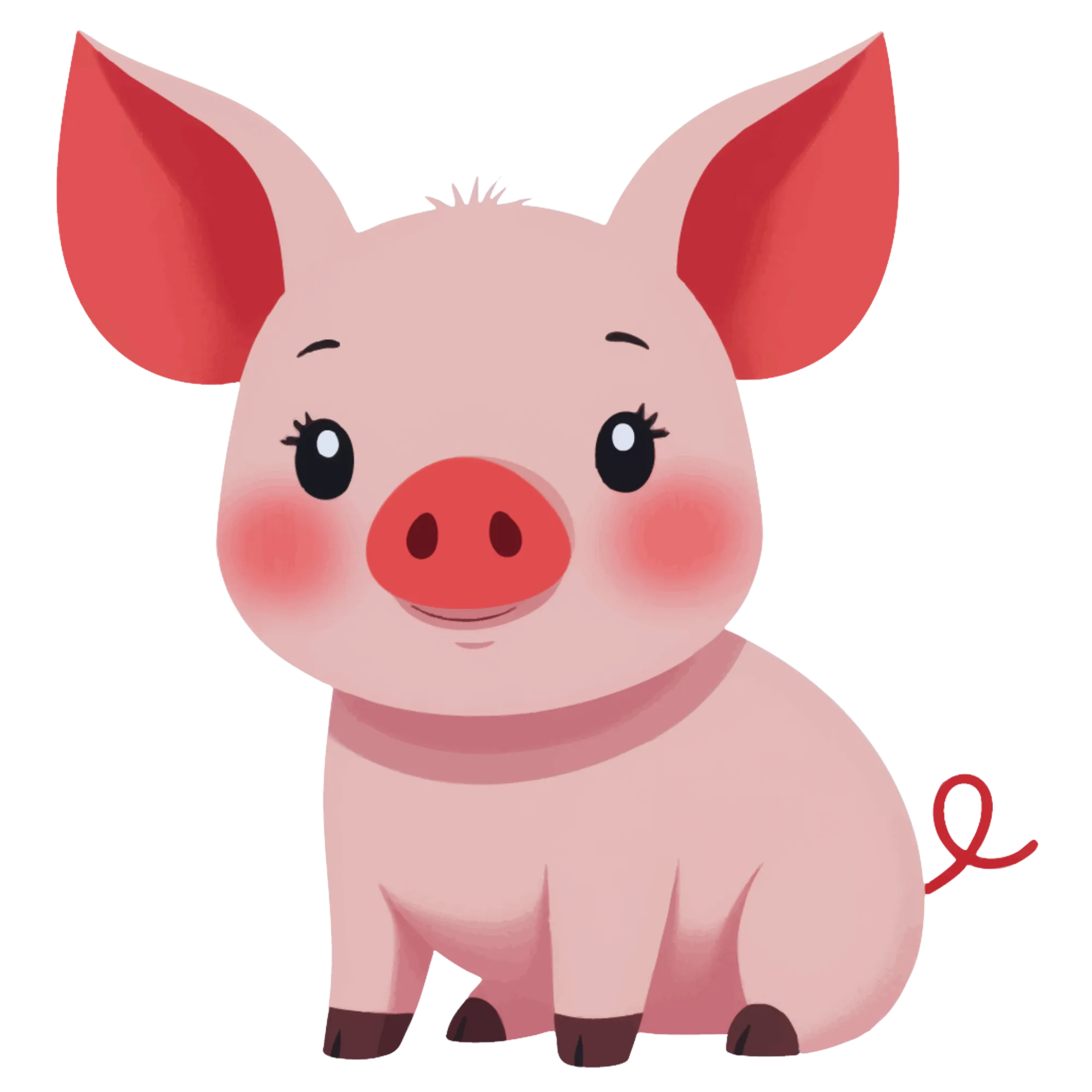
Pig -- themed educational image
Pig
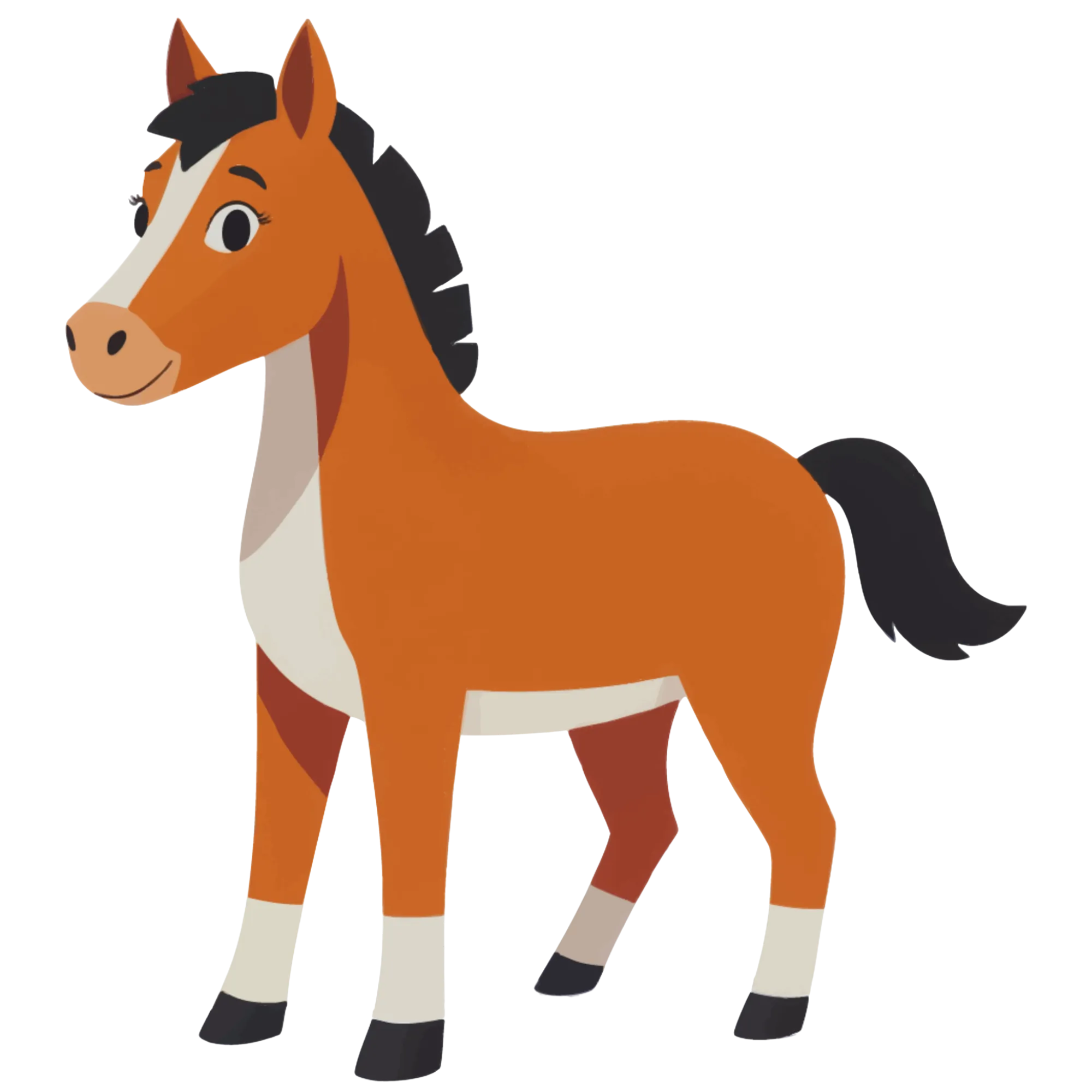
Horse -- themed educational image
Horse
Chicken -- themed educational image
Chicken
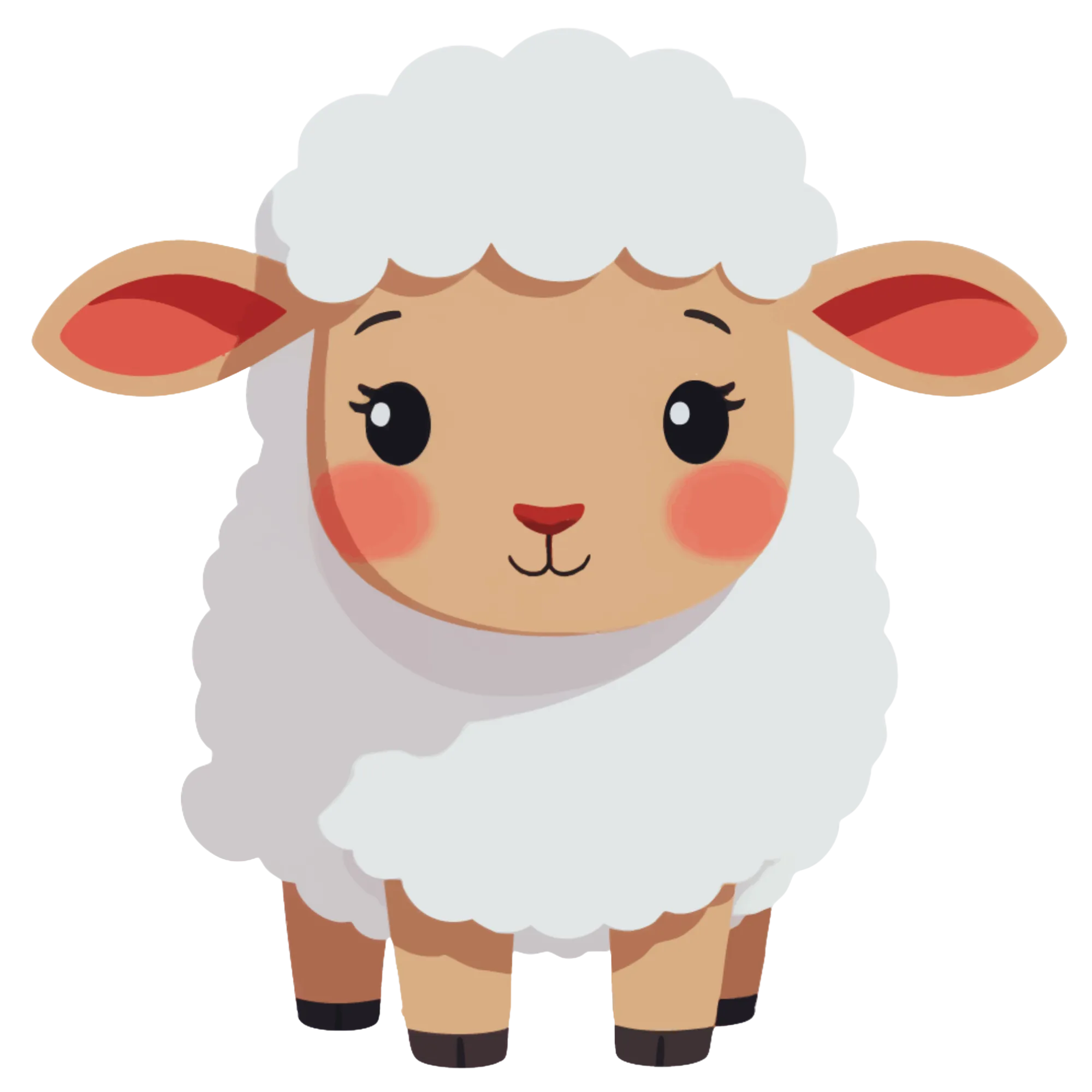
Sheep -- themed educational image
Sheep

Frequently Asked Questions

What SVG line templates work best for KDP tracing books?
For toddler books (ages 2-3), horizontal and vertical templates are best because they match the simplest motor movements. For preschool books (ages 3-5), zigzag and wavy templates add appropriate challenge. The generator offers 8 templates total: horizontal, vertical, diagonal, zigzag, wavy, spiral, looped, and mixed. A well-structured book uses multiple templates arranged in difficulty progression from easiest to hardest.
Do tracing books need to be translated for international KDP marketplaces?
No -- this is the biggest advantage of tracing books. Because the content is entirely visual (SVG paths between images with no text), a single book interior works on every Amazon marketplace worldwide. You publish one manuscript and earn royalties from amazon.com, amazon.de, amazon.co.uk, amazon.fr, and all other marketplaces. The only translation needed is for the cover title and listing metadata.
How many tracing paths should I put on each page?
For ages 2-3, use 3 paths per page with large images and wide tracing lines. For ages 3-4, use 4 paths per page. For ages 4-5, use 5 to 6 paths per page with thinner lines. Fewer paths per page creates an easier, less overwhelming experience for younger children. More paths increase the perceived value and page density for older children.
What page count and price point work best for KDP tracing books?
The optimal range is 50 to 80 pages priced at $4.99 to $6.99. A 64-page 8.5 x 11 book costs approximately $2.50 to print on KDP, leaving $1.00 to $1.50 royalty per copy at the 60% tier. Going above 100 pages increases printing costs faster than you can raise the price, compressing margins.
Can I combine tracing pages with other activity types in one book?
Yes, and this is a recommended strategy. Combining tracing with size comparison pages (from the Big & Small generator) and matching exercises (from the Matching generator) creates a premium "activity workbook" that justifies a higher price point of $7.99 to $9.99. All three generators share the same 104 themed image collections, so the visual style remains consistent throughout the book.
Should I use color or black and white interiors for tracing books?
Black and white interiors are recommended for KDP tracing books. The printing cost difference is substantial -- black and white costs roughly $0.012 per page while color costs $0.07 per page. For a 64-page book, that is $0.77 versus $4.48 in printing costs. Since tracing activities work perfectly in grayscale, the higher cost of color printing directly reduces your royalty without adding meaningful value for the buyer.
What is the refund policy for commercial licenses?
Every generator offers a free trial with watermark so you can test all features, generate sample tracing pages, and evaluate output quality before purchasing. Because you can fully evaluate the product before buying, all commercial license sales are final. This is standard practice for digital product tools where the full product can be previewed before purchase.

Ready to Start Creating?

Try any generator free with watermark. No signup required.

Browse All Generators