Tutorial
1
Understanding the Kids Activity Book Market on KDP
The kids activity book market segments by age, theme, and occasion. Understanding these segments determines your product strategy.
Age segments:
Ages 2-4 (Toddler): Simple activities with large images. Coloring pages with thick outlines, basic tracing, big-picture counting. Pages should have minimal complexity. This age group cannot read, so all activities must be purely visual.
Ages 4-6 (Pre-K/Kindergarten): Coloring with medium detail, simple word searches (8x8 grid, horizontal/vertical only), basic counting, easy matching. Children in this range are developing fine motor skills and beginning letter recognition.
Ages 6-8 (Early Elementary): More complex coloring, word searches up to 12x12, find-and-count with 5 to 8 target objects, simple crosswords, and basic mazes. Reading ability varies, so image-based clues work better than text-only.
Ages 8-10 (Upper Elementary): Detailed coloring, word searches up to 15x15 with diagonals, crossword puzzles, word scrambles, and complex find-and-count scenes. This age group can handle text-based activities but still prefers visual engagement.
Theme segments: Animals (farm, ocean, jungle, dinosaurs, pets) are the perennial top sellers. Holidays (Christmas, Halloween, Easter, Valentine's) spike seasonally. Fantasy (unicorns, dragons, pirates, space) attracts specific niche audiences. Nature (flowers, weather, seasons) appeals to parents seeking educational content.
Occasion segments: Travel activity books ("keep kids busy on planes/road trips"), screen-free activity books ("unplug with fun activities"), holiday activity books ("Christmas fun for kids"), and educational activity books ("learning through play").
2
Planning Your Themed Activity Book Structure
The most successful kids activity books on KDP share a common structural pattern: a focused theme with varied activities that rotate to maintain engagement.
Step 1: Choose your theme. Select one of the 104 themed image collections. For your first book, choose a high-demand evergreen theme: animals, dinosaurs, ocean life, or vehicles. These themes sell year-round without seasonal dependency.
Step 2: Select 4 to 5 activity types. A strong kids activity book includes at least 4 different activity types. Recommended combination:
- Coloring pages (30% of the book) -- the anchor activity that every buyer expects
- Word search puzzles (25%) -- the most popular puzzle format for kids
- Find-and-count / I-Spy pages (20%) -- visually engaging counting games
- Matching or crossword activities (15%) -- cognitive challenge
- Bonus activities: drawing, tracing, or spot-the-difference (10%)
Step 3: Plan the page flow. Do not group all activities by type. Instead, rotate activity types throughout the book:
Pages 5-6: Coloring
Pages 7-8: Word search
Pages 9-10: Find-and-count
Pages 11-12: Coloring
Pages 13-14: Matching/crossword
Pages 15-16: Coloring
...and so on.
This rotation prevents monotony and keeps children engaged through the entire book. A child who gets tired of coloring encounters a word search on the next page, then an I-Spy game, then back to coloring. The variety makes the book last longer and generates better reviews.
Step 4: Determine page count. For ages 4-6, aim for 50 to 80 activity pages. For ages 6-10, aim for 80 to 120 activity pages. Add answer key pages for puzzles (word searches, crosswords, find-and-count answers).
3
Generating Coloring Pages for Your Activity Book
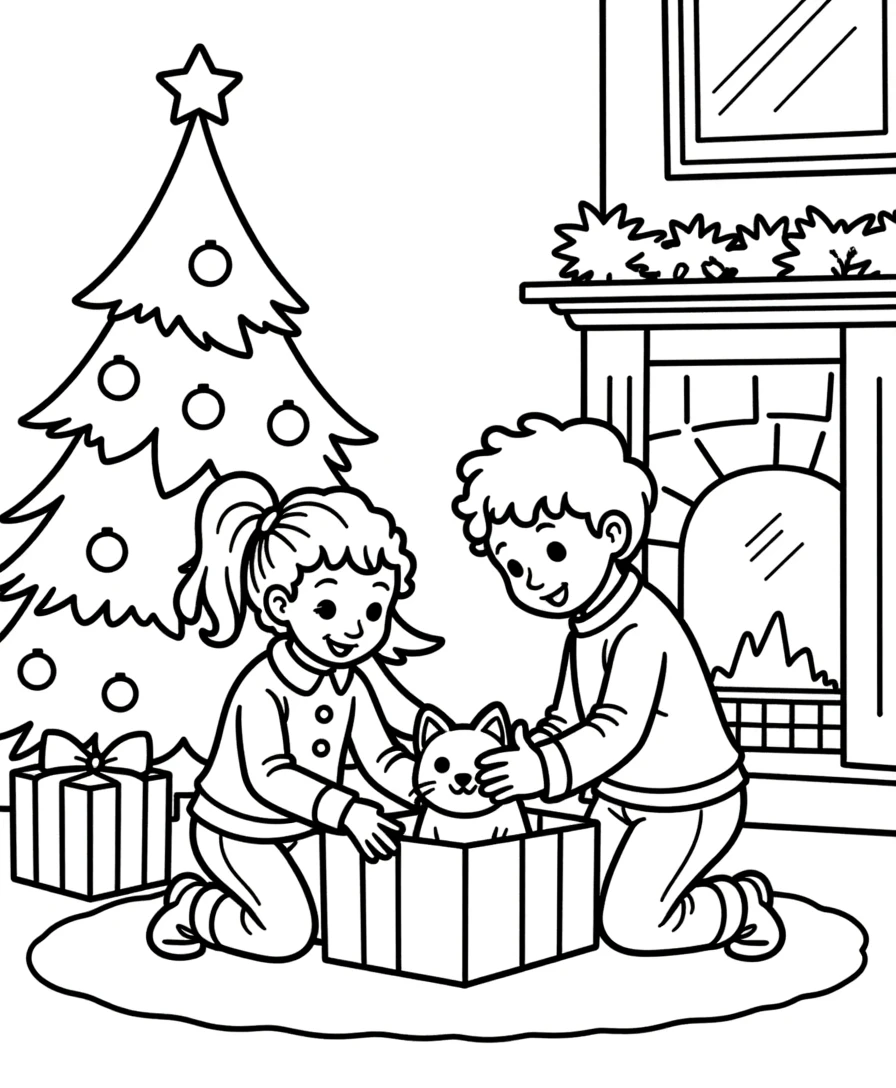
Coloring pages are the foundation of every kids activity book. They require the least cognitive effort, appeal to all ages, and look impressive in Amazon listing photos.
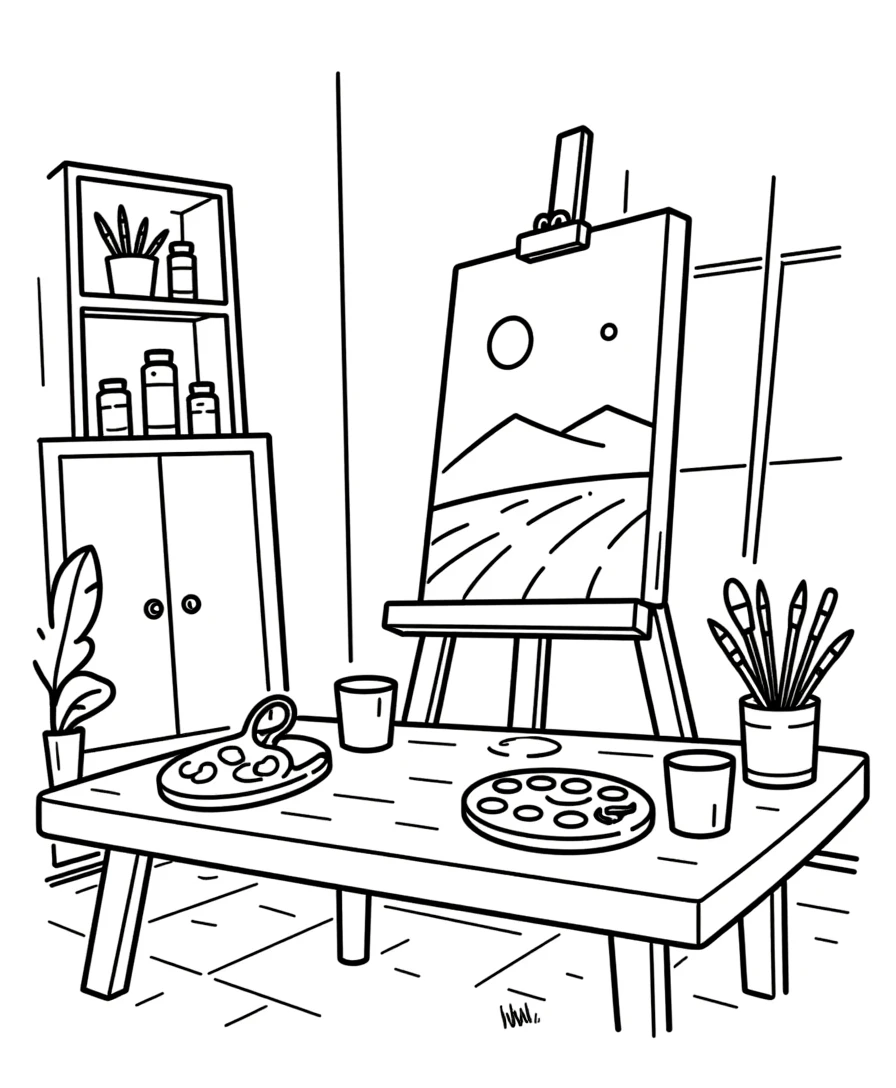
Open the coloring page generator and select your book's theme. The generator converts themed images into outline drawings suitable for coloring.
Configuration for KDP:
Outline style: Choose the outline weight appropriate for your target age. Thicker outlines (3-4 points) for ages 2-5, medium outlines (2-3 points) for ages 5-8, finer outlines (1.5-2 points) for ages 8-10.
Page layout: One coloring image per page is standard. For younger children, use a single large image centered on the page. For older children, you can include 2 smaller images per page with more detail.
Image selection: Within your theme, choose images with varying complexity. An "ocean animals" book might include simple fish outlines for easy pages and detailed seahorse or octopus outlines for challenging pages.
Generate 20 to 35 coloring pages depending on your total page count target. Export each as a 300 DPI PDF.
Single-sided consideration: Many parents prefer coloring books that are single-sided (blank back of page) so markers and crayons do not bleed through to the next activity. If you want to offer this, add blank pages between coloring pages. This doubles the page count (and printing cost) but justifies a slightly higher price and earns positive reviews mentioning "no bleed-through."
Coloring pages serve double duty in your Amazon listing: they photograph well for product images. Take a photo of a coloring page with a few areas partially colored in -- this shows buyers exactly what the book contains and looks attractive in search results.
4
Generating Word Search Puzzles for Kids
Word search puzzles are the second most important activity type in kids activity books. They build vocabulary recognition, develop visual scanning skills, and provide a satisfying "found it!" experience.
Open the word search generator and configure for children:
Grid size by age:
- Ages 4-6: 8x8 grid with 5 to 6 words
- Ages 6-8: 10x10 to 12x12 grid with 8 to 10 words
- Ages 8-10: 12x12 to 15x15 grid with 10 to 12 words
Word directions by age:
- Ages 4-6: Horizontal only (easiest)
- Ages 6-8: Horizontal and vertical
- Ages 8-10: Horizontal, vertical, and diagonal
Theme integration: Select the same theme as your book. An "ocean animals" activity book should have ocean animal word searches (dolphin, whale, shark, turtle, fish, octopus, crab, starfish). The themed image clues beside each word help pre-readers identify what they are looking for.
Generate 15 to 25 word search pages. Vary the sub-themes within your main theme to keep every puzzle fresh.
Language consideration: For English-language books, the word search generator uses English vocabulary. For multilingual editions, switch the language selector to generate native vocabulary with proper character sets. A German kids activity book with German word searches feels authentic and targets the amazon.de market.
Answer keys: The generator produces automatic answer keys highlighting word positions. Include these at the back of the book. For kids' books, consider labeling answer keys clearly: "Word Search Answers -- Page 7" so children (and parents) can find them easily.
5
Generating Find-and-Count I-Spy Activities
Find-and-count pages are the secret weapon of top-selling kids activity books. They combine visual search with counting practice in a format that children find irresistible.
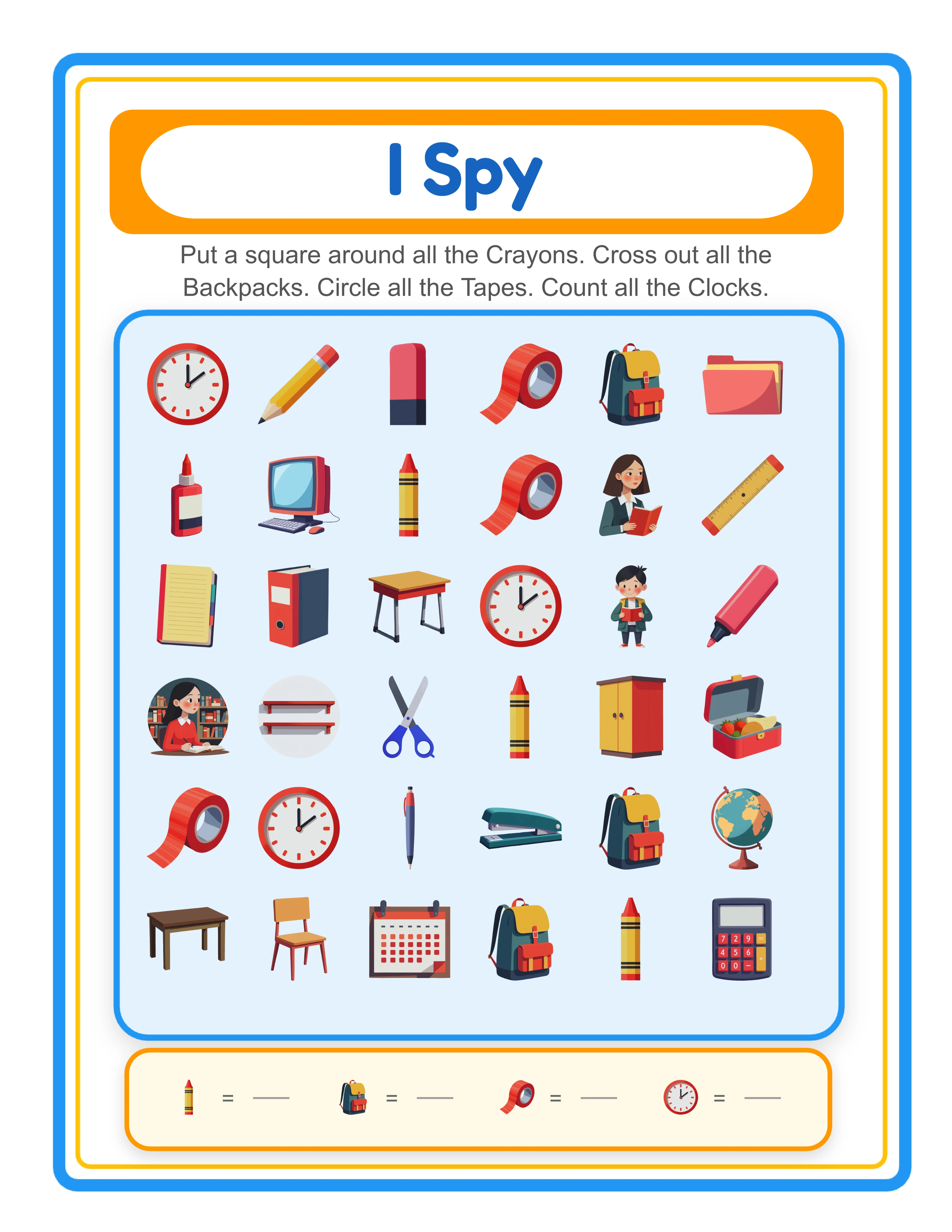
Open the find-and-count generator and select your theme. The generator creates scenes filled with themed objects and assigns counting tasks: "Find and count all the fish," "How many starfish can you see?"
Configuration for KDP:
Object density: For ages 4-6, use scenes with 15 to 20 total objects and 3 to 4 target types. For ages 6-8, use 25 to 35 objects with 5 to 6 target types. For ages 8-10, use 35 to 50 objects with 6 to 8 target types.
Task format: Each page includes a scene full of scattered themed images plus a task bar showing which objects to find and count. Children examine the scene, locate all instances of each target object, and write the count.
Visual appeal: Find-and-count scenes are visually dense and colorful in the generator preview. For KDP black and white interiors, the images convert to high-contrast grayscale that remains engaging and distinguishable.
Generate 12 to 20 find-and-count pages. These pages take slightly longer to generate than coloring pages because you need to review the scene layout and verify that all target objects are visible and countable.
Answer keys: The generator creates answer keys showing object locations and correct counts. Include these in the answer key section at the back of the book.
I-Spy branding: You can frame these as "I-Spy" activities in your listing -- "I Spy with My Little Eye" is a familiar concept to parents and children. However, avoid using trademarked I-Spy branding. Use "Find and Count" or "Search and Count" as the activity label.
6
Compiling Your Kids Activity Book Manuscript
With all activity pages generated and exported, compile them into a cohesive KDP manuscript.
Manuscript structure:
Page 1: Title page -- book title, age range, theme, and publisher name. Use a fun, child-friendly font but keep it legible.
Page 2: Copyright page -- standard copyright notice. Include "All rights reserved. This book or parts thereof may not be reproduced without permission."
Pages 3-4: "About This Book" page -- brief, simple text explaining the activities inside. For younger ages, keep this visual with icons for each activity type.
Pages 5-84: Activity pages in rotating format (coloring, word search, find-and-count, coloring, matching, coloring, word search...). Use section markers or small icons in the corner of each page indicating the activity type.
Pages 85-100: Answer keys for word searches, find-and-count, crosswords, and any other puzzle activities.
Pages 101-102: Catalog page showing other books in the series. Optional: "Certificate" page that children can fill in ("I completed this activity book!").
Formatting for KDP:
Trim size: 8.5 x 11 inches (standard for kids activity books)
Interior: Black and white for maximum royalty. Color interiors are available but cost 6x more to print, making profitability nearly impossible at competitive price points.
Bleed: No bleed (activities do not extend to page edges)
Margins: 0.75-inch inside, 0.5-inch outside, top, and bottom
Merge all PDFs in the planned rotation order using PDFsam Basic or equivalent. Verify the merged manuscript has consistent page dimensions throughout.
7
Publishing and Listing Optimization for Kids Activity Books
Kids activity book listings must instantly communicate the theme, age range, and activity variety.
Title: Include theme, age range, and activity types. Examples:
- "Ocean Animals Activity Book for Kids Ages 4-8: Coloring, Word Search, I-Spy & Counting Games"
- "Dinosaur Fun Activity Book: 80 Activities for Kids Ages 6-10 -- Coloring, Puzzles & Brain Games"
- "Farm Animals Activity Workbook for Preschoolers: Coloring Pages, Word Search & Find and Count"
Subtitle: Add details. "80+ Activities with Answer Keys -- Perfect for Road Trips, Rainy Days & Screen-Free Fun"
Keywords (7 slots):
- "kids activity book ages 4-8"
- "ocean animals coloring and puzzle book"
- "activity book for kids on road trip"
- "screen free activities for children"
- "I spy counting book for kids"
- "word search coloring book children"
- "preschool activity workbook animals"
Description: Describe each activity type with the approximate page count. Mention the theme, age appropriateness, and that answer keys are included. Use HTML formatting with bold section headers. Include a parent-friendly note about screen-free engagement.
Categories: "Children's Activity Books" primary. "Coloring Books for Kids" or "Word Search for Kids" secondary.
Pricing:
- 80-page book: $5.99 to $6.99
- 100-page book: $6.99 to $7.99
- 120-page book: $7.99 to $8.99
- Price within the 60% royalty tier ($2.99 to $9.99)
Product photos: If possible, create mockup images showing the interior pages. Parents want to see what the activities look like before purchasing. Use KDP's interior preview or create mockups with Canva.
8
Scaling Your Kids Activity Book Catalog
The kids activity book market rewards publishers who build themed catalogs systematically.
Theme expansion: The 104 themed image collections give you 104 potential themed activity books. Start with the top 10 highest-demand themes:
1. Farm Animals
2. Ocean Animals
3. Dinosaurs
4. Unicorns/Fantasy
5. Vehicles (cars, trucks, planes)
6. Space/Planets
7. Bugs & Insects
8. Pets (cats, dogs)
9. Jungle/Safari Animals
10. Food & Cooking
Each theme becomes a separate activity book. Ten themed books create a catalog that captures traffic from ten different keyword families.
Age expansion: Create the same theme at different age levels. "Ocean Animals Ages 2-4" with simple coloring and basic counting. "Ocean Animals Ages 4-8" with medium activities. "Ocean Animals Ages 8-12" with challenging puzzles. Three products from one theme.
Seasonal expansion: Holiday-themed activity books spike dramatically before each holiday:
- Christmas activity book: Peak October through December
- Halloween activity book: Peak August through October
- Easter activity book: Peak February through April
- Valentine's Day activity book: Peak January through February
- Summer activity book: Peak May through July
Create seasonal books during off-peak months so they are ready when demand surges.
Bundle compilation: "Ultimate Kids Activity Mega-Book: 300 Activities -- Animals, Dinosaurs, Ocean & Space" at $9.99 to $12.99 targets the maximum-value buyer. Compile the best pages from multiple themed books into one large volume.
Catalog math: 20 themed books + 10 seasonal books + 5 compilation books = 35 products. Each averaging 1 to 3 copies per day at $0.75 to $1.50 royalty = $26 to $157 per day = $780 to $4,725 per month.