Tutorial
1
Understanding the Word Puzzle Book Market
The word puzzle market on Amazon KDP segments into distinct buyer groups, each with specific expectations.
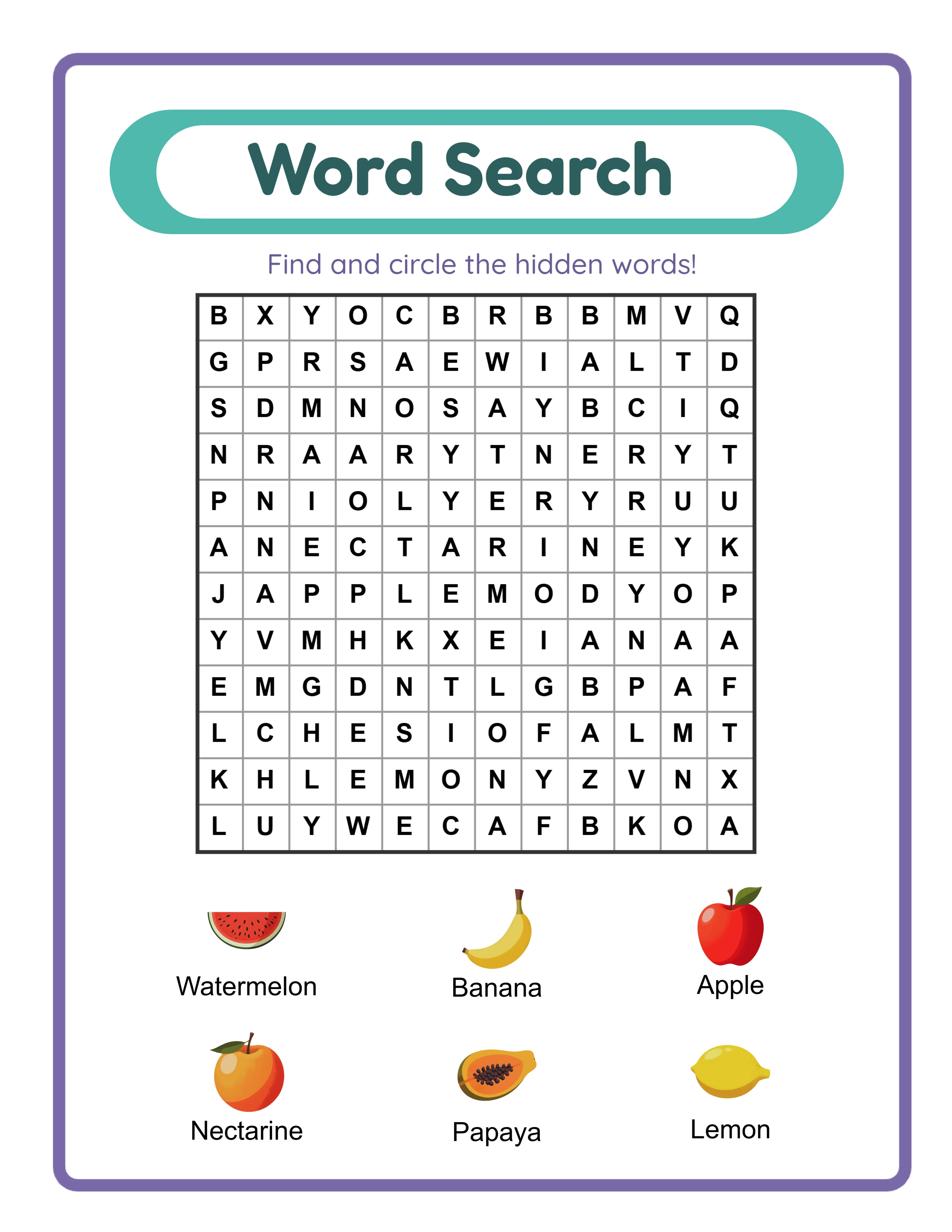
Word search buyers: The largest segment. They want themed puzzles with clear word lists, adjustable difficulty, and answer keys. Age range spans 6 to 90+. Large print word search books for seniors are a particularly profitable sub-niche.
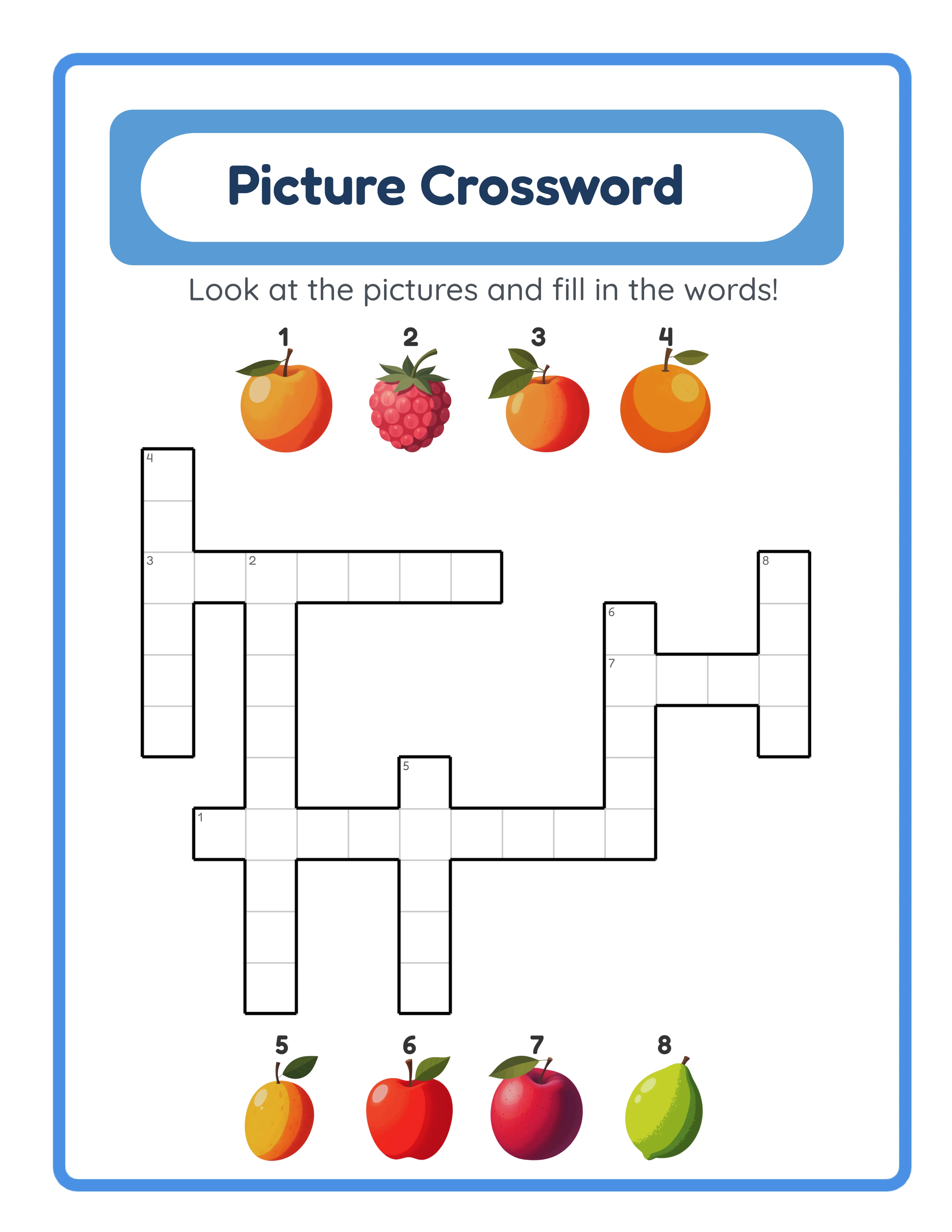
Crossword buyers: They expect image-based or text-based clues, solvable grids, and answer keys. Picture crosswords (using images as clues instead of text definitions) are the LessonCraftStudio specialty -- they are distinctive on KDP because most crossword books use text clues only.
Word scramble buyers: They want scrambled letter challenges with visual clues. This is a smaller but dedicated market. Word scramble books often sell alongside word search books through Amazon's "Also Bought" recommendations.
Cryptogram buyers: A niche market of dedicated cipher puzzle enthusiasts. Cryptogram books have less competition and loyal buyers who purchase multiple volumes.
Word guess buyers: The "Wordle-style" audience that enjoys deducing words from limited clues. This is the newest and fastest-growing word puzzle segment.
The strategic advantage of a compilation book: it appears in search results for ALL five puzzle types. A book titled "Word Puzzle Collection: Word Search, Crossword, Scramble, Cryptogram & Word Guess" captures traffic from five different keyword families. Each buyer type discovers your book through their preferred search term.
2
Generating Word Search Puzzles for Your Compilation
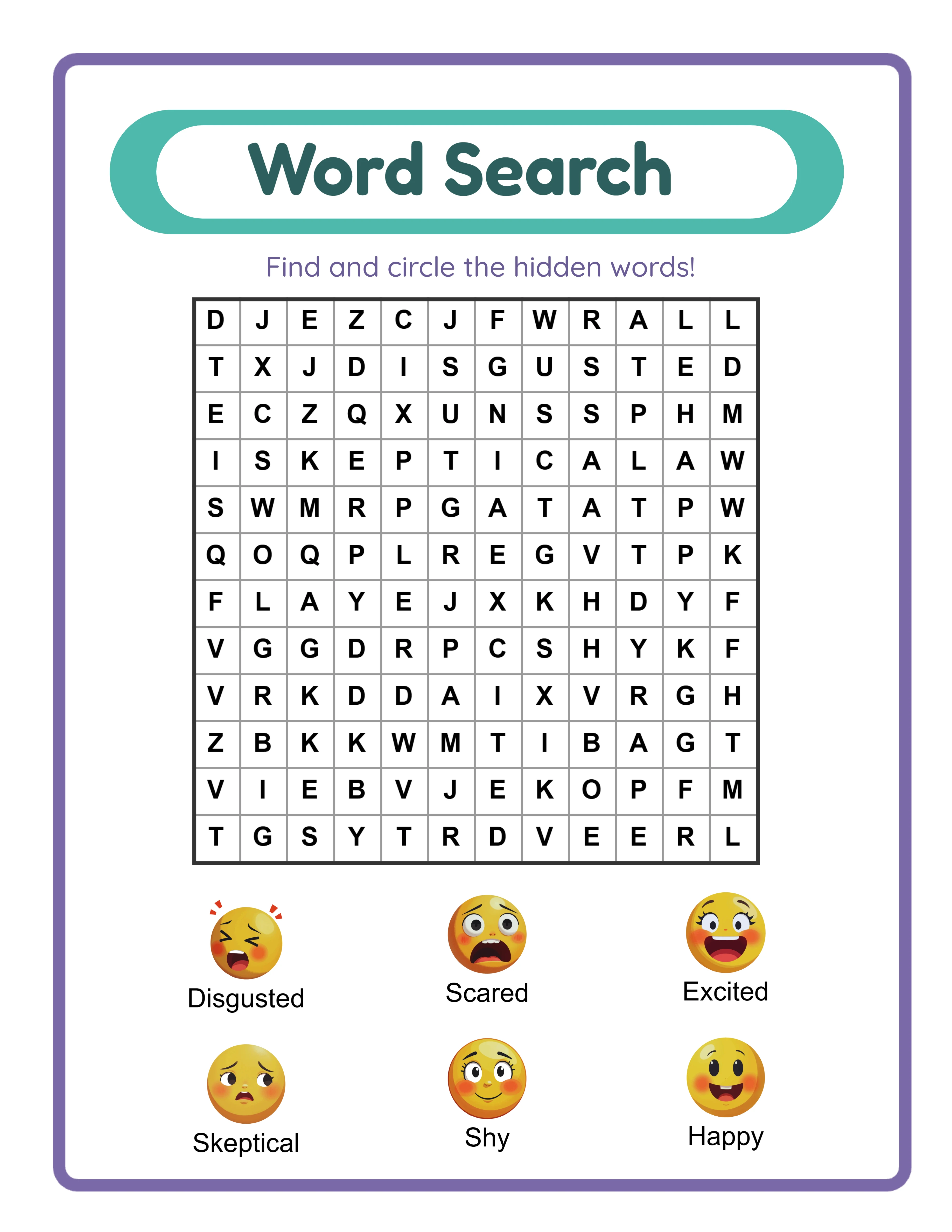
Word search puzzles should form the largest section of your compilation because they have the broadest appeal and the most search volume on Amazon.
Open the word search generator and configure for KDP:
Grid size: 15x15 for easy to medium, 20x20 for medium to hard. For a compilation targeting adults, 15x15 is the sweet spot -- large enough to be challenging but compact enough to fit alongside a word list on an 8.5 x 11 page.
Word directions: Enable horizontal, vertical, and diagonal for medium difficulty. Add reverse directions for hard. Disable diagonals for easy.
Theme selection: Choose themes that match your book's overall concept. For a general "Word Puzzle Collection," rotate through 5 to 8 themes (animals, food, nature, careers, sports, holidays, music, science). For a themed book like "Animal Word Puzzles," use animal sub-categories (farm, ocean, jungle, pets, birds, insects).
Words per puzzle: 10 to 15 words per grid. The generator pulls vocabulary from the selected theme and displays image clues alongside the grid.
Generate 30 to 40 word search pages for your compilation. Export each puzzle and its answer key as separate PDFs. The answer key highlights word positions in the grid with color coding.
Language advantage: Switch the language selector and regenerate the same themed puzzles. The generator produces German word lists with German filler letters, French vocabulary with proper accents, and so on. One generation session, eleven language editions.
3
Generating Crossword Puzzles with Image Clues
Picture crosswords are your strongest differentiator in the word puzzle compilation market. Most crossword books use text definitions as clues. LessonCraftStudio crosswords use themed images -- a visual format that stands out on Amazon and appeals to visual learners.
Open the crossword generator:
Grid configuration: The generator creates intersecting word grids automatically based on the vocabulary from your selected theme. Each word is clued with its corresponding image, numbered to match grid positions.
Theme selection: For crosswords, themes with concrete, easily recognizable vocabulary work best. Animals, food, vehicles, household items, and clothing are ideal because the images are unambiguous clues. Abstract themes are harder to represent visually.
Words per crossword: 8 to 12 words per grid is optimal. This creates a grid dense enough to feel like a genuine crossword while remaining solvable in 5 to 10 minutes.
Generate 20 to 25 crossword pages. Use different themes for each crossword to maintain variety. Export puzzles and answer keys as separate PDFs.
Pro tip for compilation structure: Place crossword puzzles after the word search section. Solvers who complete word searches successfully will be primed for the crossword challenge. The transition from "find the word" to "figure out the word from an image clue" creates a natural difficulty progression.
Multilingual crosswords: In languages like German and French, crossword puzzles with image clues solve the problem of complex text definitions. The image is the clue -- no translation of clue text needed. Only the answer words change by language.
4
Generating Word Scramble and Cryptogram Puzzles
Word scramble and cryptogram puzzles add unique cognitive challenges to your compilation that word searches and crosswords do not provide.
Word Scramble Generator:
Open the word scramble generator and select a theme. The generator creates puzzles where each word's letters are shuffled into a random order. An image clue accompanies each scrambled word, giving solvers a visual hint.
Configuration: 8 to 12 scrambled words per page. For easier puzzles, use shorter words (3 to 5 letters). For harder puzzles, use longer words (6 to 9 letters). The generator handles letter randomization and ensures no scrambled word accidentally spells another valid word.
Generate 15 to 20 word scramble pages with varied themes.
Cryptogram Generator:
The cryptogram generator creates substitution cipher puzzles where each letter in a word or phrase is replaced by a different letter. Solvers must crack the code by identifying patterns and letter frequencies.
Configuration: The generator creates themed cryptogram puzzles using vocabulary from the selected image collection. Each puzzle includes the encrypted text and image hints to guide solving.
Generate 10 to 15 cryptogram pages. These are the most challenging puzzle type in the compilation and should be placed toward the end of the book.
Both generators produce automatic answer keys. Word scramble answers show the unscrambled words. Cryptogram answers show the decoded text with the substitution key.
These two formats add roughly 30 pages to your compilation while requiring only 1 to 2 hours of generation time.
5
Structuring the Multi-Format Manuscript
The manuscript structure determines how buyers experience your compilation. A well-organized book keeps solvers engaged through all five puzzle types.
Recommended structure for a word puzzle compilation:
Pages 1-2: Title page and copyright page
Pages 3-4: Instructions page explaining each puzzle type with small example images
Pages 5-44: Word Search section (40 puzzles)
Pages 45-68: Crossword section (24 puzzles with image clues)
Pages 69-88: Word Scramble section (20 puzzles)
Pages 89-103: Cryptogram section (15 puzzles)
Pages 104-108: Mixed Challenge section (5 pages combining multiple formats)
Pages 109-150: Answer keys organized by section
Total: approximately 150 pages, which fits the KDP pricing sweet spot.
Alternative structure (difficulty progression): Arrange puzzles by difficulty across all formats. Easy word searches and simple scrambles first, progressing to hard crosswords and complex cryptograms last. This structure works well for books marketed as "Brain Training" or "Progressive Challenge."
Formatting consistency:
Use the same header style for every puzzle page: puzzle type label, puzzle number, and theme name.
Maintain consistent margins throughout (0.75-inch inside, 0.5-inch outside, top, and bottom).
Number all puzzles sequentially and cross-reference them in the answer key.
Add a section divider page before each new puzzle type with the format name and a brief instruction.
6
Leveraging 11-Language Support for Maximum Reach
The 11-language support is the single most powerful revenue multiplier for word puzzle books on KDP.
Here is why: English word puzzle books compete against thousands of other titles. German word puzzle books compete against a fraction of that. French, Spanish, Portuguese, Italian, Dutch, Swedish, Danish, Norwegian, and Finnish word puzzle books have even less competition -- in some niches, yours might be one of very few options.
The workflow for multilingual expansion:
1. Create your complete word puzzle compilation in English (this is your template)
2. Switch every generator to German and regenerate all puzzles with the same themes
3. The generators produce German vocabulary, German filler letters, and German-language answer keys
4. Compile the German manuscript using the same page structure
5. Create a German cover (translate the title and subtitle)
6. Publish on amazon.de with German keywords and description
7. Repeat for each target language
Priority language order by market size:
1. English (amazon.com, amazon.co.uk, amazon.ca, amazon.com.au)
2. German (amazon.de -- the largest European marketplace)
3. Spanish (amazon.es, amazon.com.mx -- large combined market)
4. French (amazon.fr -- strong puzzle book culture)
5. Italian (amazon.it)
6. Portuguese (amazon.com.br -- huge market, minimal competition)
7. Dutch (amazon.nl)
8. Swedish, Norwegian, Danish, Finnish (amazon.se and Nordic demand)
Each language edition is a completely separate product with its own ASIN, listing, and royalty stream. A word puzzle compilation that earns $100 per month in English might earn $50 in German, $40 in Spanish, $30 in French, and $15 to $20 each in Italian, Portuguese, and Dutch. That is $290 per month from one book concept versus $100 from English alone.
7
Publishing and Listing Optimization
Word puzzle compilation listings need to communicate variety and value at every touchpoint.
Title: Include "word puzzle" as the primary term and list the included formats. Examples:
- "Word Puzzle Book for Adults: Word Search, Crossword, Scramble & Cryptogram -- 120 Themed Puzzles with Answer Keys"
- "Mixed Word Games: 5 Puzzle Types, 100+ Challenges for Language Lovers"
- "The Complete Word Puzzle Collection: Word Search, Crossword, Word Scramble, Cryptogram & Word Guess"
Subtitle: Specify details. "Themed Vocabulary Puzzles in 104 Topics -- Easy to Hard Difficulty -- Full Answer Keys Included"
Keywords (7 slots):
- "word puzzle book for adults"
- "mixed word games book"
- "word search crossword scramble book"
- "vocabulary puzzle collection"
- "brain games word puzzles"
- "word puzzle book with answers"
- "language puzzle book for teens adults"
Description: Describe each of the five puzzle types. Mention the puzzle count, theme variety, difficulty range, and that all answer keys are included. Use HTML formatting with bold headings for each puzzle type.
Categories: "Puzzle Books" primary, "Word Search" or "Crosswords" secondary.
Pricing: For a 150-page US Letter compilation:
- US: $8.99 to $9.99 (compilation format justifies premium pricing)
- European marketplaces: $9.99 to $11.99
- The variety of five puzzle types positions this as premium content
Publish on all available marketplaces. For non-English editions, translate the title, subtitle, description, and keywords. The interior content is already generated in the target language.