.webp)
.webp)
The Difference Between Starting and Scaling
Starting a printable business requires one product and one platform. You design a worksheet, list it on Etsy, and see if anyone buys it. The skills that matter are creativity, product design, and the willingness to publish something imperfect. Starting is about validation — proving that someone will pay for what you create.
Scaling requires entirely different skills. Process optimization replaces individual creativity as the primary driver. Data-driven decisions replace intuition. Production discipline replaces sporadic inspiration. The seller who scales successfully is not necessarily more talented than the seller who plateaus — they are more systematic.
The most common plateau happens between 20 and 50 listings. Sellers who reached this point through individual effort hit a wall because their approach does not multiply. Creating each product from scratch, writing each listing description individually, uploading to one platform at a time — these starting activities have a linear relationship between effort and output. Scaling activities have an exponential relationship: one worksheet generator with 100 themes produces 100 distinct product lines. One listing template applied to 50 products saves 50 hours of individual description writing.
Recognizing which phase you are in determines which activities deserve your time. If you have fewer than 10 listings, you are still starting — focus on product quality and market validation. If you have 10 to 50 listings and your growth has flattened, you are ready to shift from starting activities to scaling activities. This guide covers that shift in detail, providing the operational playbook for each subsequent growth phase.
Growth Milestones: Side Hustle to Full-Time
Concrete milestones replace vague goals. Rather than aiming to "grow your business," this framework defines four operational phases with specific priorities and challenges at each stage.
Phase 1: Validation (1 to 25 listings). Your priority is learning which products resonate with buyers and which platforms work for your niche. List on one platform only. Experiment with different product types, themes, and price points. Track which listings get views, which get clicks, and which convert to sales. The goal is not revenue — it is pattern recognition. By the end of this phase, you should know your two or three strongest product categories and your primary platform.
Phase 2: Catalog Building (25 to 100 listings). Your priority shifts from experimentation to systematic production in your validated categories. Batch-produce products using templates and generators rather than creating each one individually. Establish your listing template — a reusable description format, consistent title structure, and standardized mockup style. Begin cross-listing to a second platform. The goal is production velocity without sacrificing quality.
Phase 3: System Optimization (100 to 300 listings). Your priority is efficiency and multi-platform presence. Optimize existing listings using analytics data. Expand to three or four platforms. Implement seasonal keyword rotation across your catalog. Begin multilingual expansion into your strongest non-English markets. The goal is maximizing revenue from your existing catalog while continuing to add products strategically.
Phase 4: Full-Time Assessment (300 or more listings). Your priority is evaluating sustainability. Review six or more months of consistent revenue data. Assess platform diversification — no single platform should represent more than 60 percent of your revenue. Evaluate whether your production systems can maintain catalog growth alongside listing maintenance. The decision to go full-time depends on operational readiness, not a single revenue milestone.
Catalog Expansion Strategy
Catalog growth drives revenue growth in printable businesses. More products mean more search visibility, more buyer discovery paths, and more opportunities for cross-selling. But catalog expansion requires strategy, not just volume.
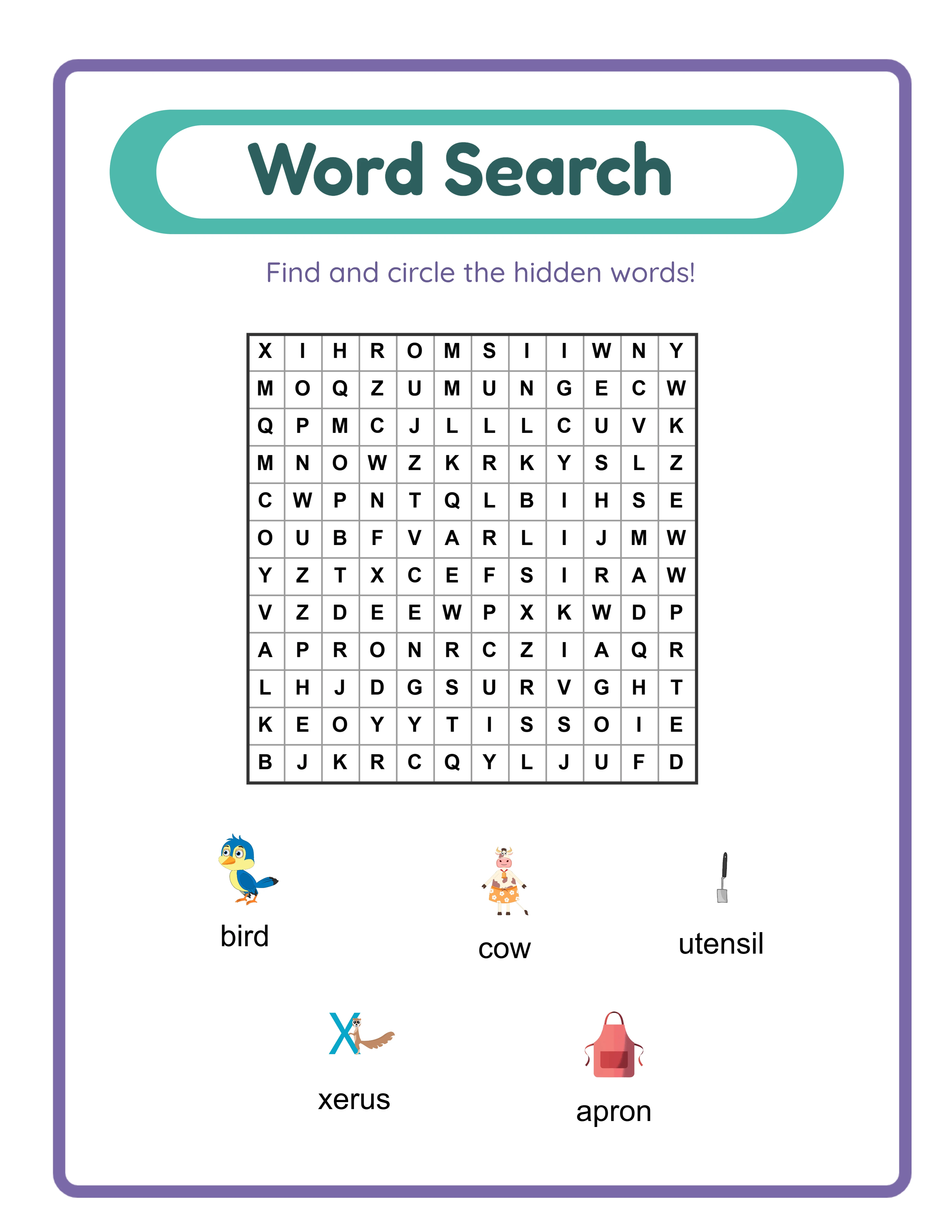
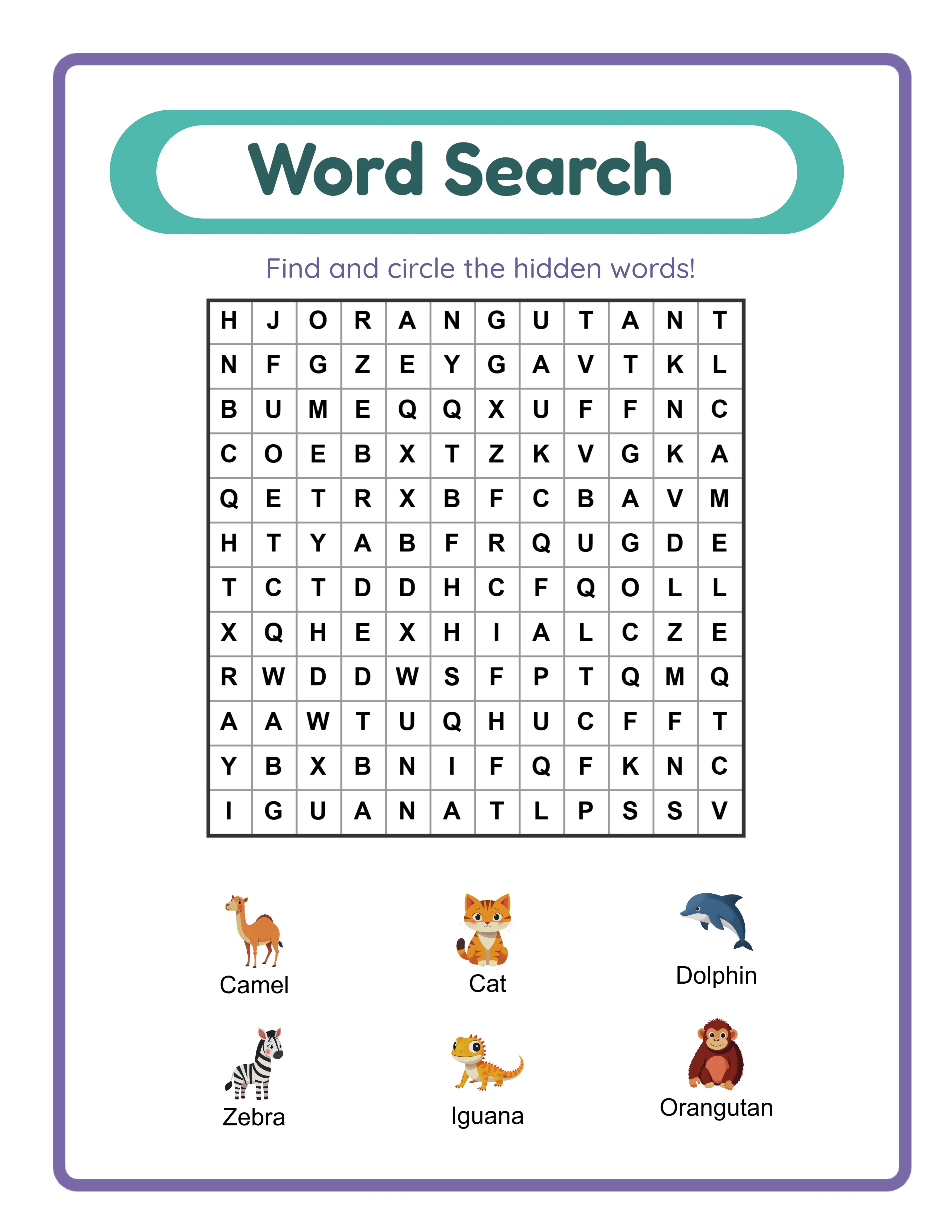
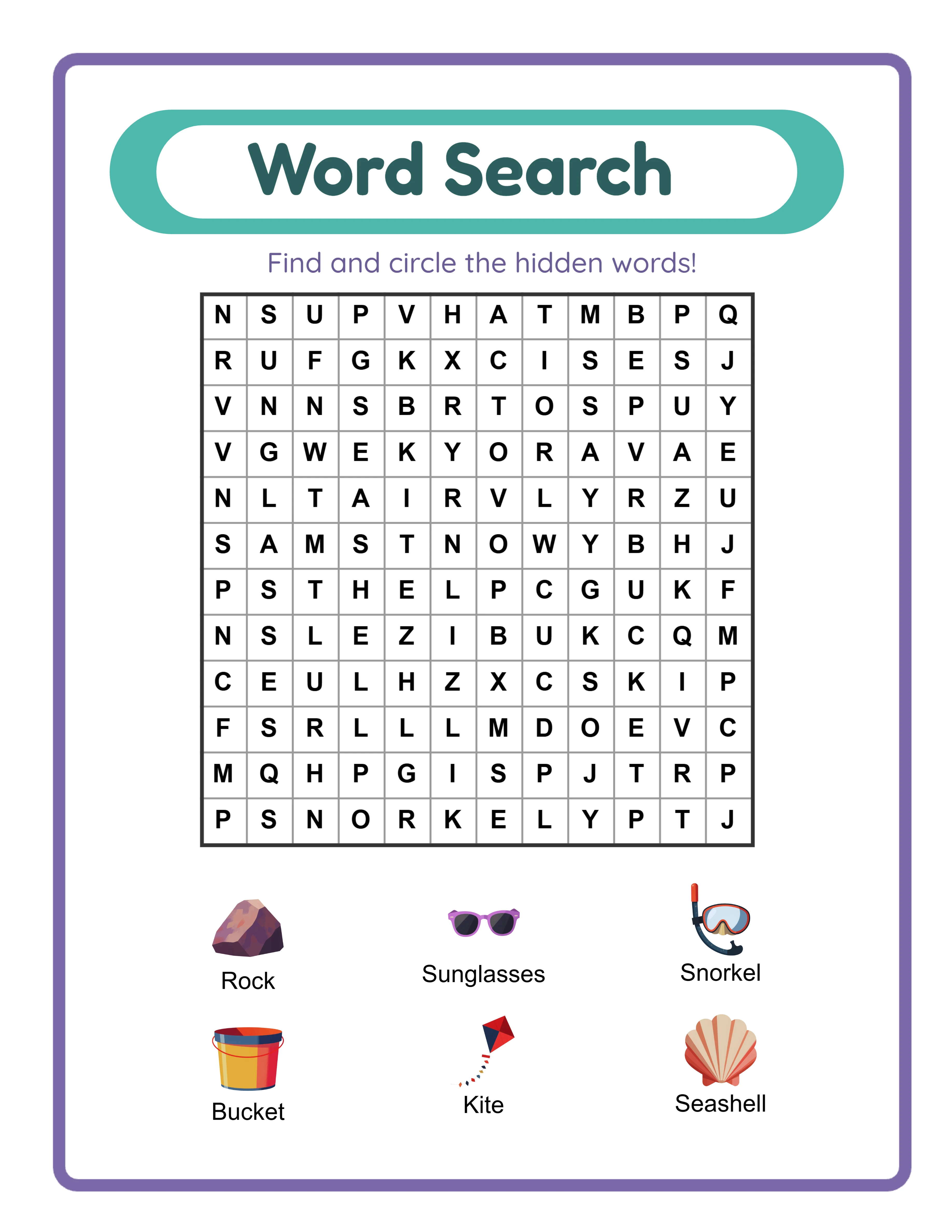
The depth strategy means creating more variations of your proven product types. If word search puzzles are your best sellers, go deeper: more themes, more difficulty levels, more page counts, more language versions. A word search generator with 100 or more themes transforms a single product type into 100 distinct listings, each targeting different buyer searches. Animal word searches, food word searches, holiday word searches — each variation captures a different long-tail keyword without requiring a different tool.
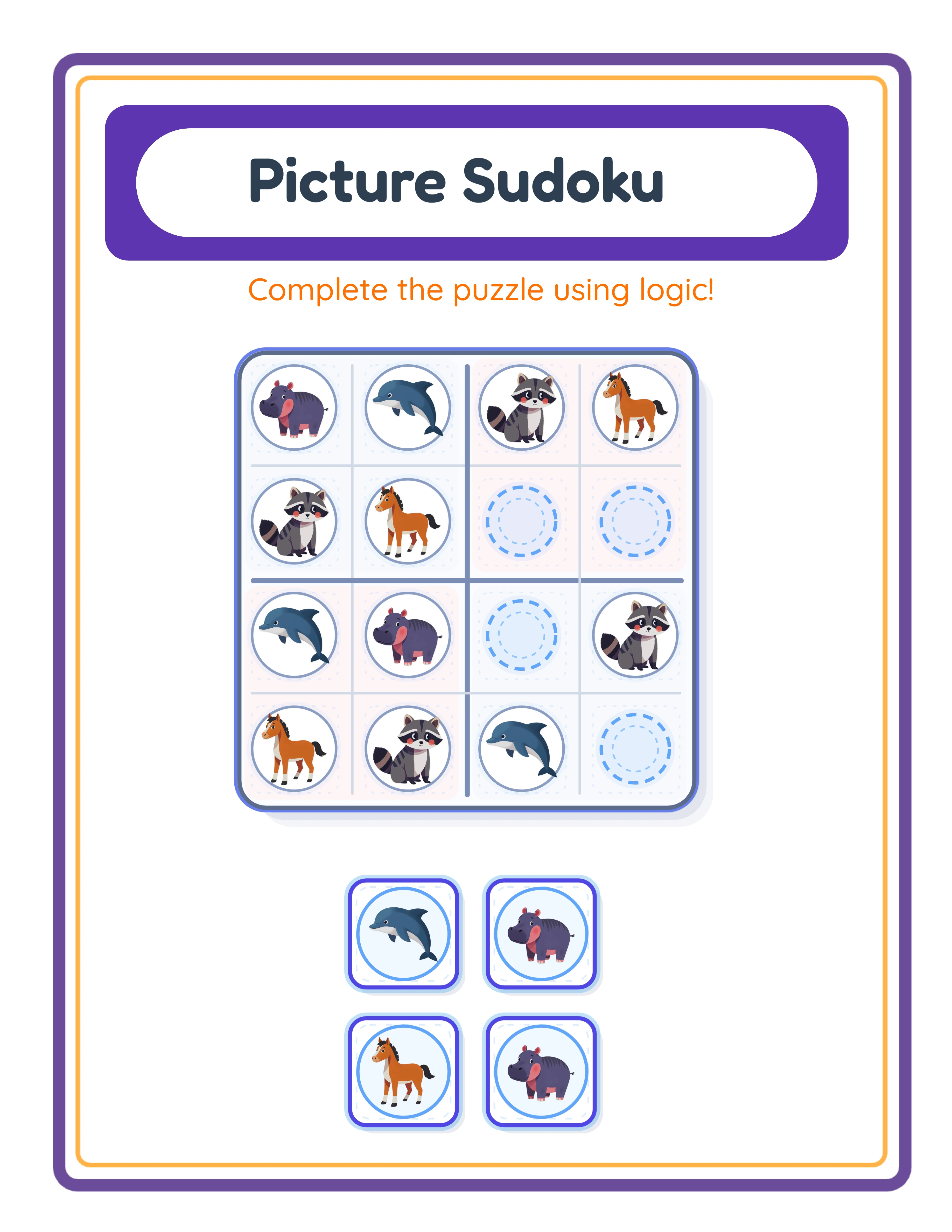
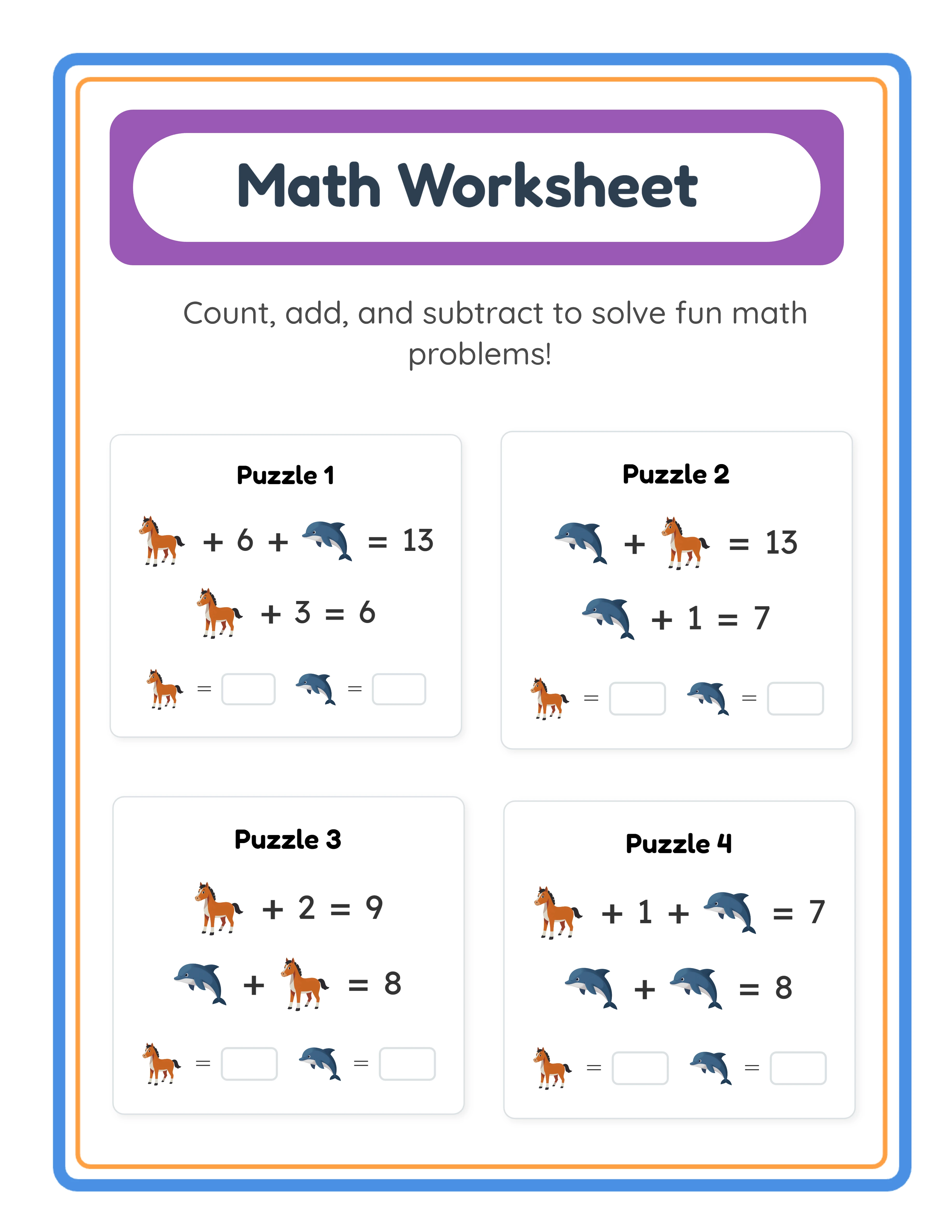
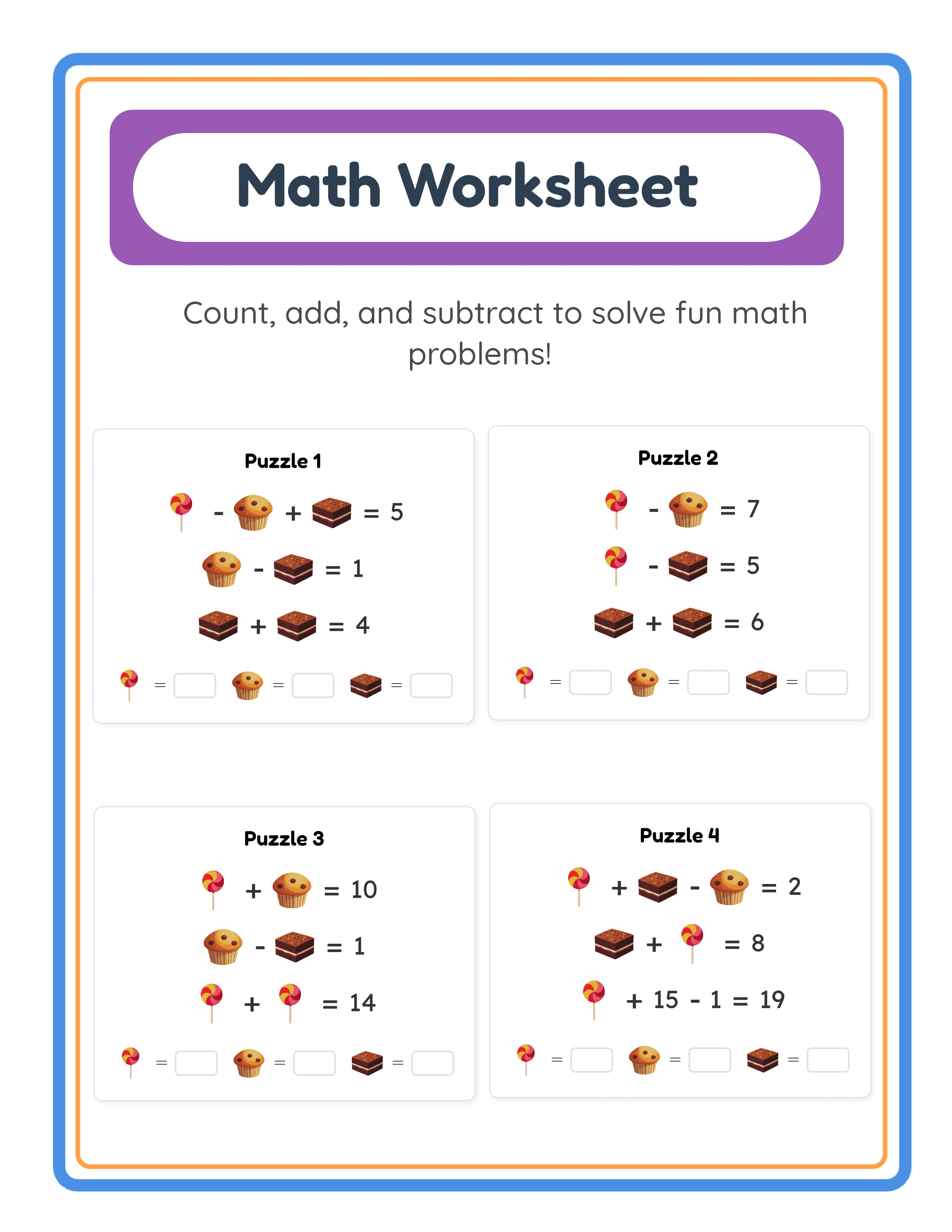
The breadth strategy means expanding into new product categories. If you started with word searches, add crossword puzzles, sudoku, math worksheets, or coloring pages. Each new category opens a different buyer segment and different search terms. Breadth reduces your dependence on a single product type and creates bundling opportunities.
The optimal approach combines both strategies in sequence. Go deep first in your validated category until you have exhausted the major theme and variation opportunities. Then expand to a related category and go deep there. This pattern — depth then breadth, repeated — builds a catalog that is both comprehensive within categories and diverse across them.
Worksheet generators accelerate both strategies. A single generator with a theme library enables rapid depth expansion — new themes mean new products without new tools. Adding a second generator in a different category enables breadth expansion. The free trial with watermark lets you test output quality in any category before committing to a production workflow.
Multi-Platform Distribution
Selling on one platform limits your ceiling and increases your risk. Each platform reaches different buyer segments with different purchase behaviors. Etsy attracts parents seeking printable downloads. Amazon KDP reaches buyers who prefer physical activity books. Gumroad serves store sellers. Gumroad enables direct sales to your own audience. Distributing the same content across platforms multiplies your revenue potential from each product you create.
The same worksheet content adapts to multiple formats with minimal additional effort. A set of 50 word search puzzles becomes a printable PDF bundle on Etsy, a paperback activity book on Amazon KDP, a product pack on Gumroad, and a direct download on Gumroad. Four revenue streams from one production session.
Platform expansion should be sequential, not simultaneous. Master your primary platform first — understand its algorithm, optimize your listings, and establish a sales baseline. Then add one platform at a time, adapting your content to that platform's format and buyer expectations. Trying to launch on four platforms simultaneously splits your attention and usually results in four underperforming shops instead of one strong one.
Cross-platform presence also reduces algorithmic risk. Etsy algorithm changes, Amazon policy updates, and platform fee increases can all impact revenue overnight. A seller with 80 percent of revenue on Etsy is vulnerable to any Etsy-specific disruption. A seller with revenue distributed across four platforms absorbs platform-specific changes without catastrophic impact. Diversification is not just a growth strategy — it is a risk management strategy.
The operational key to multi-platform distribution is standardized production. When your worksheet generator output feeds a consistent pipeline — same content, different format adaptations — listing on additional platforms becomes a formatting task rather than a creation task.
Bundling and Upsell Strategy
Bundling increases average order value without requiring new product creation. You already have the products — bundling packages them in ways that appeal to buyers who want comprehensive solutions rather than individual items.
Theme bundles group all activities around a single theme. An animal theme bundle might include animal word searches, animal crosswords, animal coloring pages, and animal matching worksheets. Parents planning an animal-themed party or buyers building an animal unit buy the bundle rather than searching for each activity type individually. Theme bundles work because buyers think in themes, not in product categories.
Category bundles group all variations within a product type. A complete word search bundle includes every theme, every difficulty level, and every page count available. Buyers who want a year-long supply of word search activities buy the bundle at a premium price rather than purchasing individually throughout the year. Category bundles work because they eliminate future purchasing decisions.
Grade-level bundles package activities appropriate for a specific age group across all product types. A kindergarten mega bundle includes math worksheets, letter tracing, coloring pages, matching activities, and simple puzzles — everything a kindergarten buyer or homeschool parent needs. Grade-level bundles command the highest prices because they solve the broadest problem.
Pricing psychology follows a standard pattern: individual worksheets at three to five dollars, theme or category bundles at 15 to 25 dollars, and mega bundles at 30 to 50 dollars. The bundle price should represent a clear discount compared to buying individually, but still generate more revenue per transaction than a single product sale. A buyer who would have purchased one five-dollar product instead buys a 20-dollar bundle — quadrupling your revenue from that transaction.
Investing in category tool bundles mirrors this product bundling strategy. Having generators across multiple categories gives you the production capacity to create bundles that span product types, themes, and difficulty levels.
Production Workflow Optimization
At scale, your production workflow determines your profitability more than your product quality. A seller who spends three hours creating one product has a fundamentally different business than a seller who spends three hours creating ten products of equal quality. The difference is workflow, not talent.
Batch production is the single highest-impact workflow change. Instead of creating one product, listing it, then creating the next, batch each step. Session one: generate 10 worksheet sets using your generator tools. Session two: create product mockups and listing images for all 10. Session three: write and upload all 10 listings. Batching eliminates the context-switching cost of moving between creation, design, and listing tasks within a single product cycle.
Template-based listing creation eliminates repetitive writing. Create a master listing template for each product category with placeholders for theme, difficulty level, page count, and other variables. When listing a new word search product, fill in the placeholders rather than writing a description from scratch. Consistent descriptions also improve your brand perception — professional shops have consistent listing quality across their entire catalog.
Worksheet generators are the production multiplier that makes scaling possible. Manual worksheet creation — designing each page individually in a design tool — limits you to perhaps two or three unique products per hour. Generator-based production delivers dozens of unique products per hour because the tool handles layout, formatting, answer keys, and theme application automatically. The free trial with watermark demonstrates this production speed difference immediately.
Time tracking reveals your actual bottlenecks. Track how long each production step takes across a batch of 10 products: content generation, mockup creation, listing writing, platform uploading. The step that takes the longest is your constraint. Optimizing your constraint step produces the largest overall productivity gain. Often the constraint is not product creation but listing image creation or platform uploading — steps that feel secondary but consume the most time.
Multilingual Market Expansion
Expanding beyond English is one of the most underused scaling levers for printable sellers. Non-English markets have significantly less competition while maintaining strong buyer demand. The same production tools that create English products can create products in additional languages, making international expansion a configuration change rather than a capability change.
The European market represents the largest opportunity for English-speaking sellers expanding internationally. German is the largest European language market for educational printables, followed by French, Spanish, and Italian. Each language market has its own Etsy presence, its own Amazon KDP marketplace, and its own buyer base searching in their native language.
Language-by-language expansion is more effective than trying to launch in all markets simultaneously. Start with one additional language — German or French for the largest immediate opportunity. Create your top-performing product types in that language. List them on the appropriate marketplace (Amazon.de, Etsy with German tags and descriptions). Evaluate performance over two to three months before adding another language.
Multilingual worksheet generators eliminate the traditional barrier to international expansion. Without multilingual tools, creating products in a new language requires either fluency in that language or expensive translation services for every product. Generators that produce content in 11 languages make each new language market accessible through configuration rather than translation. The free trial with watermark lets you generate sample output in any supported language to evaluate quality before committing to a new market.
International expansion also creates bundling opportunities that do not exist in a single-language catalog. A "European Language Pack" containing the same worksheet in five or six languages appeals to multilingual families, international schools, and language buyers — buyer segments that single-language sellers cannot serve at all.
When to Go Full-Time: Decision Framework
The decision to go full-time with a printable business should be based on a framework of operational criteria, not a single revenue number. Revenue varies by region, living costs, and personal circumstances — but the operational indicators of readiness are universal.
Consistency over time is the primary indicator. A business that generated strong revenue for two months is not ready for full-time commitment. A business that has generated consistent revenue across six or more months, including seasonal dips, demonstrates stability. Track your monthly revenue trend line, not individual months. The trend matters more than any single data point.
Platform diversification reduces the risk of going full-time. If 90 percent of your revenue comes from Etsy, one algorithm change could cut your income dramatically. Before going full-time, ensure no single platform represents more than 60 percent of your revenue. Multi-platform distribution is not just a growth strategy — it is a prerequisite for full-time viability.
Growth trajectory versus plateau matters for the timing decision. A business with revenue that has been flat for four months is at its current ceiling. Going full-time does not automatically break through that ceiling — it just removes your backup income. A business with revenue that is still growing month over month has momentum that additional time investment can accelerate.
The side hustle advantage should not be underestimated. Operating without financial pressure allows better decision-making. You can experiment with new product categories, test new platforms, and weather seasonal dips without existential stress. The optimal transition point is not when you need full-time income from printables — it is when your printable business generates enough to cover your expenses with a meaningful buffer, and your growth trajectory suggests that additional time investment will accelerate that trend.
Practical prerequisites include an emergency fund covering three to six months of expenses, a plan for health insurance and benefits if applicable, and documented systems that can handle your current production volume without heroic individual effort.
Reinvestment Strategy for Growth
How you reinvest your printable business revenue determines your growth rate. The order of reinvestment priorities matters because each level builds on the one before it.
Priority one: production capacity. Additional generator licenses or category bundles directly increase the number and variety of products you can create. A seller with generators across six categories can produce bundles, cross-category packs, and themed collections that a seller with one generator cannot. Production capacity is the foundation of everything else — you cannot market products you cannot create, and you cannot scale a catalog you cannot expand.
Priority two: platform optimization tools. Keyword research tools, marketplace analytics, and listing optimization services help you extract more revenue from your existing catalog. These tools are valuable only after you have a catalog large enough to optimize. Spending on optimization tools when you have 15 listings is premature. Spending on optimization tools when you have 150 listings and conversion data to analyze is a high-return investment.
Priority three: design and presentation tools. Professional mockup generators, cover design software, and image editing tools improve your listing presentation. Better listing images increase click-through rates and conversion rates. These tools matter most when your catalog is large enough that presentation improvements compound across hundreds of listings.
Priority four: paid advertising on proven products only. Never advertise a product that has not already demonstrated organic sales. Paid advertising amplifies what already works — it does not fix what does not. Identify your top-converting products through organic sales data, then test small advertising budgets on those specific products. Scale advertising spend only on products with proven positive return on ad spend.
The common mistake is inverting this order — spending on advertising before having enough products, buying optimization tools before having data to optimize, or investing in design upgrades before establishing a production workflow. Follow the priority order and each investment builds on the previous one.
Avoiding Common Scaling Mistakes
The most damaging scaling mistakes are not about individual products — they are about strategic errors that waste months of effort and investment.
Spreading too thin across too many platforms before mastering one. Each platform has its own algorithm, its own listing requirements, and its own buyer behavior patterns. A seller with 50 well-optimized listings on Etsy will outperform a seller with 15 mediocre listings on four platforms. Master your primary platform to the point where you understand what drives sales there, then expand to additional platforms with that knowledge.
Neglecting existing listings while chasing new products. Your existing catalog is a revenue-generating asset that requires maintenance. Seasonal keyword rotation, listing optimization based on analytics data, and periodic mockup refreshes keep existing listings competitive. A seller who creates 10 new products per month while ignoring 200 existing listings is leaving revenue on the table.
Ignoring analytics and continuing to produce content that does not sell. Not every product type or theme resonates with buyers. Analytics reveal which products convert and which sit with zero sales after months of exposure. Double down on what works and stop producing what does not. Emotional attachment to underperforming product types is the enemy of efficient scaling.
Copying competitors instead of differentiating. When you see a successful seller, the temptation is to create identical products. But identical products compete on price alone — a race to the bottom. Instead, study what makes competitors successful and then tier: different themes, different difficulty levels, different formatting, different bundling. Compete on unique value rather than identical products at lower prices.
Treating production volume as a vanity metric. Five hundred mediocre products lose to 100 excellent products every time. Each product in your catalog either strengthens your brand through quality and consistency, or weakens it through mediocrity and inconsistency. Worksheet generators maintain quality at volume because the formatting, layout, and professional standards are built into the tool. Quality at scale is the ultimate competitive advantage and the hardest thing for competitors to replicate.
.webp)