Tutorial
1
Understand What Copyright Protects in Printable Products
Copyright protects original creative expression that is fixed in a tangible form. For printable sellers, this means that the creative choices you make in designing and producing worksheets can be protected — but only the creative expression itself, not the underlying ideas, facts, or methods that the worksheets teach.
The key legal concept is the distinction between expression and ideas. Copyright protects expression: the specific way you communicate or present something. It does not protect the idea itself. You can copyright a specific worksheet that teaches addition through a particular arrangement of problems, illustrations, and instructions. You cannot copyright the idea of teaching addition, the concept of using worksheets for math practice, or the mathematical facts that the worksheet contains. Any other seller can create their own addition worksheet covering the same facts and concepts, as long as their creative expression — their specific layout, illustrations, and text — is their own original work.
In the context of printable products, copyrightable elements typically include: original illustrations and artwork you create, unique instructional text and creative writing, specific page layouts and design arrangements that reflect creative choices, original compilations and selections of content where the selection and arrangement show creativity, and distinctive visual design elements like borders, decorative elements, and formatting choices that go beyond purely functional presentation.
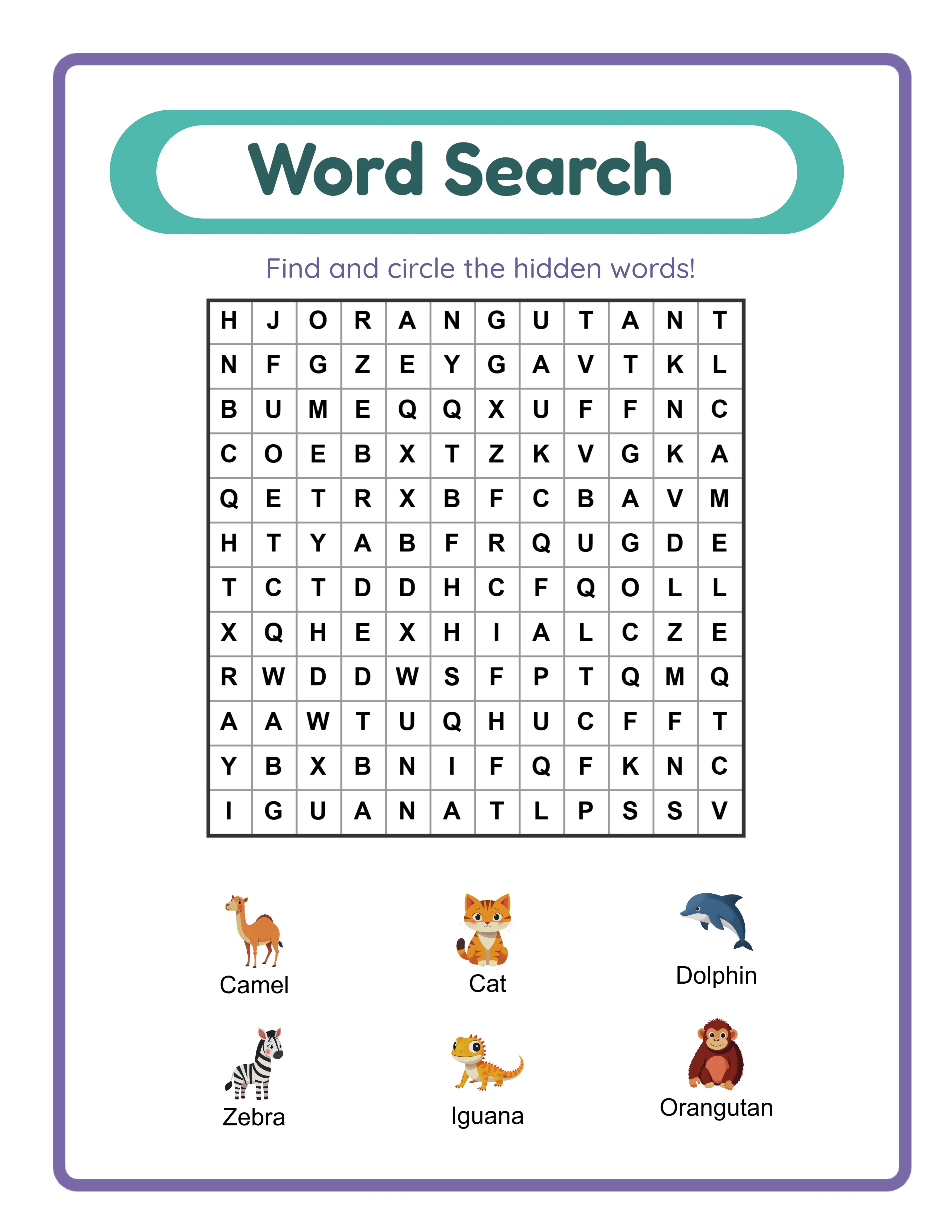
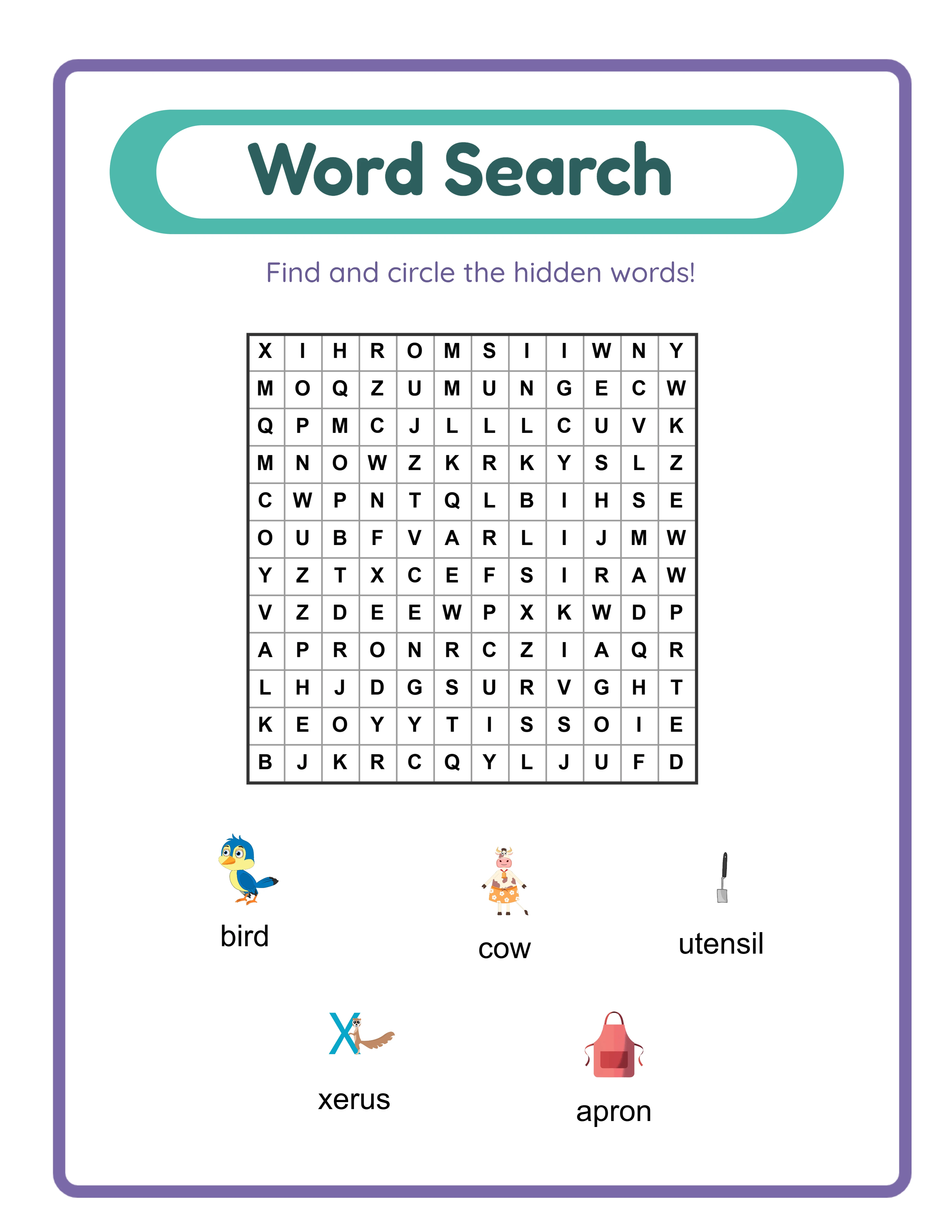
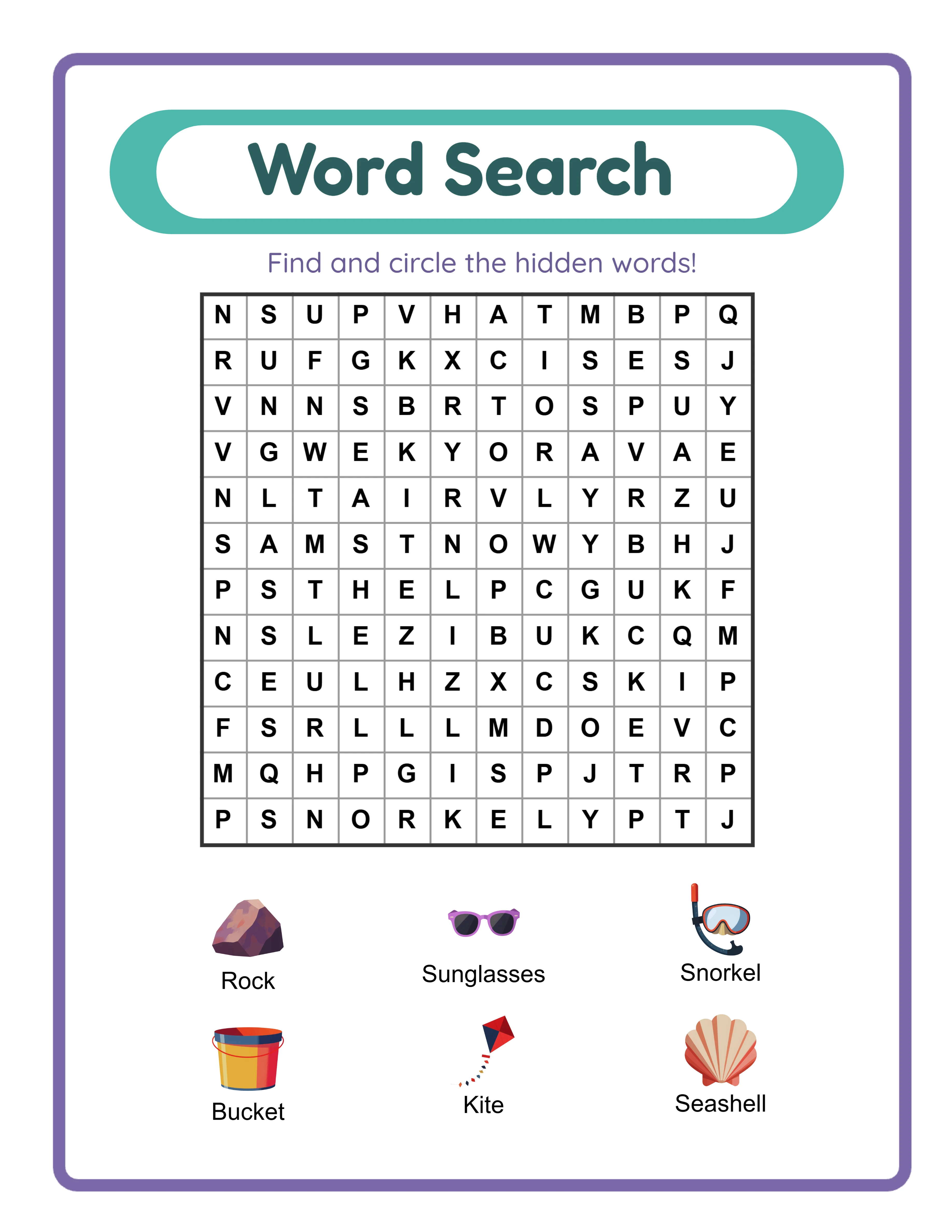
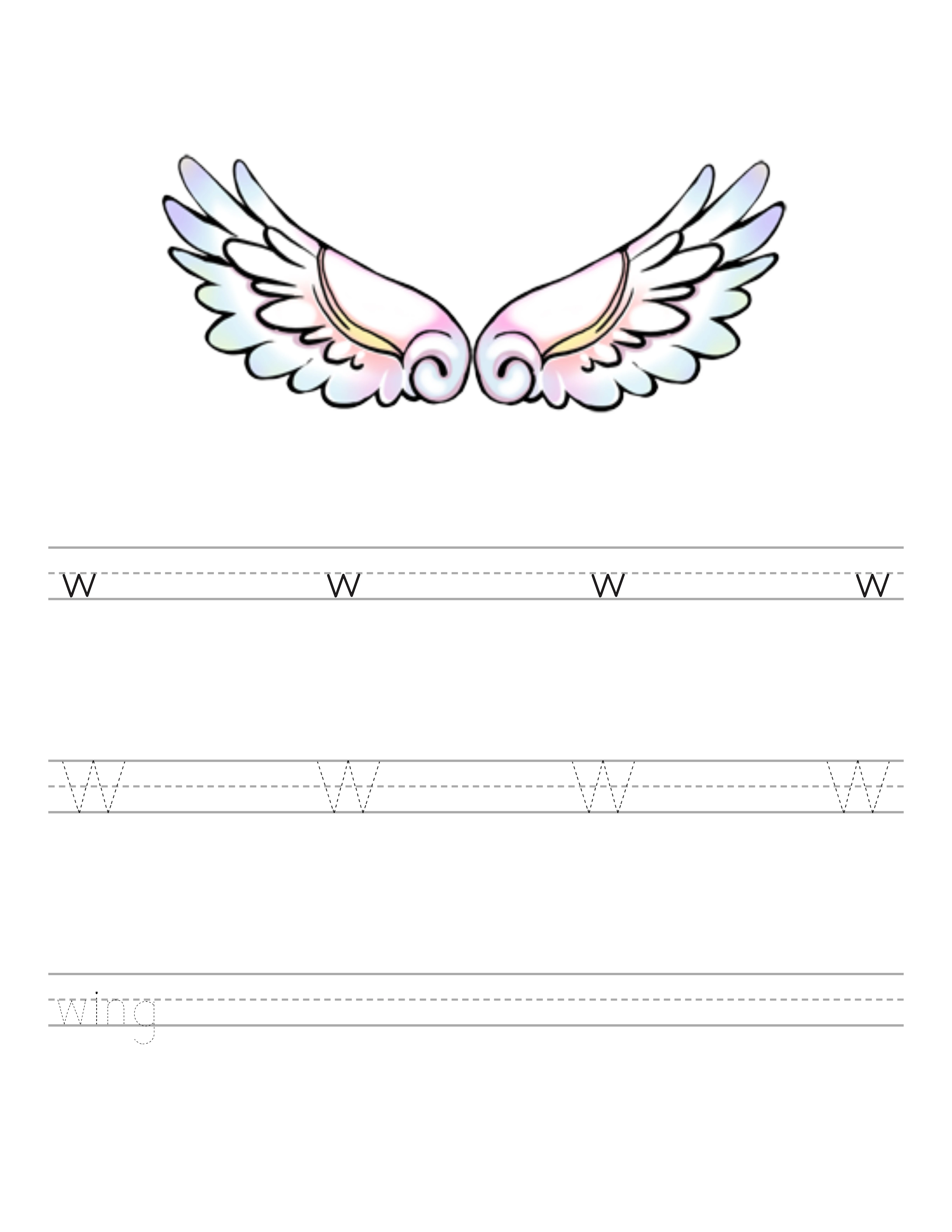
Elements that are generally not copyrightable include: mathematical facts and operations (2 + 3 = 5 is a fact, not creative expression), standard educational methods (tracing letters, fill-in-the-blank formats), common word lists (basic vocabulary words, sight word lists drawn from standard educational sources), alphabetical sequences, number sequences, and other factual orderings, and functional layouts dictated by the content itself rather than creative choice (such as a grid of math problems arranged in rows and columns).
Understanding this distinction prevents two common mistakes. First, it prevents you from overclaiming rights — sending cease-and-desist letters to competitors who simply created similar worksheets on the same topic, which would be meritless and potentially harmful to your reputation. Second, it prevents you from under-protecting your genuine creative work — failing to take action when someone actually copies your specific creative expression, layouts, or original content.
2
Know What Is and Is Not Copyrightable in Educational Worksheets
Educational worksheets exist in a particular copyright zone where much of the content is factual or methodological, but the creative presentation of that content can be highly original. Learning to identify which elements of your worksheets represent protectable creative expression helps you both protect your work effectively and understand the limits of that protection.
Elements that are NOT copyrightable in educational worksheets include basic math problems and their answers, standard letter formation guides, common phonics rules and spelling patterns, standard educational assessment formats like multiple choice or fill-in-the-blank, basic vocabulary words at any grade level, common educational instructions like "circle the correct answer" or "write the missing number," and any content drawn from standard curriculum frameworks that are themselves government-created works in the public domain.
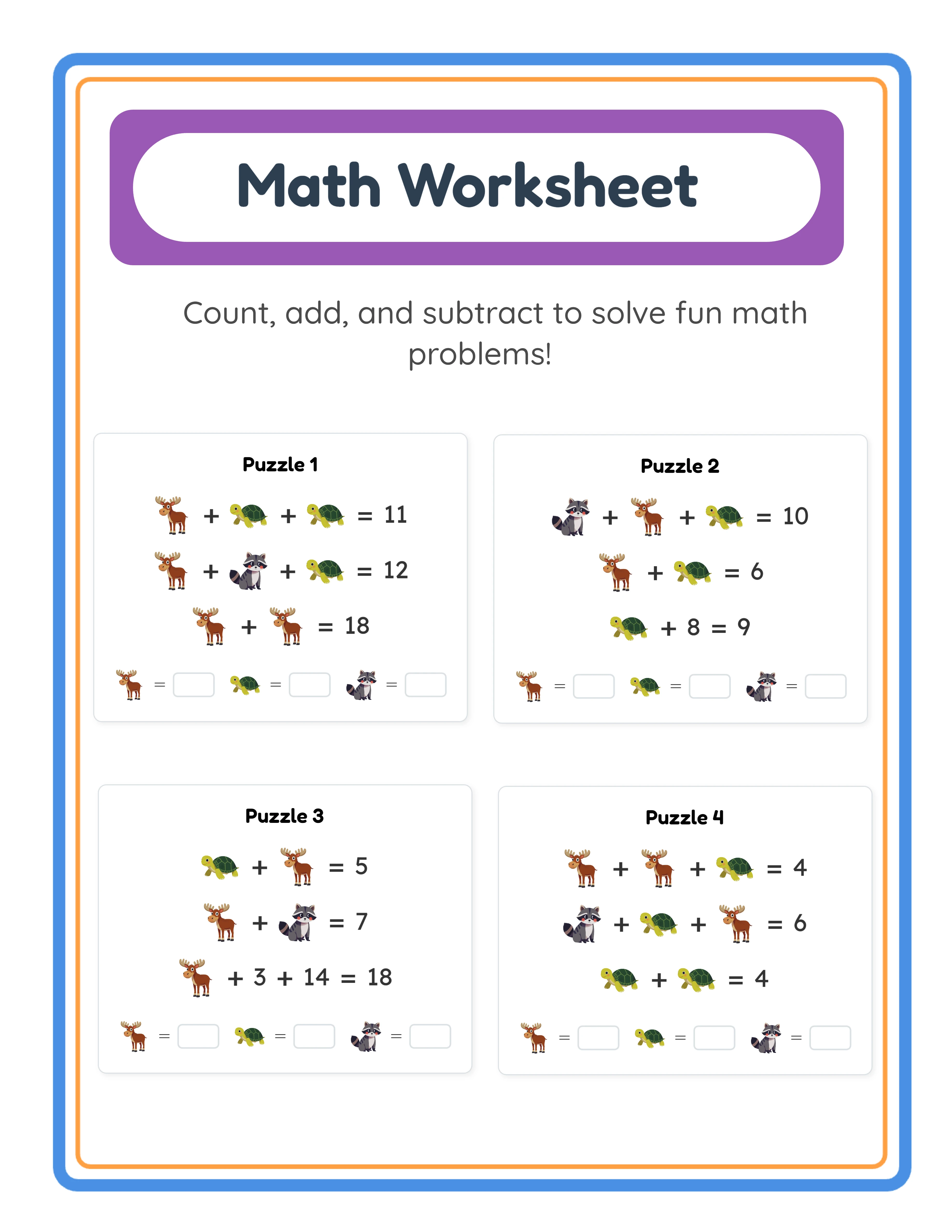
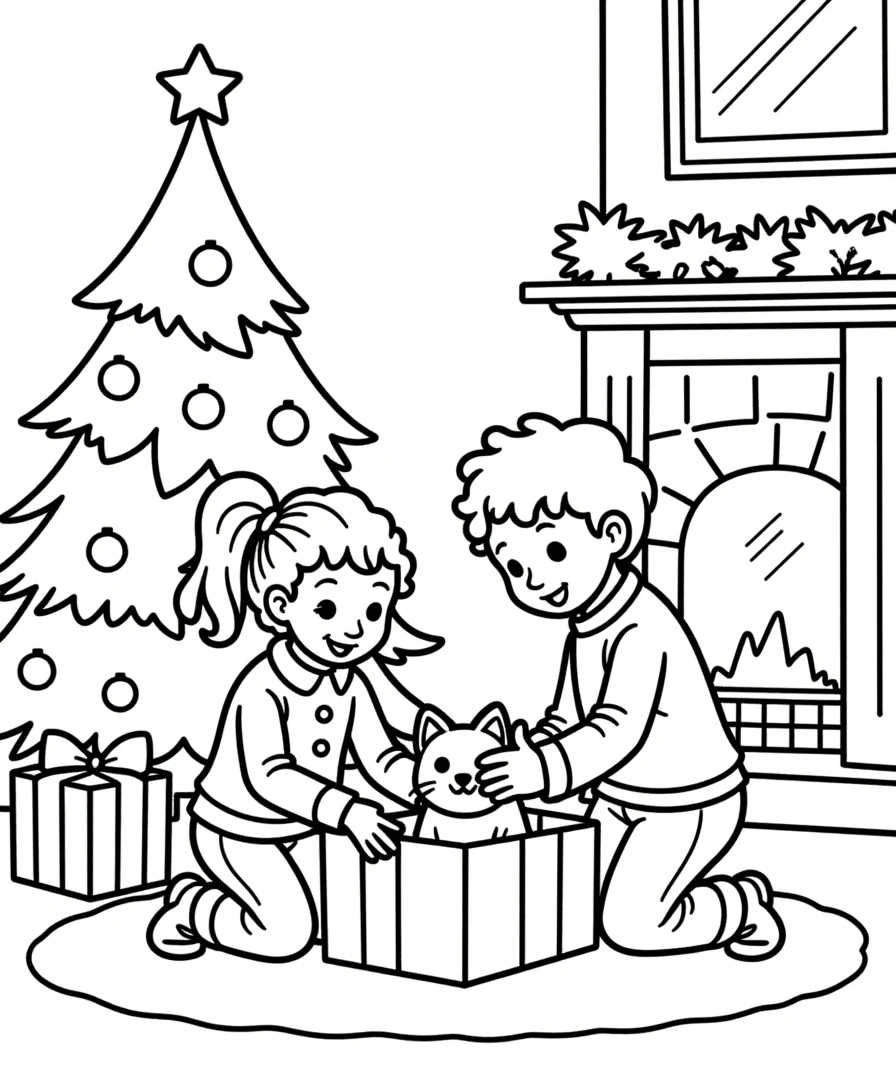
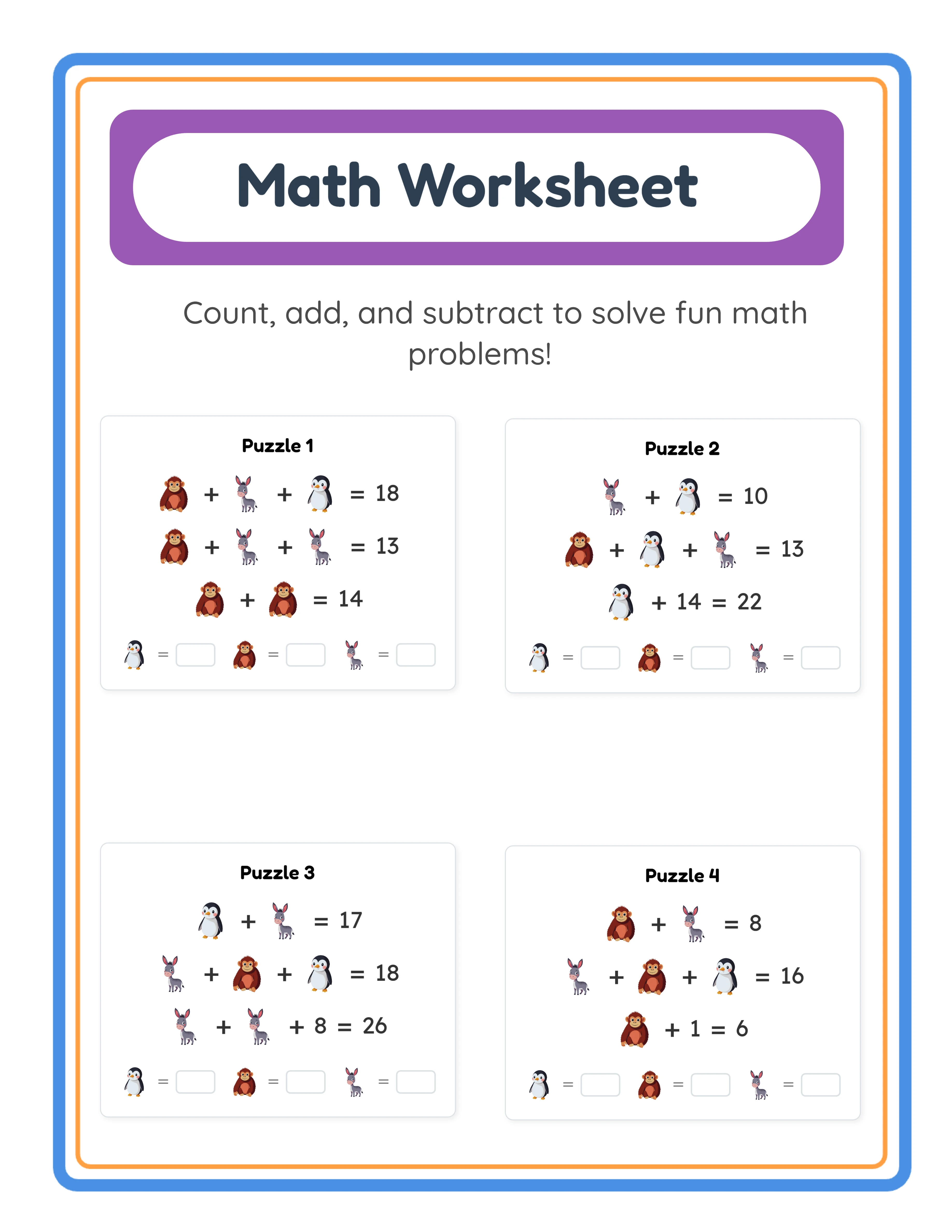
Elements that ARE copyrightable include your specific combination and creative arrangement of problems on a page, original themed content where you select and arrange educational content around a creative concept (animals in a forest solving math problems, for instance), unique instructional text that goes beyond standard directions, original illustrations, decorative elements, and character designs, creative page layouts that reflect aesthetic choices rather than pure functionality, and original storylines or narrative contexts you create to frame educational exercises.
The creative arrangement principle is particularly important for worksheet sellers. Even when individual elements (math problems, vocabulary words, letter tracing guides) are not copyrightable on their own, a sufficiently creative selection and arrangement of those elements can be. A worksheet that arranges 20 specific addition problems in a particular order, combines them with specific themed illustrations, frames them within an original story context, and presents them in a distinctive visual layout reflects enough creative choice to warrant copyright protection — even though each individual addition problem is a non-copyrightable fact.
This is why worksheet generators that produce professional layouts with themed imagery and creative arrangements produce output with meaningful copyright protection. The generator helps you make creative choices — theme selection, problem ranges, layout options, image combinations — that result in original creative expression. The output reflects your creative decisions implemented through the tool, much like a photograph reflects the photographer's creative choices implemented through a camera. You can try any generator as a free trial with watermark to see how creative arrangement choices produce original, protectable worksheet designs.
3
Protect Your Original Worksheet Designs
Copyright protection exists automatically the moment you create an original work and fix it in tangible form — saving a worksheet as a PDF file is sufficient fixation. You do not need to register, file paperwork, or add a copyright notice for basic protection to apply. However, several practical steps significantly strengthen your legal position and make enforcement easier if infringement occurs.
Include a copyright notice on every product you create. The standard format is the copyright symbol followed by the year of creation and your name or business name. While a copyright notice is not required for protection, it eliminates the "innocent infringement" defense — an infringer cannot claim they did not know the work was copyrighted if a clear notice appears on the product. Place the notice on each worksheet page or on a dedicated copyright page included in the PDF.
Consider registering your most valuable works with the U.S. Copyright Office (or the equivalent registration authority in your country). Registration is not required for copyright to exist, but it provides critical legal advantages. In the United States, registration before infringement occurs (or within three months of publication) enables you to seek statutory damages and attorney's fees in an infringement lawsuit. Without registration, you can only seek actual damages, which for a $5 worksheet pack are often too small to justify legal action. Registration effectively makes your copyright enforceable in practical terms. The registration fee is modest relative to the protection it provides for your most commercially important products.
Maintain organized records of your creation process. Save original design files, source documents, generator settings, and creation timestamps. If you ever need to prove that you created a work before an infringer, having documented creation records is invaluable. Cloud storage services like Google Drive and Dropbox automatically timestamp files, providing third-party verification of creation dates without any extra effort on your part.
Document the commercial value of your products by tracking sales data per product. If infringement occurs, demonstrating the commercial value of the infringed work strengthens any takedown request or legal claim. A product that has generated substantial sales and positive reviews is easier to defend than one with no sales history, because you can demonstrate both commercial harm and the market value of your creative work.
4
Understand Fair Use and Its Limits
Fair use is one of the most misunderstood concepts in copyright law, and misunderstanding it creates significant risk for printable sellers. Fair use is a legal defense that allows limited use of copyrighted material without permission for purposes such as criticism, commentary, news reporting, teaching, scholarship, and research. It is not a blanket permission to use copyrighted content in commercial products.
The critical point for printable sellers is that fair use is a defense, not a license. It does not grant permission in advance — it is an argument you can make in court if you are sued for copyright infringement. Courts evaluate fair use on a case-by-case basis using four factors: the purpose and character of the use (commercial uses are less likely to qualify), the nature of the copyrighted work, the amount of the copyrighted work used, and the effect of the use on the market for the original work.
For printable sellers, fair use rarely applies to the typical ways you might want to use copyrighted content. Creating worksheets that incorporate copyrighted characters, illustrations, or substantial text from copyrighted works is almost certainly not fair use, even when the end product is educational. The educational purpose factor does not override the commercial nature of selling the resulting worksheets. A worksheet featuring copyrighted cartoon characters sold on Etsy would fail the fair use analysis on multiple factors: it is a commercial use, it uses the creative heart of the copyrighted characters, and it potentially competes with officially licensed educational products featuring those characters.
The "educational purpose" exception that many sellers believe exists does not work the way they think it does. Individual buyers have broader fair use rights for materials used within their own personal or institutional settings for face-to-face instruction. But creating educational materials for commercial sale is not the same as personal use. When you create worksheets to sell, you are engaged in commercial activity regardless of the educational nature of the content. The educational defense protects someone who photocopies a poem for a group discussion, not a seller who incorporates copyrighted content into products for sale.
The practical rule for printable sellers is straightforward: do not incorporate copyrighted content from other sources into products you intend to sell. Use original content you create yourself, public domain materials, or resources with explicit commercial-use licenses. This approach eliminates fair use questions entirely because you are not using anyone else's copyrighted material in the first place.
5
Use Public Domain and Properly Licensed Resources
Public domain resources and properly licensed materials provide legitimate, risk-free content sources for your printable products. Understanding the differences between public domain, Creative Commons, and commercial licenses ensures you use resources legally and avoid accidental infringement.
Public domain works are not protected by copyright and can be used freely by anyone for any purpose, including commercial products. Works enter the public domain in several ways: copyright expiration (in the U.S., works published before 1929 are in the public domain as of 2024, with the cutoff advancing by one year annually), deliberate dedication by the creator (CC0 or "no rights reserved" designations), and U.S. government works, which are not eligible for copyright protection. Public domain resources require no attribution, no license fees, and no permission — they belong to everyone.
Creative Commons licenses are not the same as public domain, and the specific license type matters enormously. CC0 (Creative Commons Zero) is functionally equivalent to public domain — no restrictions at all. CC-BY (Attribution) allows commercial use but requires you to credit the creator. CC-BY-SA (Attribution-ShareAlike) allows commercial use with attribution but requires your derivative work to carry the same license. CC-BY-NC (Attribution-NonCommercial) prohibits commercial use entirely — you cannot use CC-BY-NC content in products you sell, regardless of whether the product is educational. CC-BY-ND (Attribution-NoDerivatives) prohibits creating modified versions. Always verify the specific Creative Commons license before using any CC-licensed content in your commercial products.
When using worksheet generators with built-in image libraries, verify the tool's license terms regarding the included imagery. Commercial licenses that cover the generated output, including embedded images, provide the cleanest legal foundation for selling worksheets. Check whether the license covers all intended uses — digital downloads, print-on-demand, marketplace listing, and multi-platform distribution. A generator that includes a commercial license for its output, including all built-in imagery, eliminates the need to separately license visual elements for each worksheet you create.
Stock image and illustration sources require careful license verification. A no-royalty license does not mean no cost or no restrictions — it means no per-use royalties after the initial license purchase. Many stock licenses restrict the number of copies, prohibit use in print-on-demand products, or require extended licenses for digital products sold in quantity. Read the actual license terms rather than assuming a no-royalty designation means unrestricted use. Using an image outside the scope of its license constitutes copyright infringement regardless of whether you paid for the initial license.
6
Handle Copyright Infringement of Your Products
When someone copies your worksheets and sells them as their own, you have several enforcement options ranging from informal contact to formal legal processes. Having a clear enforcement approach saves time and emotional energy when infringement occurs — and in a digital marketplace, it will occur eventually.
Before taking action, verify that actual infringement has occurred. Two worksheets covering the same educational topic with similar content are not necessarily infringing — remember that facts, ideas, and standard methods are not copyrightable. Look for copying of your specific creative expression: identical or near-identical layouts, copied original illustrations, duplicated instructional text, or reproduced design elements that reflect your particular creative choices. A competitor's addition worksheet that uses the same math problems is not infringement. A competitor's worksheet that reproduces your specific layout, illustrations, and text arrangements is.
Document the infringement thoroughly before taking any action. Take timestamped screenshots of the infringing listing, including the seller's name, listing URL, product images, and any visible product content. Compare these against your own original product, noting specific elements that were copied. Download any available previews of the infringing product. This documentation serves as evidence for any enforcement action you take and protects you in case the infringing listing is later modified or removed.
Start with a direct message to the infringing seller. Many infringement cases involve sellers who do not understand copyright or who purchased your product and resold it without realizing that purchasing a digital product does not include the right to resell it. A polite but firm message identifying the infringed work, explaining that the content is your copyrighted material, and requesting removal often resolves the issue without further escalation. Include links to your original listing and note the creation date that predates the infringing listing.
If direct contact fails or is not possible, file a DMCA takedown notice with the platform hosting the infringing content. Every major marketplace — Etsy, Amazon, Gumroad, Creative Fabrica — has a DMCA submission process, typically accessible through their help center or intellectual property reporting page. A valid DMCA notice requires: identification of the copyrighted work, identification of the infringing material, your contact information, a statement that you have a good-faith belief the use is not authorized, and a statement under penalty of perjury that your notice is accurate. The platform is legally required to respond to valid DMCA notices by removing or disabling access to the infringing content.
For persistent or large-scale infringement, consult a copyright attorney. If the same seller continues infringing after DMCA takedowns, or if your products are being copied systematically across multiple platforms, professional legal assistance may be warranted. Having registered your copyrights beforehand significantly strengthens your legal position in these situations, as registration enables statutory damages that make legal action economically viable even for relatively low-priced digital products.
7
Avoid Infringing Others Copyright
The most common copyright mistakes in the printable industry are not intentional piracy — they are well-meaning sellers who do not realize they are using copyrighted content without authorization. Understanding the most frequent mistake patterns helps you avoid them entirely.
Using copyrighted characters is the single most common and most serious infringement in the printable market. Popular cartoon characters, movie characters, video game characters, and book characters are all protected by copyright (and often trademark as well). Creating worksheets featuring these characters without a license from the rights holder is infringement regardless of whether you draw the characters yourself, trace them from existing images, or use a "similar but different" version. The rights holder does not need to prove you copied their exact image — any substantially similar depiction of their character infringes their copyright. Marketplaces actively enforce these rights and will remove listings and issue account warnings or suspensions for character infringement.
Using images found through web searches is the second most common mistake. Every image on the internet is copyrighted by default unless explicitly placed in the public domain or offered under a permissive license. Finding an image through Google Image Search does not grant any license to use it. The phrase "I found it on Google" is not a legal defense. Even images that appear on websites without visible copyright notices are copyrighted — copyright exists automatically upon creation and does not require a notice. If you need images for your worksheets, use properly licensed sources: stock image services with verified commercial licenses, public domain collections, CC0-licensed image repositories, or worksheet generators that include commercially licensed imagery in their output.
Copying competitor worksheet designs too closely is a subtler but real risk. While you can create worksheets on the same topics as competitors, reproducing their specific creative expression crosses the line. If a competitor has a distinctive worksheet layout with a particular arrangement of elements, original decorative borders, and unique instructional formatting, creating a worksheet that closely mirrors these specific creative choices may constitute infringement even if you recreate the elements yourself rather than directly copying files. Study competitor products for market research, but ensure your own products reflect your own creative decisions rather than replicating someone else's.
Using fonts without appropriate licenses is an often-overlooked copyright issue. Fonts are copyrightable creative works, and using a commercially licensed font in products you sell typically requires a commercial or extended font license beyond the basic desktop license. Many no-cost font downloads include licenses that restrict commercial use or require attribution. Always check font license terms before embedding fonts in worksheet products you intend to sell. System fonts and fonts explicitly licensed for commercial embedding (many Google Fonts, for example) are generally safe choices.
8
Build Copyright Awareness Into Your Business Operations
Copyright compliance is not a one-time checklist but an ongoing operational practice that should be integrated into your product creation workflow. Building systematic copyright awareness into your daily operations prevents problems before they arise and creates documentation that protects your business if disputes occur.
Create a resource verification step in your production workflow. Before using any image, font, illustration, or text from an external source in a worksheet, verify and document its license status. Maintain a simple spreadsheet or document listing every third-party resource you use, its source, its license type, and any attribution requirements. This resource registry takes minimal time to maintain but provides invaluable documentation if your right to use any resource is ever questioned. It also prevents the common situation where a seller uses a resource, forgets its source months later, and cannot verify whether they have a valid license.
Establish a copyright notice template for all your products. Standardize the placement and formatting of your copyright notice across your entire product line. Include your business name, creation year, and a brief statement of rights (such as "All rights reserved. This product is licensed for personal use by the original purchaser. Redistribution, resale, or sharing of these files is prohibited."). Consistent copyright notices across your catalog reinforce your ownership claims and set clear usage expectations for buyers.
Monitor marketplaces periodically for copies of your products. Set up keyword alerts or conduct monthly searches for your product titles, distinctive phrases from your listings, and reverse image searches of your product thumbnails. Early detection of infringement allows you to respond before the infringing listing gains sales momentum and buyer reviews that make enforcement more complicated. Several third-party tools and services exist specifically for monitoring digital product marketplaces for copied content.
Keep your original production files organized and backed up. Raw design files, generator configuration notes, original image files, and draft versions of your products all serve as evidence of original creation. If you ever need to prove that you created a work before someone else, having organized production files with timestamps from cloud storage or version control systems provides strong evidence. Store these files systematically by product and maintain backups in at least two locations.
Stay informed about copyright developments relevant to printable sellers. Copyright law evolves, marketplace intellectual property policies change, and new enforcement tools become available. Following printable seller communities, marketplace policy announcements, and educational resources about digital product copyright helps you stay current. When you learn about a new copyright issue or best practice, update your operational procedures accordingly. The goal is continuous improvement in your copyright practices rather than static compliance with a fixed set of rules.