Tutorial
1
Understand the Core Difference Between Digital and Physical Printable Products
The fundamental distinction between digital and physical printable products is who handles the printing. With digital downloads, the buyer receives a file and assumes responsibility for printing it on their own equipment or at a local print shop. With physical products, the seller handles all production and delivers a finished, tangible item. This single difference cascades into every aspect of the business model: pricing, margins, operations, scalability, customer expectations, platform selection, and growth trajectory.
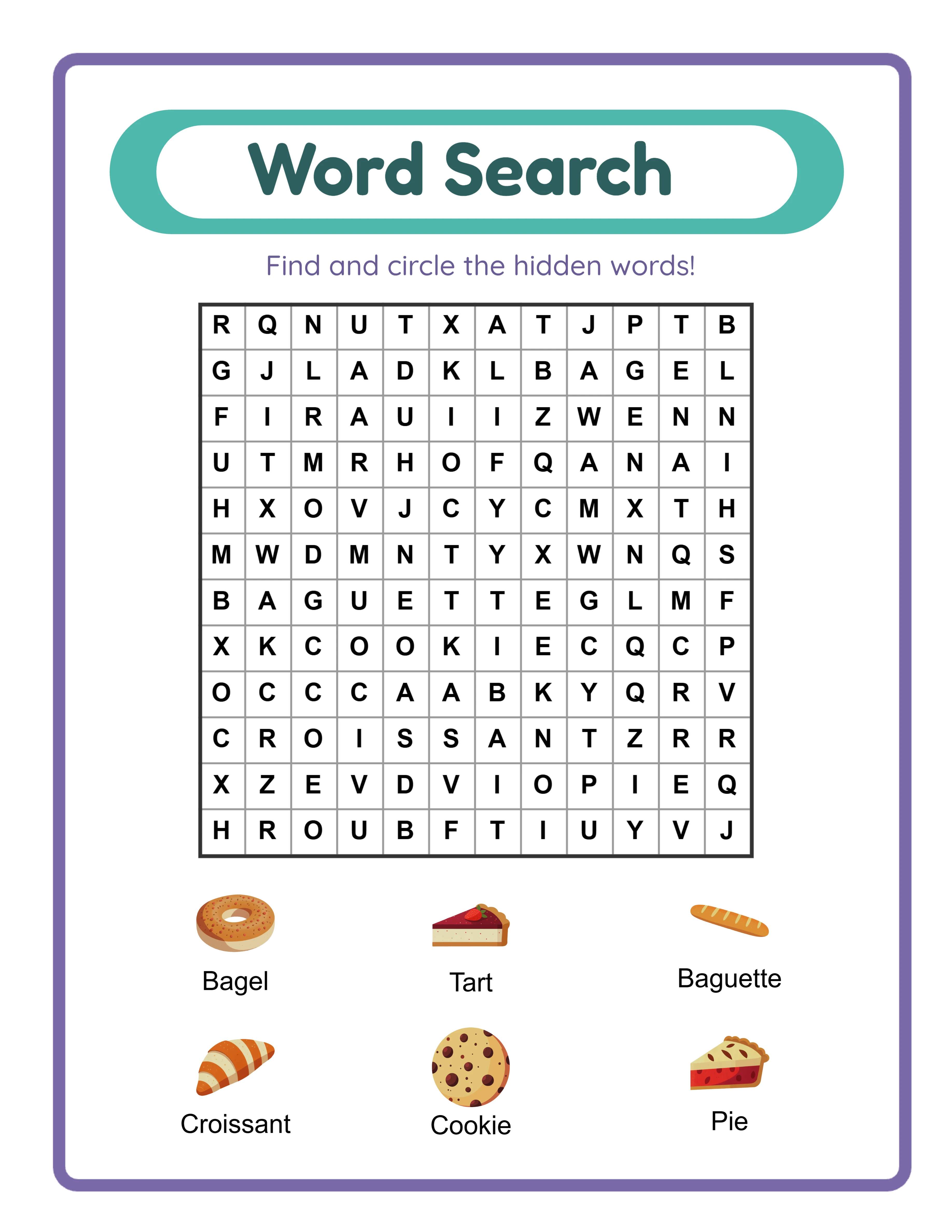
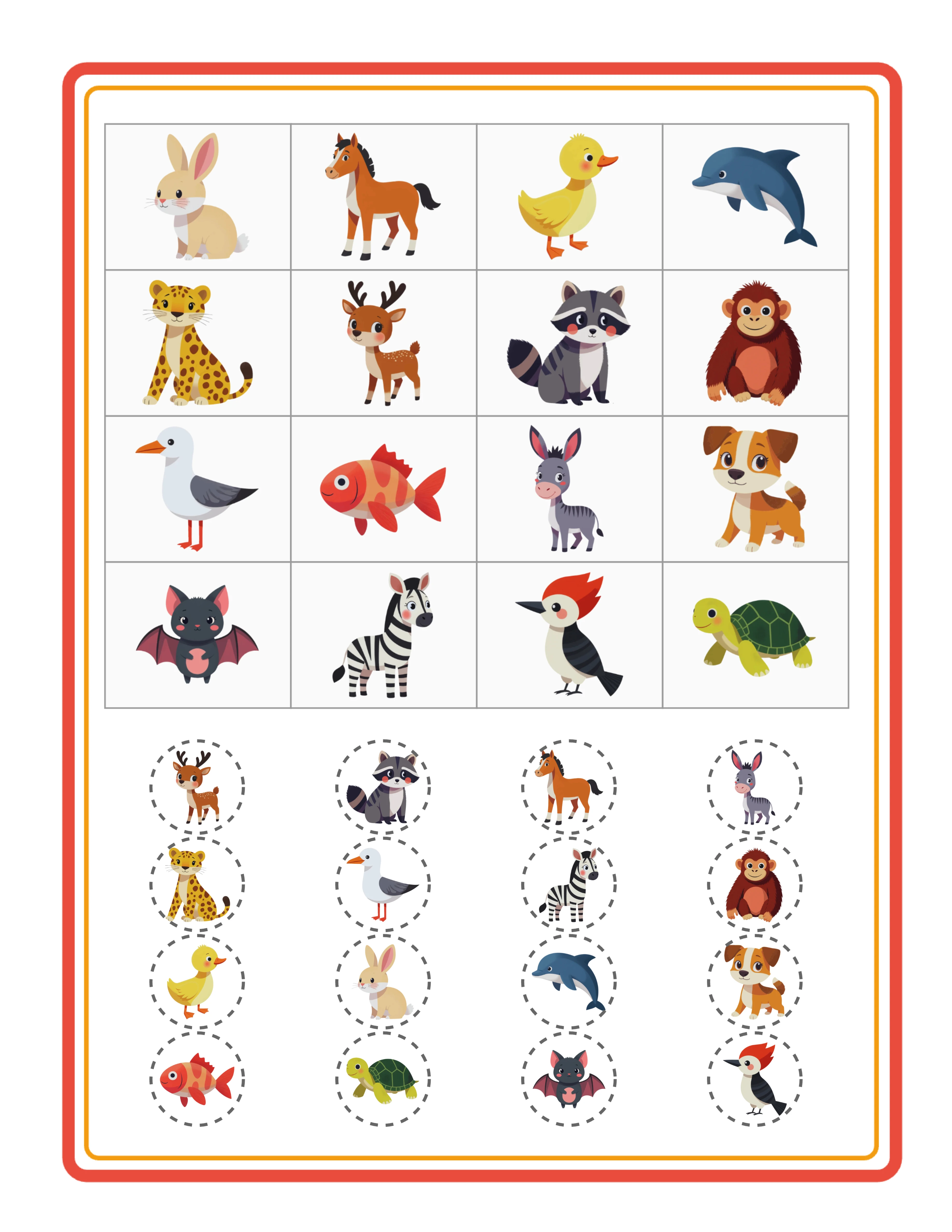
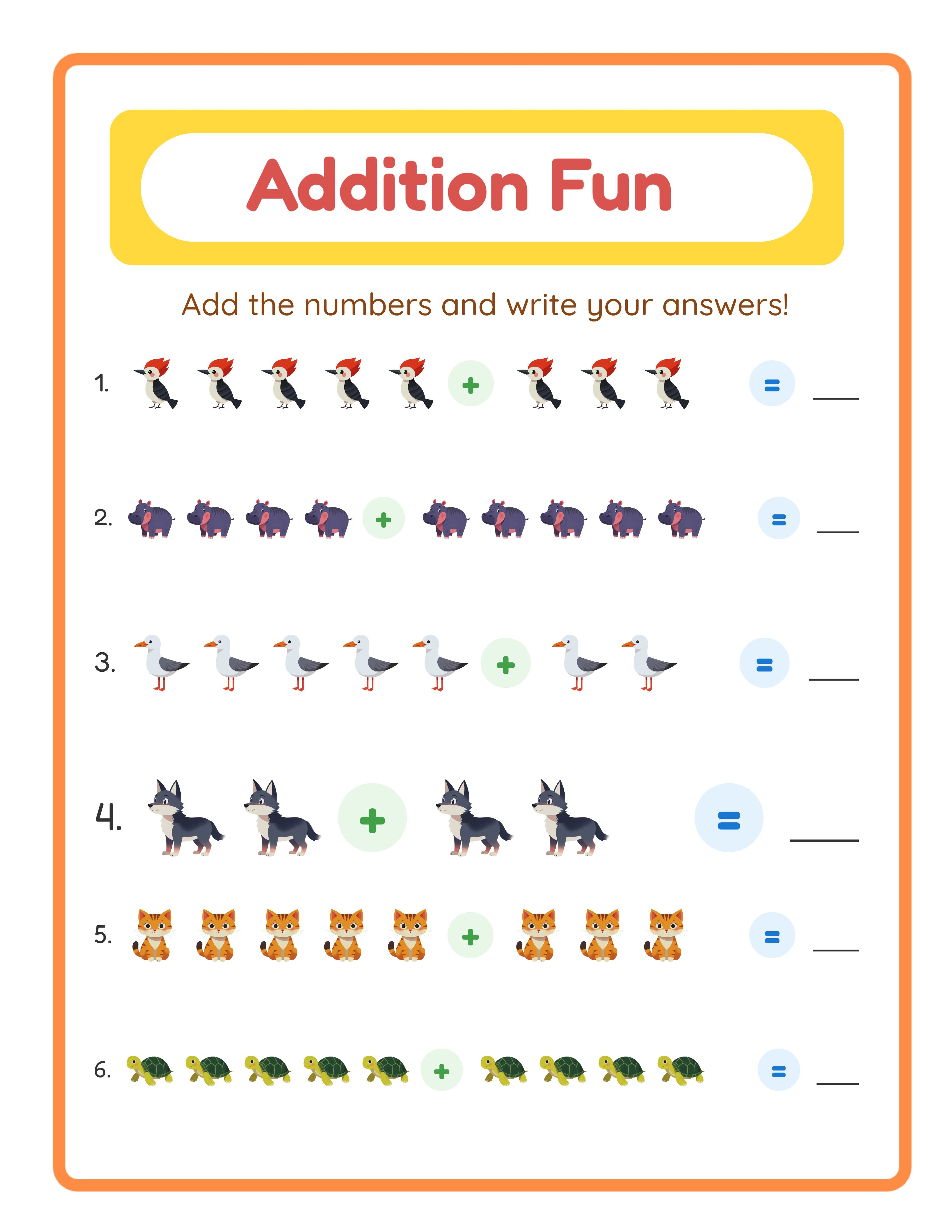
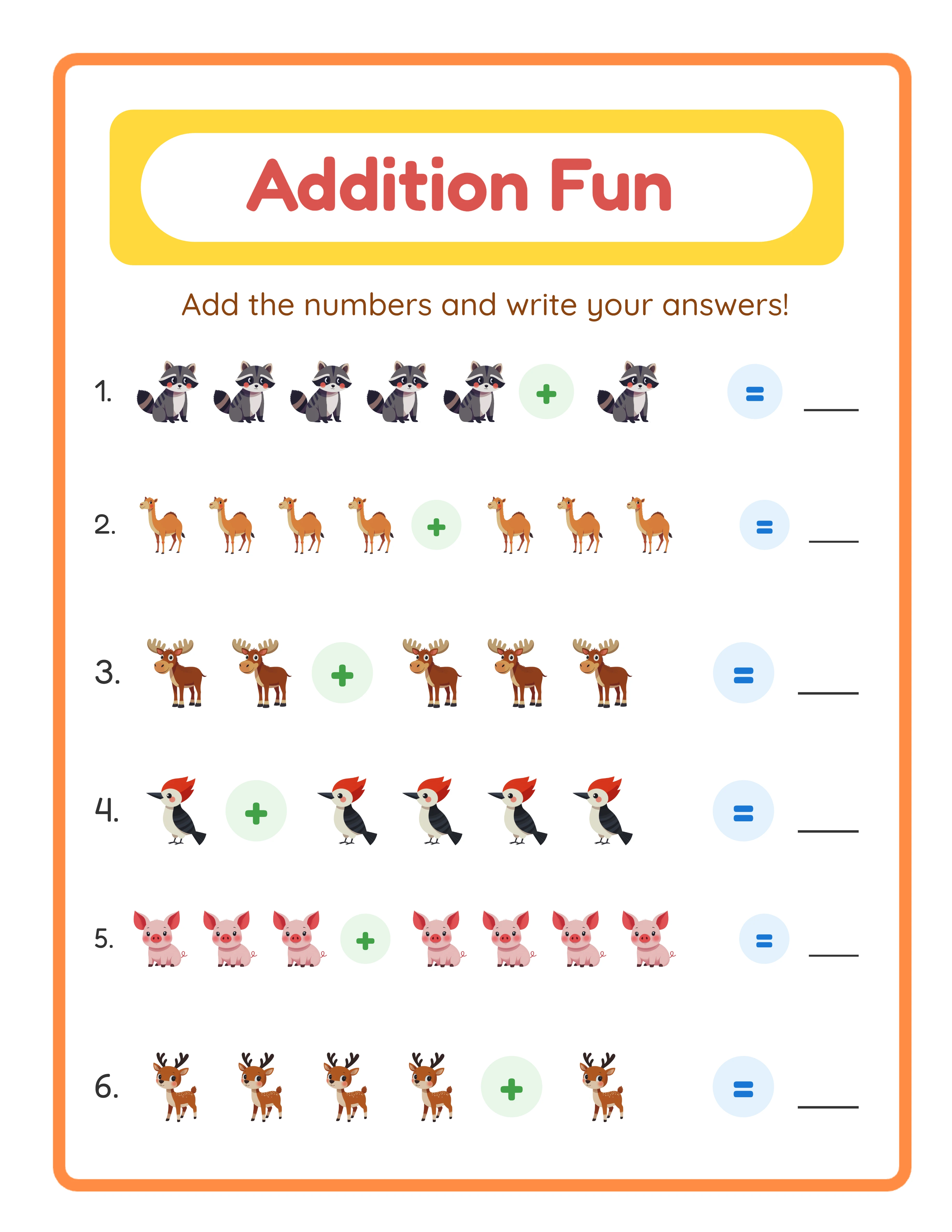
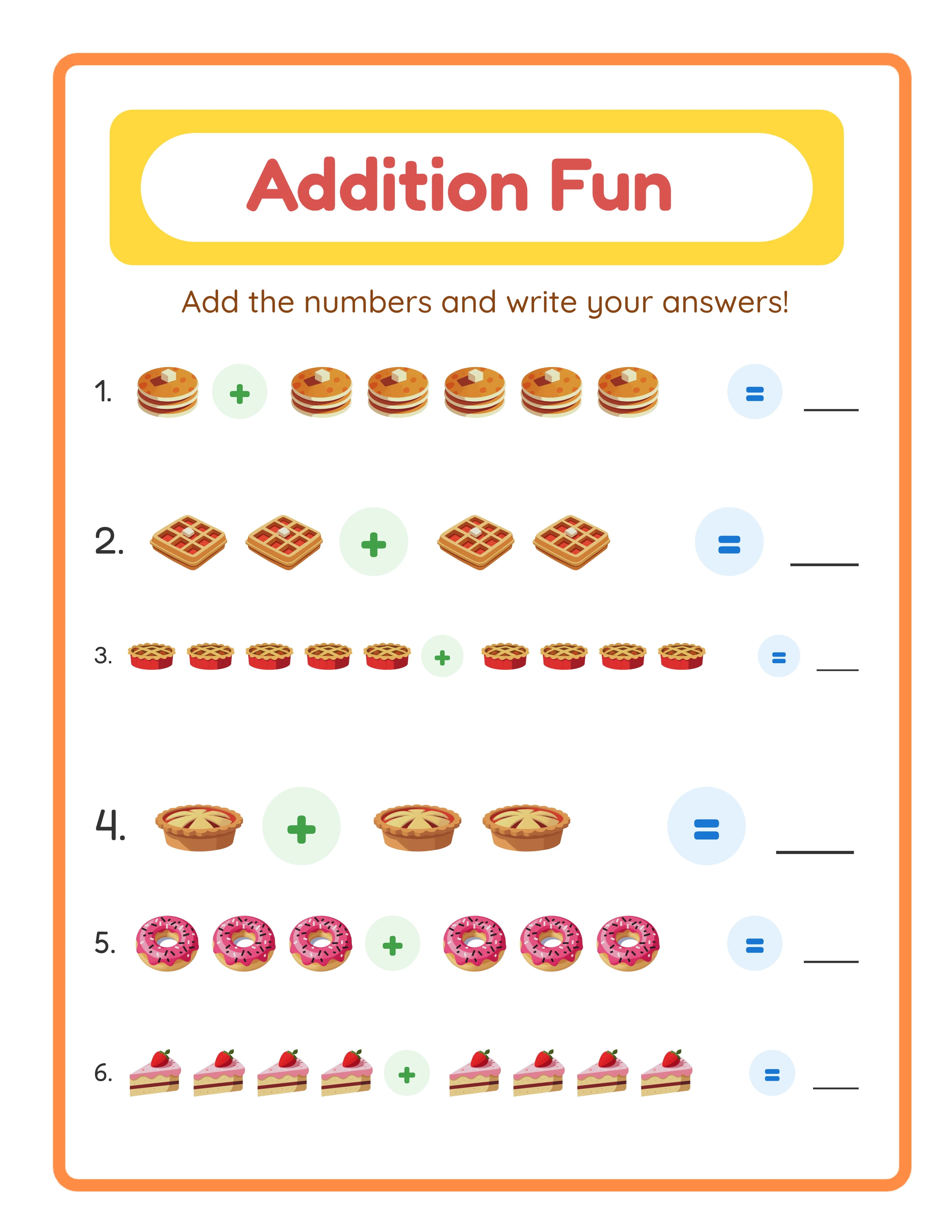
Digital printable products include PDF worksheets, PNG activity pages, JPEG coloring sheets, and similar files that buyers download immediately after purchase. The delivery is instant and automated — marketplaces like Etsy handle file delivery without seller involvement. The buyer can print one copy or fifty, on whatever paper they choose, at whatever size fits their needs. This flexibility is a genuine selling point for sellers who need batchs and parents who want to reuse activity pages. The seller creates the file once, lists it, and earns revenue from every sale with no additional production work.
Physical printable products are the same designs printed by the seller on selected paper stock, quality-checked, and shipped to the buyer. The product might be a spiral-bound workbook, a laminated activity set, a packaged bundle of themed worksheets, or a framed piece of educational wall art. The buyer receives something they can immediately use without needing a printer, quality paper, or any assembly. Physical products often include packaging touches — branded stickers, thank-you cards, protective sleeves — that create an unboxing experience digital products cannot replicate.
Print-on-demand (POD) services represent a hybrid model where the seller uploads digital files to a platform like Amazon KDP, and the platform prints and ships individual copies as orders arrive. The seller never touches the physical product. POD eliminates inventory risk entirely — no upfront printing costs, no unsold stock — but the per-unit margins are lower than self-fulfilled physical products because the platform takes a significant production fee. POD is particularly well-suited for book-format products like workbooks, coloring books, and activity compilations where professional binding adds substantial perceived value.
2
Compare Profit Margins Between Digital Downloads and Physical Products
Profit margins are the most significant operational difference between digital and physical formats, and understanding the math for both is essential for making an informed format decision. The numbers are straightforward but often misunderstood by sellers who focus on margin percentage without considering margin dollars per sale or total revenue potential.
Digital downloads have near-100% profit margins after marketplace fees. If you sell a digital worksheet pack for $4.00 on Etsy, your costs are approximately $0.20 (listing fee) plus $0.60 (transaction and payment processing fees), leaving roughly $3.20 in profit — an 80% margin. There are no material costs, no shipping costs, and no production time per sale. Your 1,000th sale of that product generates the same $3.20 profit as your first sale, with zero additional work. The economics improve further at higher price points: a $9.00 digital bundle yields approximately $7.50 profit per sale.
Physical products have lower margin percentages but often higher margin dollars per unit. A printed and bound workbook version of that same content might sell for $18.00. Printing costs run $2.00-$4.00 depending on page count and paper quality. Packaging materials add $0.50-$1.50. Shipping costs range from $3.50 for domestic media mail to $8.00 or more for priority or international shipping. Marketplace fees on an $18.00 sale are approximately $2.70. Total costs: approximately $9.00-$16.00 per unit, leaving $2.00-$9.00 in profit depending on shipping method and whether the buyer pays for shipping. The margin percentage (11%-50%) is lower than digital, but the absolute dollar profit per sale can be comparable or higher.
The volume dynamics differ substantially between formats. A digital seller can process 100 sales per day with no additional effort because delivery is automated. A physical seller processing 100 orders per day needs dedicated production time, packaging materials on hand, and daily shipping runs. At scale, physical sellers either invest in equipment and systems to increase throughput or hire help, both of which reduce margins further. Digital sellers face no such scaling constraints — the infrastructure handles unlimited simultaneous sales at the same margin.
Consider the lifetime revenue potential of each format. A digital product that sells 10 copies per month at $4.00 generates $480 per year in mostly passive revenue. The same content as a physical product selling 10 copies per month at $18.00 generates $2,160 per year in gross revenue but requires ongoing production work and generates lower net profit. Neither format is universally superior — the right choice depends on your pricing power, production efficiency, and how you value your time.
3
Evaluate Scalability and Operational Requirements for Each Format
Scalability is where the operational differences between digital and physical formats become most pronounced. Digital products scale with virtually no friction, while physical products hit operational ceilings that require deliberate investment to overcome. Understanding these scaling dynamics helps you choose a format that matches your growth ambitions and available resources.
Digital product operations are minimal and almost entirely front-loaded. The work happens during product creation: designing the worksheet, formatting the PDF, creating mockup images, writing the listing description, and publishing. Once a digital product is listed, it requires no ongoing operational attention beyond occasional listing optimization and customer support for download issues. A digital seller with 50 products in their catalog can manage the entire business in 5-10 hours per week, spending that time on new product creation and marketing rather than fulfillment. Adding a 51st product increases revenue potential without increasing operational burden.
Physical product operations are ongoing and scale linearly with order volume. Every sale triggers a production chain: print the pages, check quality, assemble or bind if applicable, package, label, and ship. A physical seller processing 5 orders per day might spend 2-3 hours on fulfillment. At 20 orders per day, fulfillment becomes a full-time job. At 50 orders per day, the seller needs either dedicated equipment (commercial printer, binding machine, packaging station) or hired help. Each scaling step requires capital investment and introduces management complexity that digital sellers never face.
Workspace requirements differ dramatically. A digital printable business can operate from a laptop at a kitchen table. A physical printable business needs a dedicated workspace with a quality printer, paper storage, packaging supplies, a shipping station, and room for inventory of pre-printed products if you batch-produce popular items. The workspace requirement grows with order volume — a seller processing 30 orders per day needs substantially more space and equipment than one processing 5.
Print-on-demand services solve the physical scaling problem by outsourcing production entirely. Amazon KDP, for example, handles printing, binding, packaging, and shipping for every order. The seller's operational involvement is identical to digital: create the file, publish the listing, and collect revenue. The tradeoff is reduced per-unit margins because the POD service retains a production fee. For sellers who want physical products in the market without physical production infrastructure, POD is the scalability sweet spot.
Consider your 12-month vision when evaluating scalability. If you want a business that generates revenue while you sleep, digital downloads and POD are the natural fits. If you enjoy the hands-on craft of production and want to build a physical product brand with premium positioning, self-fulfilled physical products can command prices and customer loyalty that digital products rarely achieve.
4
Assess Customer Expectations and Experience for Both Formats
Customer expectations vary significantly between digital and physical buyers, and meeting or exceeding those expectations determines your review ratings, repeat purchase rates, and long-term business reputation. Misunderstanding what each customer segment expects is a common source of negative reviews and returns that are entirely preventable.
Digital download buyers expect instant delivery. The file should be available for download within seconds of purchase completion. They expect the file to be clearly formatted, print-ready, and compatible with standard home printers. They expect clear instructions specifying recommended paper size, print settings (color vs. grayscale, single-sided vs. double-sided), and any assembly steps. They accept that print quality depends on their own printer and paper — but they do not accept files that are poorly formatted, have cut-off margins, or look different from the listing preview images. Include a "how to print" instruction page in every digital download to preempt the most common support questions.
Physical product buyers expect professional quality from the moment they open the package. The paper stock should feel substantial, not flimsy. Colors should be vibrant and match the listing photos. Pages should be aligned, cleanly cut, and clear of smudges or printing artifacts. If the product is bound, the binding should be secure and allow pages to lay flat. Packaging should protect the product during shipping — arriving with bent corners or water damage from inadequate packaging generates immediate negative reviews. Physical buyers are paying a premium specifically because they expect a finished, professional product that exceeds what they could produce at home.
Return and complaint patterns differ between formats. Digital buyers rarely request refunds for quality issues but may complain about file format compatibility, unexpected page counts, or listing photos that do not accurately represent the product content. Physical buyers may request returns for shipping damage, print quality below expectations, or products that differ from listing photographs. Digital returns are simpler (no product to ship back) but some sellers struggle with the intangibility — a buyer who claims the file "did not download properly" presents a support challenge that physical sellers do not face.
Repeat purchase behavior also varies by format. Digital buyers who find a seller whose products consistently print well and match listing descriptions become loyal repeat customers because they trust the quality. Physical buyers who receive a beautifully packaged, professionally printed product develop brand loyalty reinforced by the tangible experience. Both formats can build strong repeat customer relationships, but the loyalty triggers are different: digital loyalty comes from reliable quality and breadth of catalog, while physical loyalty comes from the premium experience and the convenience of receiving ready-to-use products.
5
Choose the Right Platforms for Your Format
Platform selection and format choice are deeply interconnected because different marketplaces are designed around different fulfillment models. Choosing the wrong platform for your format means fighting against the platform's infrastructure rather than leveraging it.
Etsy is the dominant marketplace for digital printable downloads. Its digital delivery system handles file hosting and automatic delivery to buyers, making it effortless for sellers to list and sell digital products. Etsy also supports physical product listings with integrated shipping label purchasing and tracking. Many successful printable sellers on Etsy offer both formats of the same product as separate listings, letting buyers choose their preferred experience. The Etsy audience actively searches for both "printable worksheets" (digital) and "printed worksheets" (physical), making it viable for either format.
Amazon KDP is purpose-built for print-on-demand books and workbooks. If your products can be formatted as bound books — coloring books, activity workbooks, puzzle compilations, educational workbooks — KDP handles printing, binding, fulfillment, and customer service. You upload the interior PDF and cover design, set your price, and Amazon manages everything else. KDP royalties are lower than direct sales margins, but the platform provides access to Amazon's massive customer base and eliminates all production logistics. KDP is particularly strong for products with 50 or more pages that justify a book format.
Shopify and similar independent platforms give you complete control over both digital and physical sales. You handle your own marketing and traffic generation, but you keep higher margins and own the customer relationship. Digital delivery apps automate file distribution, and you can integrate shipping solutions for physical orders. An independent platform works best for sellers who have already built an audience through social media, email lists, or other channels and want to maximize margins by removing marketplace fees.
Craft fairs and local markets are exclusively physical product venues that offer high per-unit margins and immediate customer feedback. Sellers who enjoy face-to-face interaction and have products that display well in person (laminated activity sets, bound workbooks, framed educational posters) can generate significant revenue from local events. The limitation is geographic reach and time investment — each event requires physical presence, booth setup, and inventory transport.
Gumroad is a specialized marketplace for educational resources that supports digital downloads and is heavily used by buyers seeking store materials. If your printable products are education-focused, Gumroad provides access to a concentrated buyer audience of buyers with purchasing budgets. The platform's audience expects digital delivery and is accustomed to downloading and printing resources, making it a natural fit for digital-format educational printables.
6
Consider the Hybrid Model: Selling Both Digital and Physical Versions
The hybrid approach — offering the same product in both digital and physical formats — captures both market segments without requiring entirely different product lines. Many of the most successful printable sellers operate hybrid businesses, and the economics strongly favor this approach because the digital version is created first at zero marginal cost, and the physical version uses the same design files with added production steps.
The hybrid model works by pricing each format to reflect its value proposition and cost structure. The digital version sells at a lower price point ($3-$8 for individual products, $8-$15 for bundles) targeting buyers who want instant access, printing flexibility, and lower cost. The physical version sells at a premium ($12-$25 for individual products, $25-$50 for bundles) targeting buyers who want professional quality, zero effort, and a tangible product. Both versions use identical design files, so the only additional investment for the physical version is the production workflow.
Natural upsell opportunities emerge in the hybrid model. A buyer who purchases the digital version and loves it may return for the physical version as a gift or for a different use case. A buyer browsing physical listings who finds the price higher than expected may notice the digital alternative and purchase that instead — a sale that would have been lost entirely without the digital option. Some sellers offer a slight discount when buyers purchase both formats together, creating a bundle incentive that increases average order value.
The hybrid approach also provides valuable market intelligence. Sales data reveals whether your customer base skews digital or physical, which products perform better in each format, and whether certain seasons drive more physical purchases (holiday gifts, back-to-school supply shopping) while others drive more digital purchases (immediate-need learning activities, last-minute party games). This data informs future product development decisions: products that sell overwhelmingly as digital downloads may not justify the effort of physical production, while products with strong physical sales signal opportunities for premium physical-only variations.
Implementing a hybrid model requires managing two listing types per product on platforms that support both. On Etsy, this means maintaining separate digital and physical listings with format-specific photos, descriptions, and pricing. The product preview images should clearly indicate whether each listing delivers a digital file or a physical product — ambiguity about format is one of the most common sources of customer complaints and returns. Use listing titles, descriptions, and the first listing photo to communicate format unambiguously.
7
Plan Your Production Workflow for Your Chosen Format
Establishing an efficient, repeatable production workflow is essential for both formats, but the complexity and ongoing time investment differ significantly. Digital workflows are front-loaded (most work happens during creation), while physical workflows have significant per-order production requirements.
The digital production workflow follows a straightforward sequence: design the product using a worksheet generator or design tool, format the output as a print-ready PDF with correct margins and bleed settings, create mockup images showing the product in attractive context, write the listing description with keyword optimization, and publish. You can try any worksheet generator as a free trial with watermark to evaluate output quality before committing to a production workflow. Once published, the only ongoing tasks are responding to customer questions and periodically updating listing SEO. This workflow allows a single seller to maintain a catalog of hundreds of products because there is no per-sale production work.
The physical production workflow adds substantial steps after the digital file is finalized: select appropriate paper stock (weight, finish, brightness), test-print to verify color accuracy and margin alignment, batch-print orders using a quality printer with reliable consumables, quality-check each printed piece for defects (smudges, misalignment, color inconsistency), assemble multi-page products (collating, binding, laminating), package products with protective materials and any branded inserts, print shipping labels, and deliver packages to the carrier. Each of these steps requires time, supplies, and attention to maintain consistent quality.
Batch production is the key to physical product efficiency. Instead of producing each order individually as it arrives, batch similar orders and print them together. Print all copies of your most popular product at once, then switch to the next product. This minimizes printer setup changes, paper stock switches, and packaging transitions. Some physical sellers pre-produce inventory of their top 10 products so orders can ship same-day from stock rather than being produced on demand. Pre-production requires upfront capital for materials but dramatically reduces fulfillment time.
Equipment selection for physical production significantly impacts quality and efficiency. A laser printer produces sharper text and more durable output than an inkjet for worksheet-style products, though inkjets may produce better results for full-color illustrations and coloring pages. A paper cutter ensures clean, professional edges. A binding machine (comb, coil, or saddle-stitch depending on product type) adds perceived value and justifies higher pricing. Laminating equipment extends product durability for items like flashcards and wall charts. Each equipment investment increases your production capability and the quality tier you can offer.
8
Transition Between Formats or Expand as Your Business Grows
Most printable sellers start with one format and expand to the other as their business matures. Understanding the natural transition paths helps you plan your growth strategy and allocate resources effectively rather than trying to launch both formats simultaneously when your energy should be focused on establishing the business.
The most common starting point is digital downloads because the barrier to entry is essentially zero. You need a computer, design capability (or a worksheet generator), and a marketplace account. There is no investment in printing equipment, paper stock, packaging materials, or shipping supplies. Digital-first sellers can test product ideas quickly, identify which designs generate sales, and build a revenue base before considering physical expansion. Starting digital also builds the product catalog that forms the foundation of any future physical product line — every digital product you create is a potential physical product waiting for production.
Transitioning from digital to physical is the most natural expansion path. Once you have sales data showing which digital products sell consistently, those proven sellers become your first physical product candidates. You already have customer-validated designs, marketplace visibility, and review history. Adding a physical listing for a proven digital product is lower risk than launching an untested physical product because you know the design appeals to buyers. Start with your top 3-5 sellers in physical format, test pricing and production workflow, and expand physical offerings based on results.
The reverse path — starting with physical products and adding digital — is less common but equally viable. Sellers who begin at craft fairs or local markets with printed products can expand their reach by listing digital versions on Etsy or their own website. The digital version requires minimal additional work since the design files already exist. This path is particularly effective for sellers who have built a local customer base and brand reputation through physical sales and want to reach a national or international audience without the shipping logistics of fulfilling distant physical orders.
Print-on-demand serves as a stepping stone between formats. A digital-first seller who wants to test physical product demand without investing in production equipment can list products on Amazon KDP or similar POD platforms. If the physical versions sell well, the seller has validated demand and can consider transitioning to self-fulfilled physical production for higher margins. If physical sales are modest, the POD listings continue generating additional revenue without ongoing effort.
Avoid the temptation to launch both formats simultaneously when starting your business. The learning curve for each format — listing optimization, customer support patterns, production efficiency (for physical), pricing strategy — demands focused attention. Master one format, establish reliable revenue, and then expand to the second format with the operational knowledge and financial cushion your first format provides.