Tutorial
1
Deliver a Product Experience That Naturally Earns Positive Reviews
Product quality is the non-negotiable foundation of every review generation strategy. No amount of follow-up messaging, clever insert pages, or timing optimization will generate positive reviews for a mediocre product. Buyers who receive a professionally formatted, educationally sound, print-ready worksheet that exceeds their expectations will naturally feel motivated to share that experience. Buyers who receive a product with formatting issues, incorrect content, or poor print quality will either leave a negative review or — more commonly — simply never return to leave any review at all, silently disappearing as a lost customer.
Professional formatting is the first quality signal buyers evaluate when they open your file. Consistent margins that prevent content from being cut off during printing. Clear, readable fonts at appropriate sizes for the target age group. Properly aligned elements that demonstrate design competence rather than hastily assembled layouts. Headers, instruction text, and answer spaces that are logically organized and intuitively navigable. Worksheet generators help maintain this formatting consistency across your entire catalog because they produce output according to standardized layout templates rather than relying on manual placement that varies from product to product.
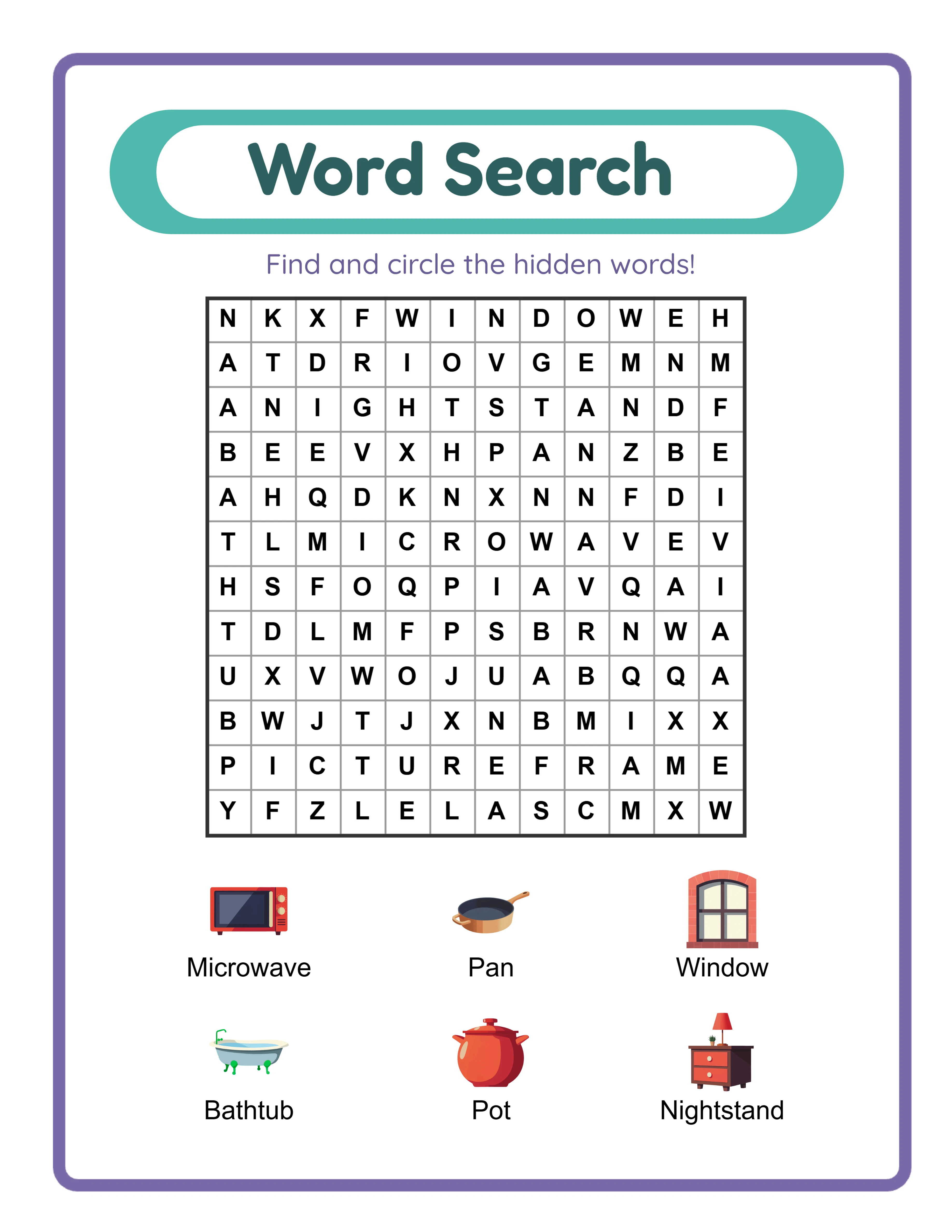
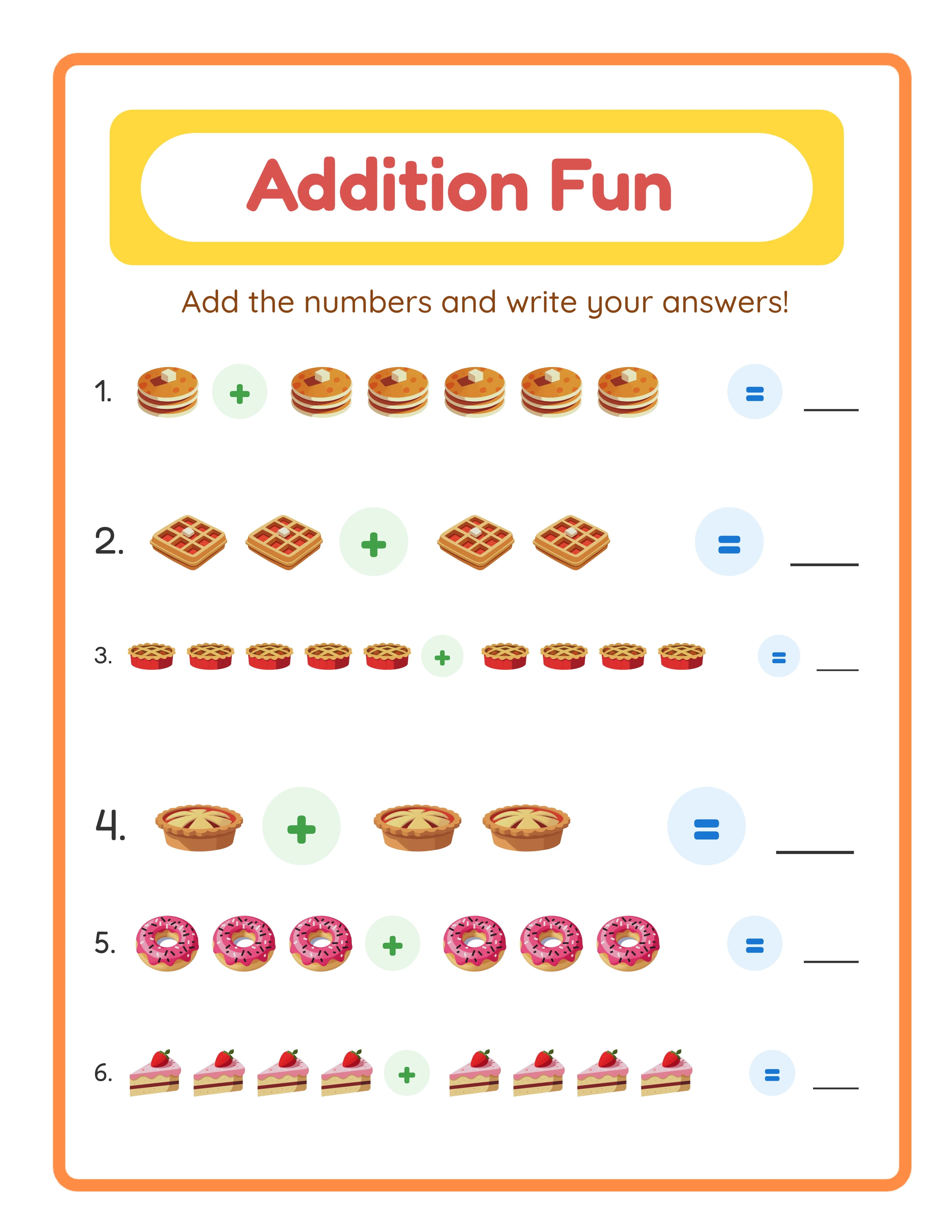
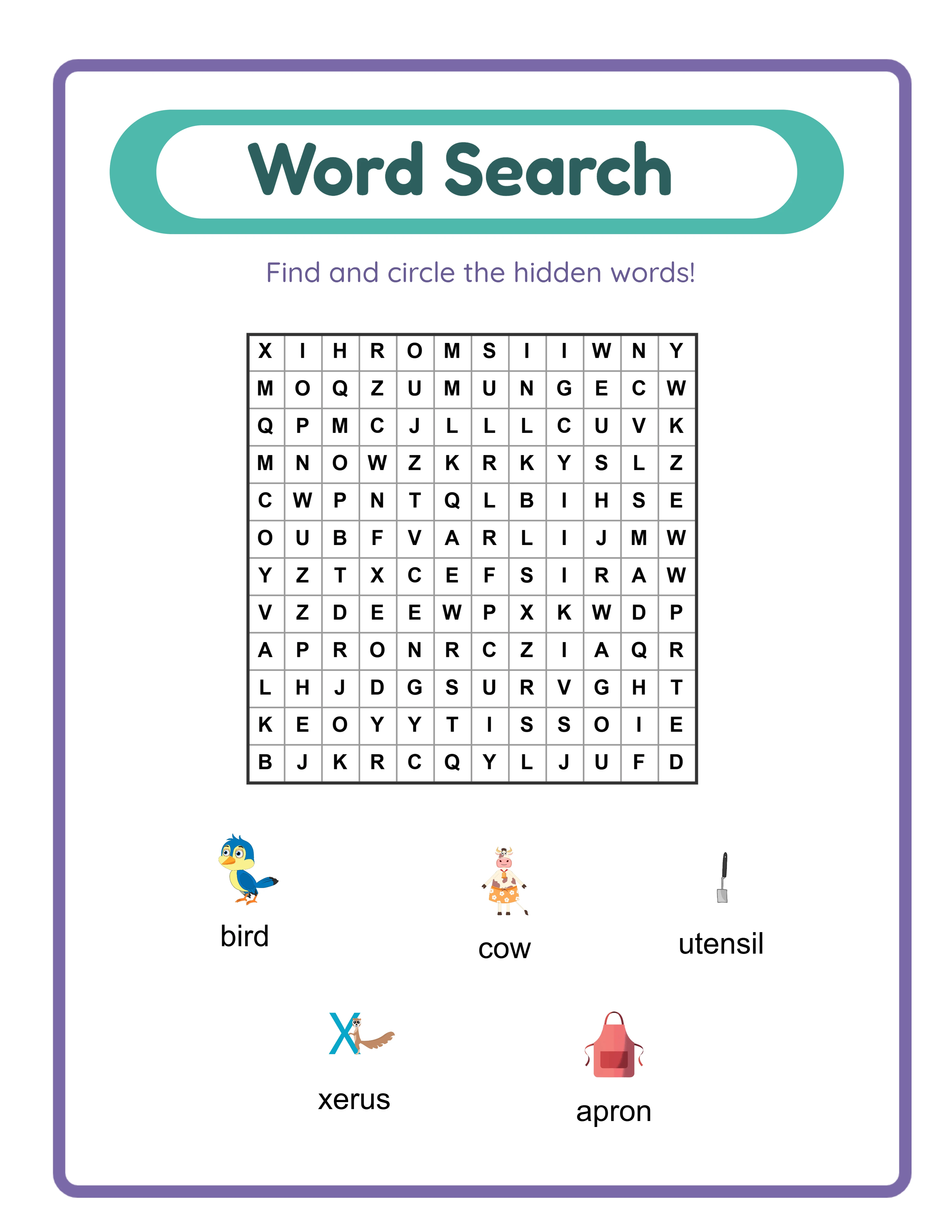
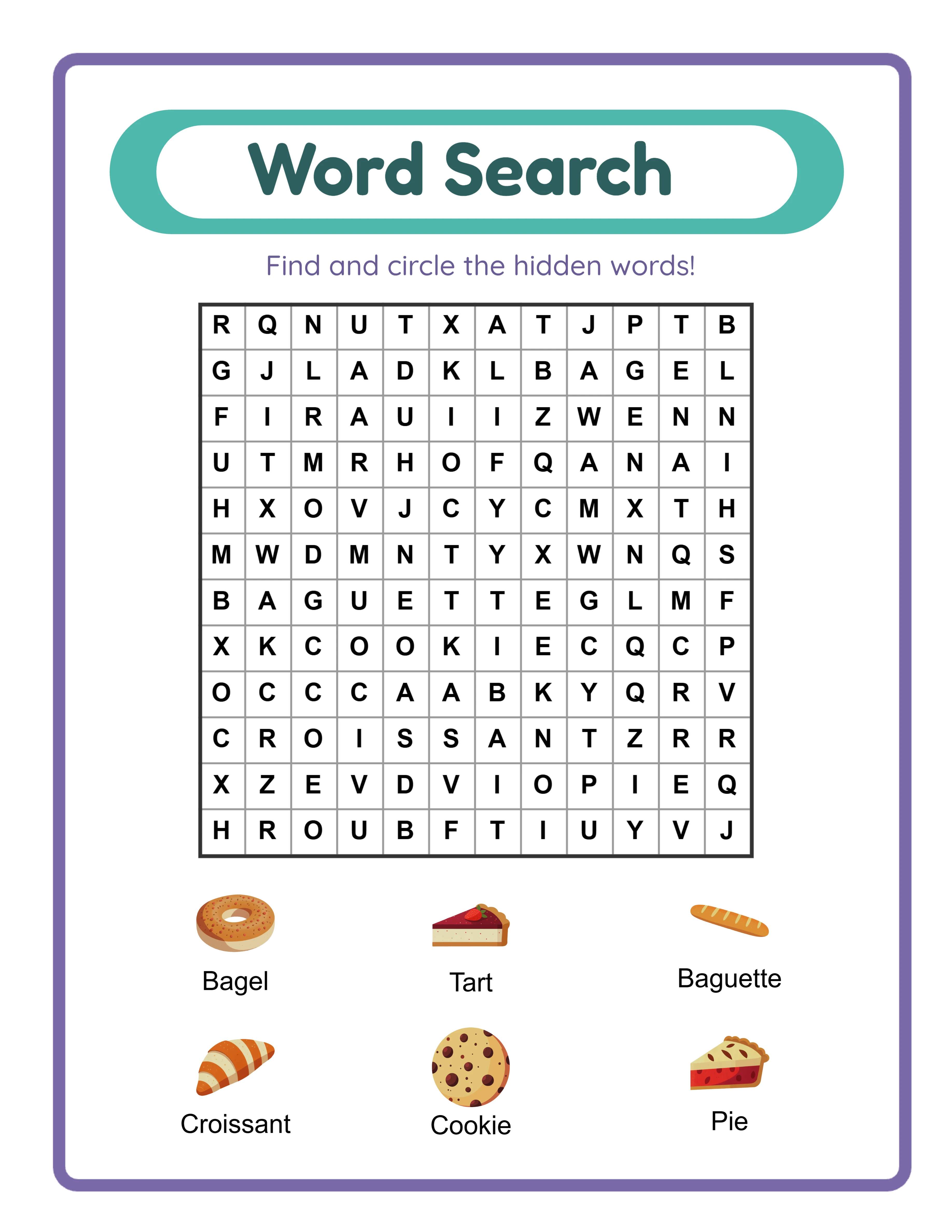
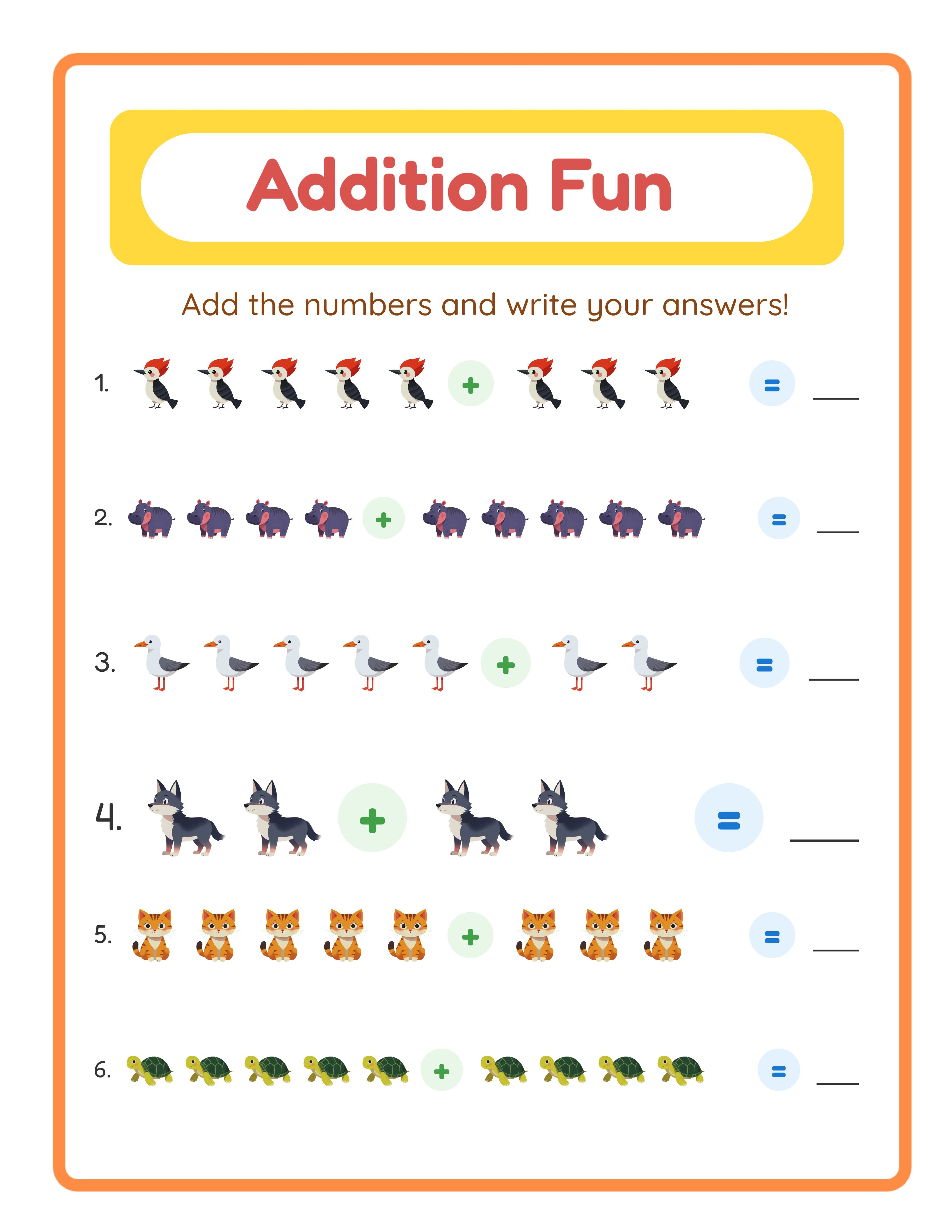
Content accuracy is the quality factor that most directly determines review sentiment. A math worksheet with incorrect answers in the answer key generates immediate negative reactions from buyers who trusted your product and assigned it to their class. A word search with misspelled words damages your credibility with buyers who expect educational materials to model correct language. A coloring page with broken outlines that bleed during printing frustrates parents who prepared an activity for their child. Every content element in every product must be verified before listing: every math problem must have a correct answer, every word must be spelled correctly, every page must print cleanly at the specified paper size. This verification step is non-negotiable regardless of how urgently you want to publish.
Include unexpected value that delights buyers beyond their baseline expectations. A math worksheet pack that includes a bonus progress tracking chart. A word search collection that includes a vocabulary review page. A coloring page set that includes a color mixing guide. These additions take minimal effort to create but significantly shift the buyer's perception from "I got what I paid for" to "I got more than I expected." That shift in perception is the difference between a buyer who is satisfied but does not bother to leave a review and a buyer who feels compelled to tell others about the positive experience.
Print quality testing is a step that many digital sellers skip but that directly impacts review sentiment. Download your own product file and print it exactly as a buyer would — on a standard home printer using default settings. Check that images are sharp, text is crisp, lines are clean, and nothing is positioned where printer margins cut it off. Test on both letter and A4 paper sizes if your product supports both. A product that looks perfect on screen but prints poorly generates complaints that feel unfair to the seller but are entirely legitimate from the buyer's perspective. You can try any worksheet generator as a free trial with watermark to evaluate print quality before committing to a production workflow.
2
Create a Seamless Download and Usage Experience
The post-purchase experience begins the moment a buyer completes their transaction, and every friction point between purchase and successful use reduces the likelihood of a positive review. A buyer who downloads your file, opens it easily, understands the contents immediately, prints it without issues, and uses it successfully with their solvers is a buyer primed to leave a positive review. A buyer who encounters confusing file names, unclear printing instructions, unexpected file formats, or compatibility issues is a buyer whose frustration will either surface in a negative review or prevent them from engaging with the product at all.
File naming is the first post-purchase touchpoint and sets the tone for the entire experience. Name your files descriptively so buyers can identify the contents without opening each one: "Addition-Worksheets-Animals-Grade1-20pages.pdf" communicates exactly what the file contains. Avoid generic names like "worksheet-final.pdf" or coded names like "PROD-2847-v3.pdf" that force buyers to open files to determine their contents. If your product includes multiple files, use a consistent naming convention with logical numbering or categorization that makes the collection immediately navigable.
Include a clear instructions page as the first or second page of every digital product. This page should specify: recommended paper size (letter, A4, or both), suggested print settings (color or grayscale, single-sided or double-sided), file format and software compatibility, total page count and contents overview, and any preparation needed before use (cutting, laminating, assembling). Buyers who print worksheets successfully on their first attempt associate that smooth experience with your product quality. Buyers who waste paper on incorrectly printed pages associate the frustration with your product, even if the issue was their printer settings rather than your file.
Test the complete download-to-usage path from a buyer's perspective on multiple devices and platforms. Download your product file through each marketplace where you sell and verify the file opens correctly on common PDF readers (Adobe Acrobat, Preview on Mac, Microsoft Edge, Chrome's built-in viewer, and mobile PDF apps). Test on both desktop and mobile devices, since many buyers initially access their purchases from their phone. If your product requires specific software or fonts, state this requirement prominently in your listing and on the instructions page — never assume buyers have specialized software installed.
Organize multi-file products with a logical structure that guides buyers through the contents. If your product includes worksheets, answer keys, and supplementary materials, group them clearly: either in separate labeled files or in clearly marked sections within a single PDF. A single, well-organized PDF is often preferable to a zip file containing multiple documents, because zip files create an additional extraction step that some buyers find confusing. When you must use multiple files (for products with different paper size versions, for example), include a brief readme document that explains the file organization and directs buyers to the correct version for their needs.
3
Include a Professional Thank-You Insert That Encourages Feedback
A thank-you insert is a branded page within your digital download that serves three purposes: it thanks the buyer for their purchase, it provides helpful usage context, and it includes a polite review request. This insert is your most reliable review prompt because it reaches every single buyer at the moment they are engaging with your product — unlike follow-up emails that may be missed, filtered, or ignored. A well-designed insert feels like a natural part of the product rather than a separate marketing message, which makes the review request feel genuine rather than transactional.
Design your insert page to match the visual quality and branding of the rest of your product. Use the same color scheme, fonts, and design elements as your worksheets so the insert feels like a cohesive part of the product rather than an aftermarket addition. Include your brand logo, a warm thank-you message, and one or two specific usage tips relevant to the product type. A math worksheet insert might suggest: "For best results, start with the first five pages as a warm-up activity, then progress to the more challenging problems." A coloring page insert might suggest: "These designs work beautifully with colored pencils, crayons, or markers — printing on thicker paper prevents bleed-through with markers." These tips demonstrate expertise and care while giving the buyer actionable value.
Frame your review request around helping other buyers rather than helping your business. Buyers are significantly more receptive to "Your honest review helps other buyers find resources that work for their needs" than "Please leave a 5-star review to support our shop." The first framing positions the buyer as a helpful community member sharing their experience. The second framing positions them as doing a favor for a business — which feels transactional and can actually reduce review likelihood. Never ask specifically for a positive review or a particular star rating. Ask for honest feedback and trust that your product quality will earn the positive sentiment naturally.
Include a direct link or clear instructions for how to leave a review on the specific platform where the buyer purchased the product. On Etsy, this means directing them to their purchase history where the review option appears. On Amazon, this means reminding them they can leave a review on the product page. On Gumroad, this means pointing them to the review section of the product listing. Reducing the effort required to leave a review is one of the most effective ways to increase review rates — many buyers who intend to leave a review never complete the action simply because they do not remember how to navigate to the review form when the impulse strikes.
Position your thank-you insert strategically within the product file. Placing it as the very first page means buyers see it before engaging with the product, when they have no experience to review yet. Placing it as the very last page means buyers may never reach it if they print only the pages they need. The most effective position is typically the second page — after a cover page but before the worksheet content begins. This placement ensures buyers see the insert early, absorb the usage tips before starting the worksheets, and encounter the review request while they are in a positive, anticipatory mindset about the product they just purchased.
4
Follow Up With Buyers at the Right Time
Timing is the single most important variable in review request effectiveness. A request that arrives before the buyer has used the product feels premature and is easily dismissed. A request that arrives weeks after purchase, when the buyer has forgotten the details of their experience, lacks the emotional momentum that drives someone to write a review. The optimal timing window is when the buyer has had enough time to download, print, and use the product at least once — but recently enough that the experience is still fresh and the positive impressions are top of mind.
For most printable products, this optimal window falls between 5 and 10 days after purchase. This timeframe allows for the typical buyer journey: downloading the file within a day or two of purchase, printing it within the following few days, and using it at least once in practice or at home before the review request arrives. Some product types may warrant longer windows — a comprehensive workbook that a buyer plans to use over several weeks might deserve a 14-day delay to allow for meaningful usage, while a single-page coloring activity might be used within a day of purchase, making a 3-day follow-up appropriate.
Use marketplace messaging features to send follow-up messages where platform terms permit. Not all platforms allow or encourage seller-initiated post-purchase communication, so verify the current terms of service for each marketplace before implementing follow-up messaging. Where permitted, your follow-up message should lead with value rather than a review request. Open with a genuine check-in: "I wanted to make sure your [product name] downloaded correctly and is working well for your class." Follow with a specific usage tip or suggestion related to the product. Close with a natural mention of reviews: "If you have a moment, I'd love to hear how the worksheets worked for your solvers — your feedback helps me create better resources and helps other buyers find what they need."
The tone of your follow-up communication directly impacts whether it generates a positive response or annoyance. Write as a real person having a genuine conversation, not as a business executing a marketing playbook. Use the buyer's first name if available. Reference the specific product they purchased rather than using a generic template that feels mass-produced. Express genuine interest in how the product worked for their specific situation. Buyers can immediately distinguish between a seller who cares about their experience and a seller who is mechanically soliciting reviews — and they respond accordingly.
Never send more than one follow-up message per purchase. A single, well-timed, value-driven follow-up is professional and appreciated. A second message repeating the review request crosses into nagging territory and can generate negative sentiment that results in either an annoyed review or an unfollow from your shop. If the buyer does not respond to your follow-up or does not leave a review, accept that outcome gracefully. The majority of buyers will never leave reviews regardless of how perfectly you execute your review strategy — your goal is to increase the percentage who do, not to achieve a 100% review rate, which is neither realistic nor necessary for business success.
5
Respond to Every Review — Positive and Negative
Review responses are visible not just to the reviewer but to every prospective buyer who reads your product reviews before making a purchase decision. A seller who responds thoughtfully to reviews demonstrates active engagement, professionalism, and customer care — qualities that reduce purchase hesitation for undecided buyers. Research consistently shows that products with seller responses to reviews convert at higher rates than products with unresponded reviews, because the responses signal that a real person stands behind the product and will be available if the buyer needs support.
For positive reviews, respond with specific gratitude that references what the reviewer mentioned. If a reviewer says "My solvers loved the animal theme," respond with something like "Thank you so much for sharing that — the animal theme is one of our most popular, and it's wonderful to hear your solvers enjoyed it." This specificity shows you actually read the review rather than posting a generic "Thanks for your review!" response to every comment. Specific responses also create an additional piece of content that reinforces the product's strengths for prospective buyers who are reading through reviews to evaluate the product.
Negative reviews require a more careful response strategy, but they are equally important to address — and in some ways more valuable as trust-building opportunities. When a buyer leaves a negative review, prospective buyers watch how you handle it. A defensive, dismissive, or argumentative response confirms the negative reviewer's complaint and signals that the seller is difficult to work with. A constructive, empathetic, solution-oriented response can actually build more trust than the negative review damaged, because it demonstrates accountability and customer commitment.
Respond to negative reviews by following a consistent structure: acknowledge the concern without defensiveness, take responsibility where appropriate, offer a specific solution, and express willingness to make things right. For example: "Thank you for your feedback. I'm sorry the difficulty level didn't match what you needed for your class. I'd be happy to recommend a different set that might be a better fit for your solvers' level, or I can provide suggestions for adapting these worksheets. Please do not hesitate to reach out directly so I can help." This response validates the buyer's experience, offers concrete assistance, and demonstrates to all readers that you take customer satisfaction seriously.
Use negative review themes as diagnostic data rather than personal criticism. If multiple reviews mention the same issue — confusing instructions, difficulty level mismatch, printing problems on A4 paper — that is actionable feedback pointing to a genuine product improvement opportunity. Address the recurring issue in the product itself (update instructions, add difficulty level guidance, include A4-compatible formatting), then respond to the reviews noting that the issue has been addressed. This visible improvement cycle demonstrates to prospective buyers that your products get better over time based on real user feedback, which is a powerful trust signal that generic product listings cannot convey.
Set a schedule for checking and responding to reviews across all platforms where you sell. A daily 5-minute review check ensures you never leave reviews unaddressed for extended periods. Timely responses are more impactful than delayed ones because the reviewer is still engaged with the interaction, and prospective buyers see active seller participation rather than weeks-old unanswered feedback. Many marketplaces also notify reviewers when a seller responds, creating an additional touchpoint that reinforces the buyer's positive association with your brand.
6
Optimize Product Listings to Set Accurate Expectations
Many negative reviews result from mismatched expectations rather than actual product quality problems. A buyer who expects 30 pages and receives 15 feels cheated, even if the product is excellent. A buyer who expects full-color worksheets and receives grayscale pages is disappointed, even if grayscale was the intentional design choice. A buyer who expects third-grade difficulty and finds the content too easy for their solvers leaves a negative review about product quality when the actual issue was a mismatch between the listing description and the buyer's needs. Preventing expectation mismatches is one of the most effective ways to eliminate negative reviews at their source.
Your product title should communicate the essential specifications that buyers use to evaluate fit: subject, format, grade level or age range, and page count. "Addition Worksheets — Grade 1 — Animal Theme — 20 Pages with Answer Keys" tells the buyer exactly what they will receive. Compare this with "Fun Math Practice for Kids" — a title that sounds appealing but communicates almost nothing about what the buyer will actually get. The specific title attracts buyers who genuinely need first-grade addition practice, while the vague title attracts anyone searching for math materials, many of whom will be disappointed when the product does not match their unspoken assumptions about difficulty level, format, or content type.
Product preview images should accurately represent the actual product rather than idealized mockups. Show real pages from the product at readable resolution so buyers can evaluate the formatting, difficulty level, content style, and visual design before purchasing. Include at least one preview showing the answer key format, one showing the instruction or cover page, and two or three showing representative worksheet pages. If your product includes variety (different difficulty levels or different activity types within one pack), show examples of that variety rather than only the most visually appealing pages. Buyers who see accurate previews and then receive a product that matches those previews are satisfied customers. Buyers who feel the previews were misleadingly selective leave reviews expressing that disappointment.
The product description should explicitly state what is included AND what is not included. Specify: total page count, number of activity pages versus instruction and answer pages, difficulty level with specific examples (single-digit addition, sums to 20, no regrouping), file format (PDF), paper size compatibility (letter, A4, or both), color versus grayscale, and whether answer keys are included. If your product requires specific materials or preparation (scissors for cut-and-paste activities, colored pencils for coloring elements), state this clearly. Eliminating ambiguity in your listing eliminates the category of negative reviews that begin with "I expected..." or "I thought this would include..."
Review your existing listings periodically through a buyer's eyes. Read the title, description, and preview images as if you knew nothing about the product beyond what the listing communicates. Ask yourself: could a reasonable buyer form an inaccurate expectation based on this listing? Is the difficulty level clearly communicated? Could "20 pages" be misinterpreted as "20 activity pages" when 5 of those pages are instructions and answer keys? Could the preview images suggest full-color content when some pages are grayscale? Every ambiguity you eliminate prevents future negative reviews that no amount of post-purchase follow-up can fix. The most effective review strategy starts before the buyer ever clicks the purchase button.
7
Use Product Quality and Variety to Generate Organic Review Volume
The most reliable path to accumulating a meaningful number of reviews is selling a large volume of high-quality products to satisfied customers. Review rates for digital products typically range from 1% to 5% of purchases — meaning that for every 100 sales, you can expect 1 to 5 reviews. At a 3% review rate, a product with 50 sales generates approximately 1 to 2 reviews, while a catalog of 50 products with 50 sales each generates 50 to 75 reviews distributed across your shop. Volume is the mathematical reality of review accumulation, and no optimization strategy can fundamentally change the base rate — you can improve it from 3% to perhaps 5% through excellent follow-up and insert pages, but the primary driver of total review count is total sales volume.
A larger catalog generates more reviews through three mechanisms. First, more products mean more total transactions, and more transactions mean more review opportunities at any given review rate. Second, a diverse catalog attracts a broader buyer base, including highly engaged buyers who review everything they purchase — these prolific reviewers are more likely to discover and purchase from your shop when you offer more products matching their needs. Third, products in different categories and at different price points attract buyers with different review behaviors — bundle buyers may review at different rates than individual product buyers, and store resource buyers may review at different rates than homeschool parent buyers.
Catalog expansion is most efficient when it leverages your existing production systems and proven product concepts. If your addition worksheets consistently earn positive reviews praising the clean formatting and engaging themes, create subtraction, multiplication, and number comparison worksheets using the same formatting standards and theme library. Each new product type benefits from the quality foundations you have already established while opening new search visibility channels and attracting new buyer segments. Worksheet generators accelerate this expansion by producing professionally formatted output across multiple product types, themes, and difficulty levels without requiring you to rebuild layouts from scratch for each new concept.
Theme variations multiply your review-earning surface area with minimal incremental effort per product. An animal-themed addition worksheet set and a vehicle-themed addition worksheet set are separate listings with separate review opportunities, separate search visibility, and separate buyer audiences — but they share the same quality standards, the same production workflow, and the same description template. A seller with 5 math operations across 10 themes has 50 product listings generating reviews independently, compared to a seller with the same 5 operations and only 1 theme who has 5 listings. The quality is identical, but the review accumulation rate is 10 times higher purely through catalog breadth.
Multi-language expansion opens entirely new review streams from international markets where competition for reviews is significantly lower than in English-language marketplaces. A German-language addition worksheet competes with far fewer similar products than the English equivalent, which means your product is more likely to rank well, generate sales, and accumulate the reviews that reinforce its marketplace position. The worksheet generators support 11 languages, allowing you to create localized versions of your best-performing English products with minimal additional effort. Each language market develops its own independent review profile that strengthens your overall shop credibility and search visibility in that locale.
8
Build a Feedback Loop That Improves Products Based on Reviews
Reviews are not just social proof for prospective buyers — they are complimentary market research delivered directly by your actual customers. Every review, positive or negative, contains information about what your buyers value, what they struggle with, and what they wish you would improve. Sellers who systematically collect, categorize, and act on review feedback build products that progressively better match buyer expectations, which generates increasingly positive reviews over time. This creates a virtuous cycle: better products earn better reviews, better reviews attract more buyers, more buyers generate more feedback, and more feedback drives further product improvements.
Create a review tracking system where you log recurring themes from buyer feedback. Use a simple spreadsheet with columns for: date, product name, platform, star rating, key feedback theme, specific suggestion, and action taken. When a review mentions that instructions were confusing, log it under "instructions clarity." When multiple reviews across different products mention the same theme, you have identified a systematic issue that affects your entire catalog rather than a single product. A pattern of "love the content but wish there were more pages" tells you that buyers perceive your page counts as low relative to the price point. A pattern of "great for my first graders" on products labeled for kindergarten through second grade tells you your difficulty level is calibrated toward the upper end of your stated range.
Act on review patterns by updating existing products and informing future product development. If multiple reviews mention confusing instructions, rewrite your instruction pages with clearer language, visual examples, and step-by-step guidance, then update the product file on all platforms where it is listed. If reviews consistently praise specific product features (themed borders, engaging illustrations, progressive difficulty), ensure those features are present in every new product you create. If reviews frequently mention a feature they wish existed (more blank practice space, larger font for younger solvers, Spanish language option), add these as priorities in your product development roadmap.
Communicate product improvements publicly where platforms allow. When you update a product based on buyer feedback, mention this in your review responses: "Thank you for the suggestion about including more practice space — I've updated this product with additional blank practice pages based on your feedback." This communication demonstrates responsiveness and shows prospective buyers that purchasing from you means getting a product that improves over time. Some buyers specifically choose sellers who visibly incorporate feedback because it signals ongoing commitment to product quality rather than a publish-and-forget approach.
Use positive review language in your product development and listing optimization. When reviewers consistently use specific phrases to describe what they love about your products — "easy to use," "my solvers were engaged," "perfect difficulty level," "printed beautifully" — incorporate that language into your product descriptions and listing keywords. Buyer language is often different from seller language: you might describe your product as "professionally formatted educational worksheets" while buyers describe the same product as "easy-to-use practice pages that keep kids focused." Using buyer language in your listings attracts more buyers who think in those terms, which generates more sales from buyers who are likely to have the same positive experience described in the reviews they read.
Schedule a monthly review analysis session where you read all reviews received across all platforms in the previous month. Look for patterns that individual daily review reading might miss: are certain product types generating disproportionately positive feedback? Are certain themes or formats underperforming? Has the average star rating trended upward or downward over the past quarter? Are there new buyer needs emerging that your current catalog does not address? This monthly analysis transforms reviews from passive social proof into an active business intelligence tool that guides your product strategy, listing optimization, and catalog expansion decisions with data directly from your paying customers.