Tutorial
1
Choose the Right Social Media Platforms for Printable Products
Not all social media platforms serve printable sellers equally, and spreading yourself thin across every available platform is the fastest path to burnout with minimal results. The most effective approach is selecting two or three platforms where your target buyers are most active and your products display most naturally, then committing to consistent, high-quality presence on those platforms rather than sporadic posting across five or six.
Instagram is the strongest primary platform for most printable sellers because it combines visual product showcasing with community building features. Your worksheet previews, flat-lay product photos, and creation process videos display beautifully in the Instagram feed and Stories format. The platform's shopping features allow direct product tagging, and its algorithm rewards consistent posting and genuine engagement. Instagram's audience demographics align well with printable buyers — parents, homeschoolers, and homeschoolers are highly active on the platform, and educational content accounts have strong organic reach potential.
Pinterest functions as a visual search engine rather than a traditional social network, which makes it uniquely valuable for printable sellers seeking long-term, evergreen traffic. Pins continue driving traffic for months or years after posting, unlike Instagram posts that have a 24-to-48-hour visibility window. Pinterest users actively search for educational resources, worksheets, and activity ideas — making them high-intent potential buyers who are already looking for products like yours. Creating keyword-optimized pins for each product generates a permanent, growing library of search-discoverable content that drives shop traffic on autopilot.
Facebook groups provide community-based marketing opportunities that neither Instagram nor Pinterest can match. Homeschoolers and parent buyer groups are among the most active and engaged communities on Facebook. Participating genuinely in these groups — answering questions, sharing helpful tips, and occasionally showcasing relevant products when appropriate — builds relationships with potential buyers who trust recommendations from community members they recognize. Unlike feed-based platforms, Facebook group interactions create name recognition and trust over time through repeated, helpful engagement.
Avoid the common mistake of joining every platform simultaneously. Choose one primary platform (typically Instagram for most printable sellers) and one secondary platform (Pinterest for evergreen search traffic or Facebook groups for community engagement). Master these before considering additional channels. A seller with 3 strong posts per week on Instagram and 10 optimized pins per week on Pinterest will dramatically outperform a seller posting once per week across five platforms.
2
Create Compelling Visual Content That Showcases Your Products
Social media success for printable sellers depends on showing your products in their most appealing context. A flat digital file preview tells potential buyers what the worksheet contains, but a styled photograph or engaging video tells them how the product fits into their life — a child working happily at a desk, a home setting bulletin board displaying completed work, a parent preparing a rainy-day activity pack. The emotional context transforms product awareness into purchase desire.
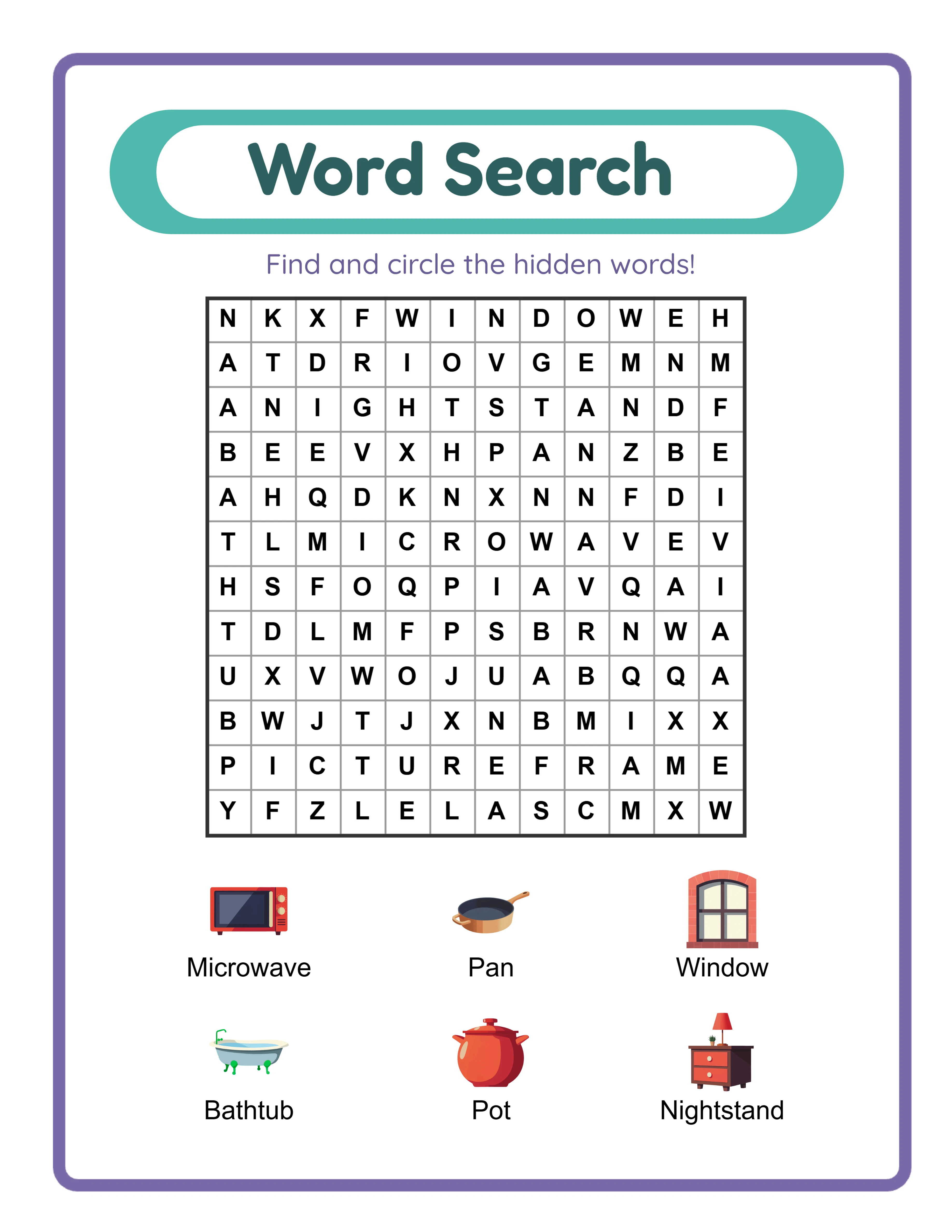
Flat-lay photography is the foundation of printable product content. Print your worksheets and arrange them on an attractive surface with complementary props: colored pencils, crayons, a cup of coffee, small themed toys that match the worksheet topic, or seasonal decorations that create context. Use natural lighting from a window (avoid overhead fluorescent lighting that creates harsh shadows) and shoot from directly above for clean, professional results. A simple, uncluttered composition with 2-3 worksheets and a few props outperforms a cluttered arrangement with too many elements competing for attention.
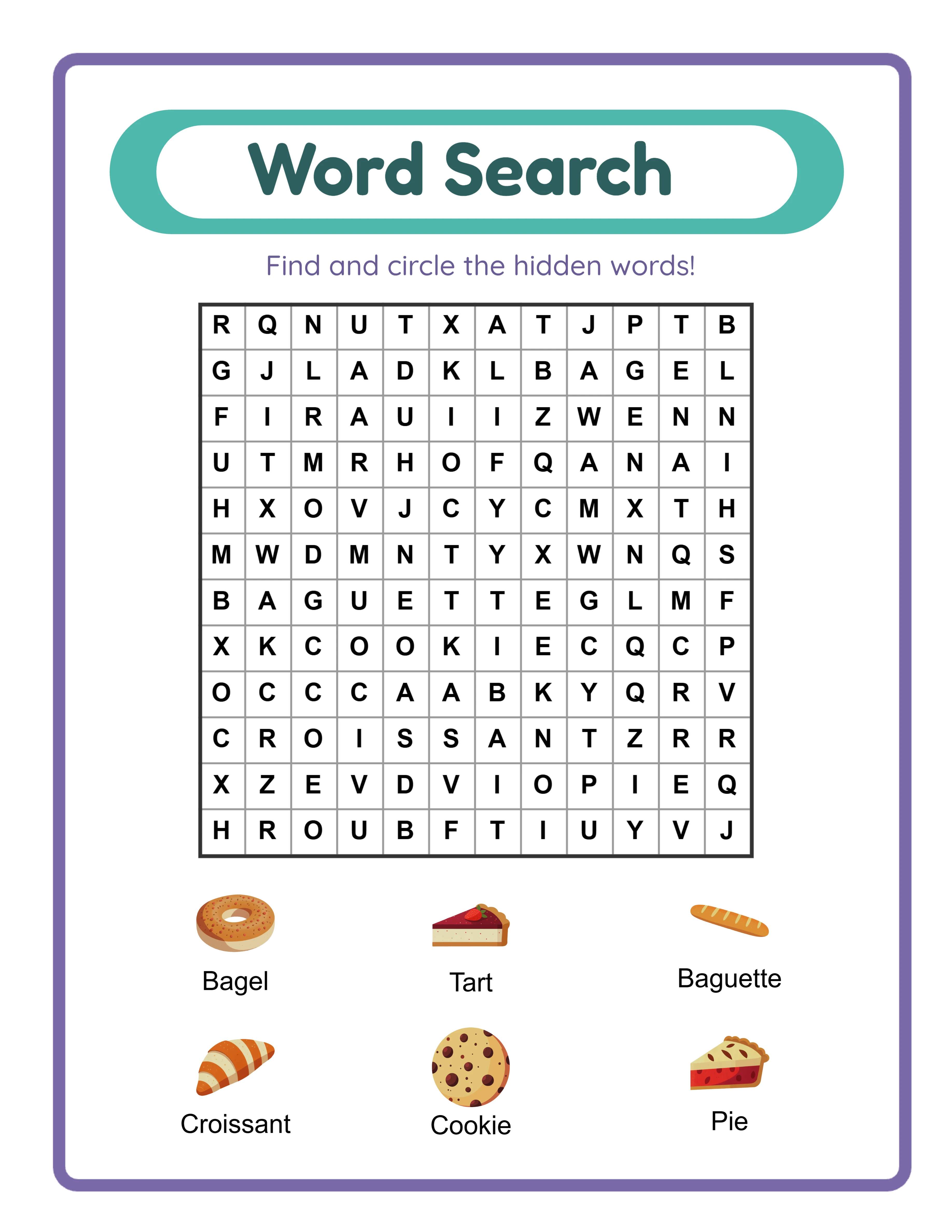
Process videos are uniquely powerful content for printable sellers because they showcase both the product quality and the professional production capability behind your brand. A 15-to-30-second time-lapse showing a worksheet generator creating a themed activity pack demonstrates the speed, variety, and professional quality of your products in a format that Instagram Reels and Stories algorithms actively promote. Pair the video with a caption explaining the customization options available — themes, difficulty levels, languages — and include a call to action directing viewers to try any generator as a free trial with watermark.
Carousel posts allow you to showcase multiple pages, variations, or use cases of a single product in a swipeable format that Instagram's algorithm favors (carousel posts typically receive higher engagement than single-image posts). Show the cover page, sample worksheet pages, the answer key, and a styled in-use photo across 5-7 slides. Each slide should be visually consistent with your brand colors and typography, creating a professional, cohesive impression that builds credibility with potential buyers.
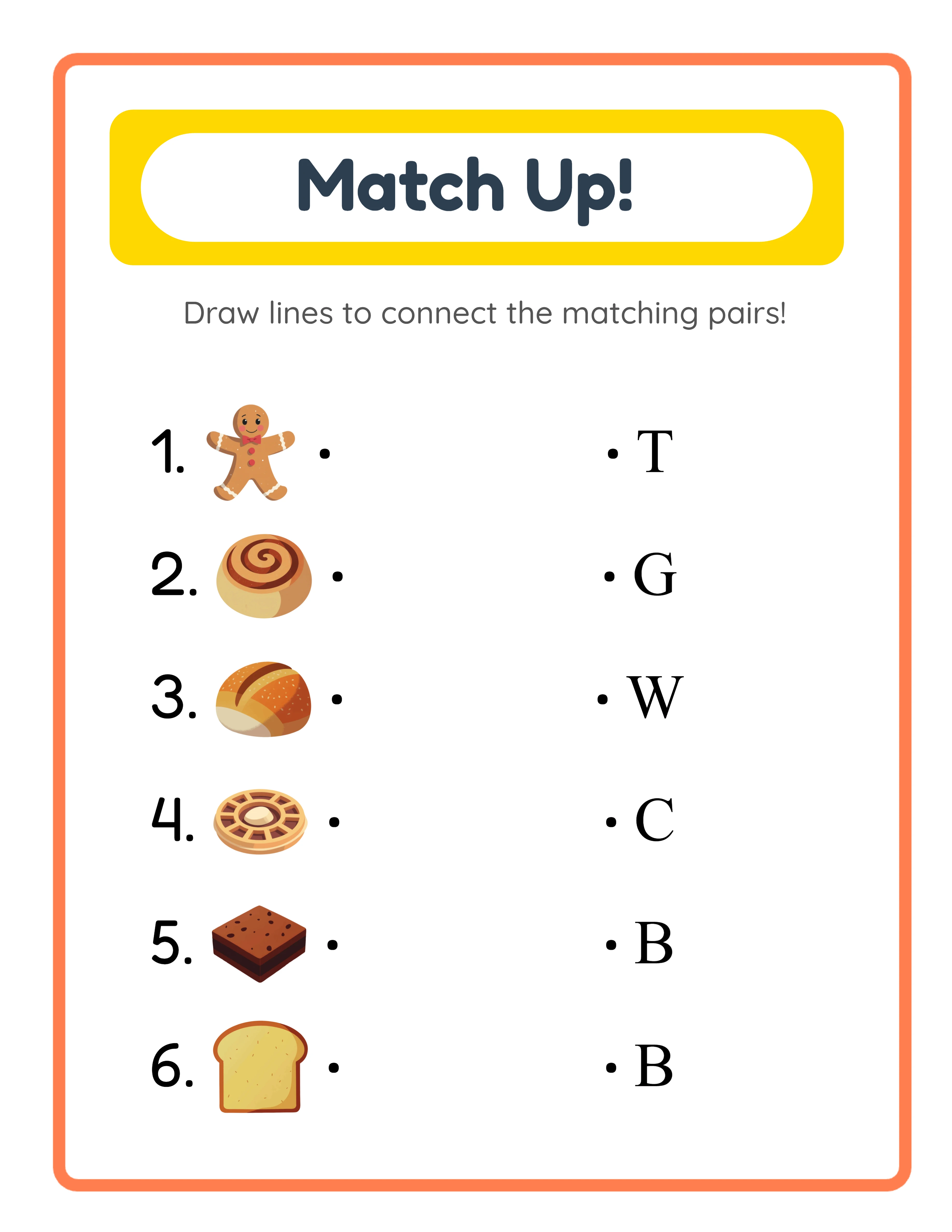
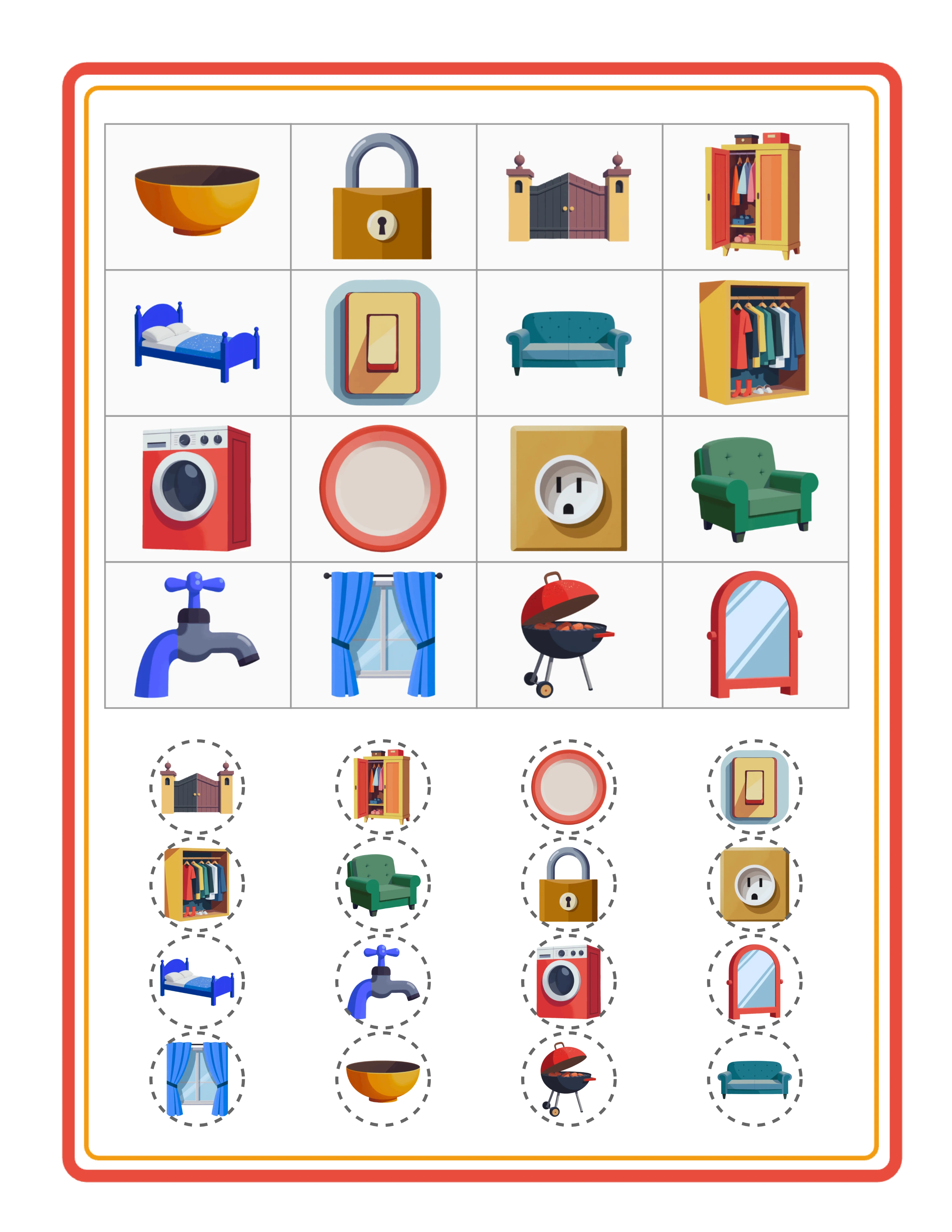
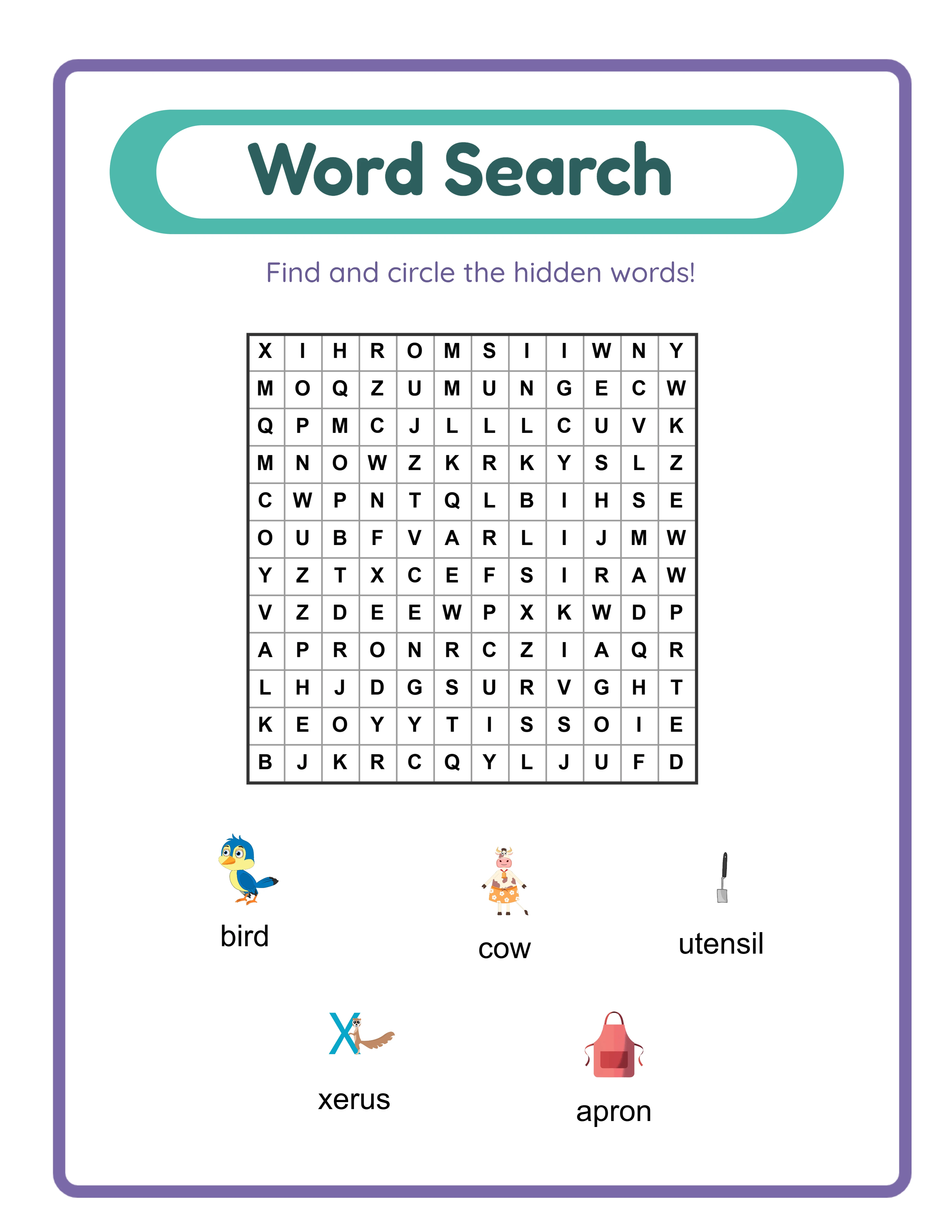
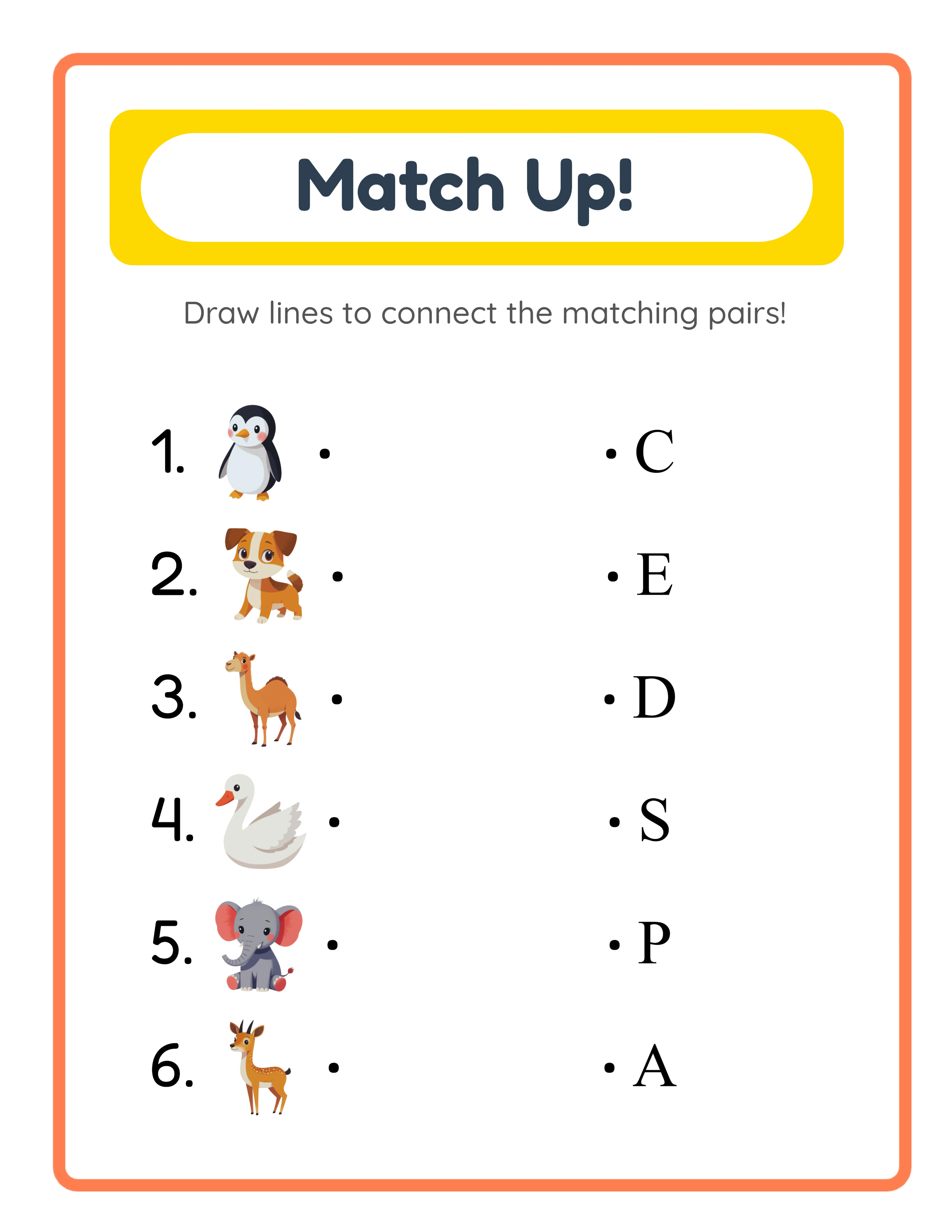
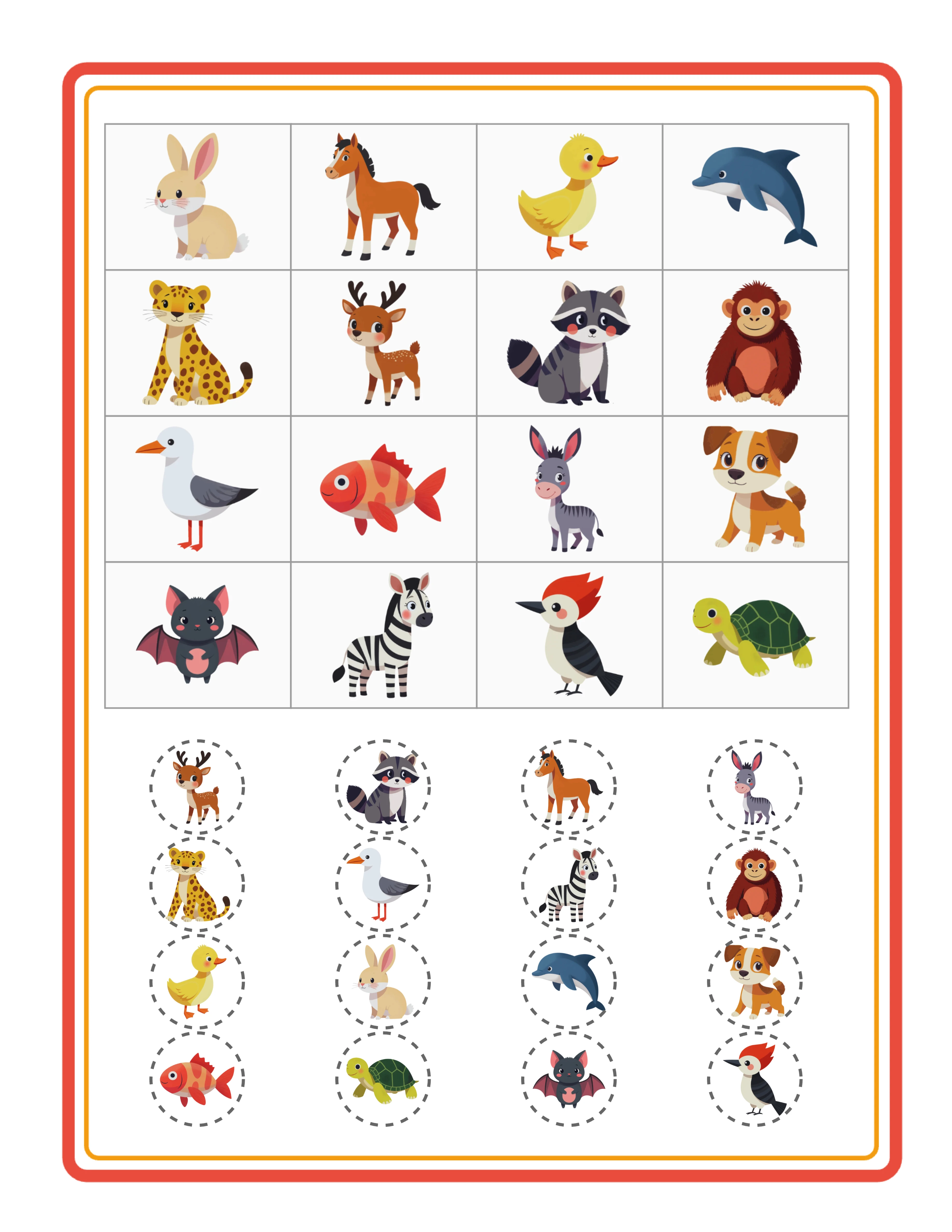
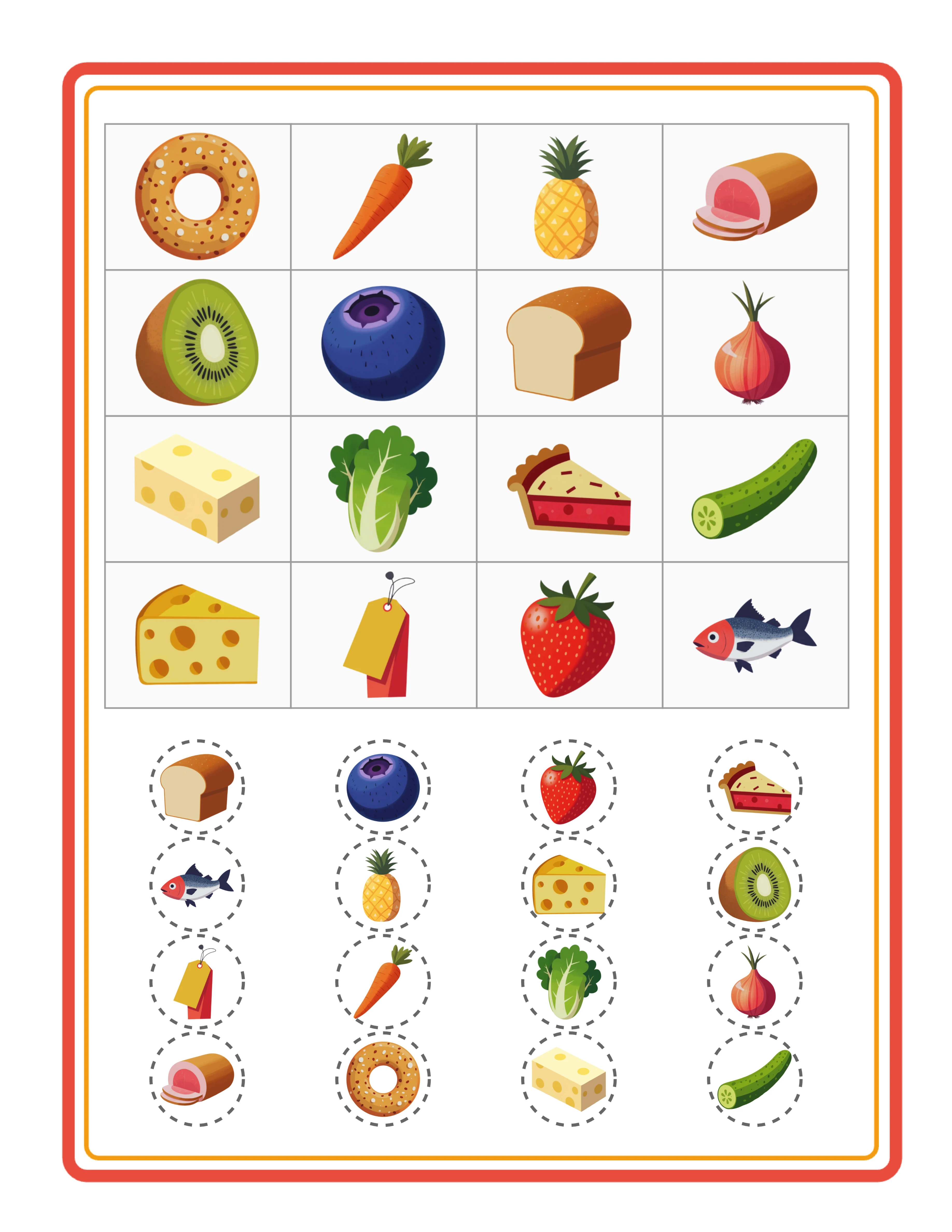
Create content that demonstrates product variety and catalog depth. A grid of 9 different themed bingo cards, a side-by-side comparison of the same worksheet in 3 languages, or a collection showing one product type across 6 seasonal themes communicates catalog breadth instantly. Potential buyers who see a diverse, professional catalog are more likely to visit your shop and browse multiple listings than buyers who see a single product in isolation.
3
Develop a Content Mix That Balances Promotion and Value
The fastest way to kill your social media growth is posting nothing but product links. Constant promotional content drives followers away, suppresses algorithmic distribution, and positions your account as a sales channel rather than a valuable resource worth following. The opposite extreme — posting only educational tips and inspiration without ever showcasing products — builds an audience that views you as a content creator rather than a product seller, resulting in high follower counts with minimal shop traffic.
The effective content ratio for printable sellers is approximately 70% value content and 30% promotional content. Value content includes anything that helps, inspires, or entertains your target audience without directly selling. Educational tips for parents and homeschoolers (activity suggestions, learning strategies, organizational ideas), behind-the-scenes looks at your creation process, seasonal activity recommendations, printable usage suggestions, and learning environment or homeschool setup inspiration all qualify as value content. This content builds your audience, establishes your expertise, and creates the trust foundation that makes promotional content effective when you do share it.
Promotional content includes new product launches, bundle deals, seasonal collections, product demonstrations, and direct calls to action linking to your shop. When promotional posts are surrounded by genuinely helpful content, they feel like natural recommendations from a trusted source rather than intrusive advertisements. A follower who has received helpful activity suggestions, learning environment organization tips, and seasonal learning ideas from your account for weeks is receptive to a product post because they already associate your brand with value.
Behind-the-scenes content is a powerful hybrid category that simultaneously builds personal connection and subtly promotes your products. Showing your workspace setup, your product planning process, your printing and quality-checking workflow, or your research into seasonal themes humanizes your brand and demonstrates the care and professionalism behind your products. Followers feel invested in your business journey and become natural supporters and customers. A 60-second video of you generating a themed worksheet pack, checking print quality, and packaging it for a customer tells a story that is both engaging and promotional without feeling like a sales pitch.
Organize your content mix into a repeatable weekly structure. For example, on a three-posts-per-week Instagram schedule: Monday posts are educational tips or activity suggestions (value), Wednesday posts are behind-the-scenes or process content (hybrid), and Friday posts are product showcases or new release announcements (promotional). This structure ensures you never post three promotional pieces in a row and maintains the value-to-promotion ratio that sustains audience growth.
4
Build a Content Calendar Aligned with Selling Seasons
Printable product demand follows predictable seasonal cycles, and aligning your social media content with these cycles ensures your products are visible when buyers are actively searching. Posting a back-to-school worksheet showcase in October means you missed the buying window by two months. Sharing holiday-themed content on December 20th means most buyers have already purchased their holiday activity packs. Strategic timing requires planning your social content 6-8 weeks before each peak demand period.
The printable seller's seasonal calendar has four major demand peaks. Back-to-school season (peak purchases in August-September) requires social content beginning in late June or early July — start sharing learning environment setup ideas, organizational printables, and first-day activity suggestions. Holiday season (October through December) demands content starting in September — Halloween, Thanksgiving, and Christmas themed worksheets, activity bundles, and seasonal learning resources should appear in feeds well before the holidays arrive. New year and winter (January-February) brings demand for fresh learning resources, New Year's resolutions activities, and winter-themed content. Summer learning (May-July) attracts parents seeking supplemental activities — begin sharing summer worksheet ideas and activity pack suggestions in April.
Build a content calendar that maps specific post topics to specific dates, aligned with your product release schedule. If you plan to release a Halloween math worksheet pack in early October, your social content should tease the theme in September (behind-the-scenes creation content), showcase the finished product in early October (product launch content), and demonstrate use cases through mid-October (value content showing the worksheets in learning environment and home settings). Each product release should have a 3-4 post content arc: teaser, launch, demonstration, and reminder.
Plan evergreen content to fill gaps between seasonal peaks. Product type showcases (showing the variety of math worksheets, word searches, or coloring pages available), workflow tips, printable business advice, and customer use-case features work year-round and maintain your posting consistency during periods without strong seasonal hooks. Evergreen content also performs well on Pinterest, where it continues driving traffic regardless of season.
Create your content calendar one month in advance, mapping each post to a specific date with the content type (value, hybrid, promotional), topic, product tie-in (if any), and platform-specific notes. A written calendar prevents the daily decision fatigue of figuring out what to post and ensures your content follows a strategic arc rather than reacting to whatever feels urgent on any given day.
5
Optimize Your Social Media Profiles for Discovery and Conversion
Your social media profile is frequently the first impression a potential buyer has of your printable business, and a poorly optimized profile wastes the traffic that your content generates. A viewer who engages with your worksheet flat lay, visits your profile, and finds a vague bio with no link to your shop is a lost conversion opportunity. Every element of your profile should clearly communicate what you sell, who you serve, and how to purchase.
Craft a bio that immediately answers three questions: what do you sell, who is it for, and where can they buy it. Avoid abstract taglines or inspirational quotes in your bio space — every character should work toward conversion. A clear bio example: "Professional printable worksheets for parents, homeschoolers, and homeschoolers. Math, language, puzzles, and activities. Shop link below." This immediately tells visitors what they will find, confirms they are your target audience, and directs them to purchase.
Your profile link is the single most important conversion element on social media. Use a link-in-bio tool or a simple landing page that organizes links to your most important destinations: primary marketplace shop, current seasonal collection, newest product release, and email signup. Update the featured links monthly to reflect current seasonal priorities and new releases. A static link to your shop homepage is functional but less effective than a curated link page that highlights your best current offerings and guides visitors toward high-converting products.
Maintain visual consistency across all your social platforms with a recognizable profile photo or logo, consistent brand colors in your content, and a cohesive visual style that makes your posts immediately identifiable in a crowded feed. When a potential buyer discovers you on Instagram and later encounters your Pinterest pin, brand consistency creates recognition and trust. Inconsistent visual branding across platforms makes your business appear fragmented and unprofessional.
Optimize your profile name and username for search discovery within each platform. On Instagram, your display name is searchable — include relevant keywords like "Printable Worksheets" alongside your brand name. On Pinterest, your profile name, board names, and board descriptions all contribute to search visibility. On Facebook, your page description and about section influence how your business appears in search results. Treat your profile fields as SEO opportunities, not just identification labels.
6
Use Hashtags and Keywords Strategically for Organic Reach
Hashtags and keywords are the primary discovery mechanism on social media platforms, determining whether your content reaches only your existing followers or is surfaced to new potential buyers who have never seen your brand. Strategic hashtag use can multiply the reach of every post, while random or poorly chosen hashtags waste the discovery opportunity entirely.
Build a curated hashtag library organized into categories for efficient, strategic use across all posts. Product type hashtags describe what you sell: #printableworksheets, #mathworksheets, #coloringpages, #wordsearchpuzzle, #educationalprintables, #activitysheets. Audience hashtags target who buys your products: #buyerlife, #homeschoolmom, #kindergartenbuyer, #parentingresources, #learning environmentactivities. Seasonal hashtags align with demand cycles: #backtoschool, #summerlearning, #holidayactivities, #winterworksheets. Niche hashtags target specific communities: #etsyseller, #printableseller, #buyerspaybuyers, #homeschoolcurriculum.
Use 20-25 hashtags per Instagram post, mixing hashtag sizes for optimal reach distribution. Include 3-5 large hashtags (over 1 million posts) for broad exposure, 8-10 medium hashtags (100K to 1M posts) for competitive but achievable visibility, and 8-10 small or niche hashtags (under 100K posts) where your content can rank near the top and stay visible longer. Avoid using only large hashtags where your post is buried within seconds, and avoid using only tiny hashtags that nobody searches. The mix strategy provides both breadth and depth of discovery.
On Pinterest, keywords matter more than hashtags. Write keyword-rich pin descriptions that include the terms potential buyers would search: "printable addition worksheets for kindergarten with animal theme" rather than "cute math sheets." Name your Pinterest boards with searchable phrases: "Printable Math Worksheets for Kids" rather than "Math Fun." Pin descriptions should read naturally while incorporating 3-5 relevant keyword phrases that match how parents and homeschoolers search for educational resources.
Update your hashtag lists quarterly to reflect shifting trends, seasonal relevance, and new discovery opportunities. Track which hashtags drive the most profile visits and saves by reviewing Instagram Insights for individual posts. Remove hashtags that consistently underperform and test new ones. A maintained, data-informed hashtag strategy steadily improves your organic reach over time, while a static, set-and-forget hashtag list gradually loses effectiveness as platform trends evolve.
7
Engage Authentically to Build Community and Trust
Social media algorithms across all major platforms reward accounts that generate genuine engagement — meaningful comments, saves, shares, and direct messages. An account that posts content and disappears will always underperform an account that actively participates in conversations, responds to followers, and contributes to community discussions. For printable sellers, authentic engagement is particularly powerful because it builds the personal trust that drives purchase decisions in a market where buyers have hundreds of alternatives to choose from.
Respond to every comment on your posts within 24 hours, ideally within a few hours of posting. Comments are the strongest engagement signal to algorithms, and a post with active comment conversations receives significantly more distribution than a post with silent likes. Your responses do not need to be lengthy — a genuine thank you, a helpful follow-up suggestion, or an answer to a question demonstrates that a real person stands behind the brand. When followers see that you respond consistently, they are more likely to comment on future posts, creating a compounding engagement effect.
Join Facebook groups for sellers, homeschoolers, parents, and printable sellers, and contribute genuinely helpful responses without self-promoting in every interaction. Answer questions about teaching strategies, learning environment organization, and learning activities. Share your expertise on printable business operations when other sellers ask for advice. When someone specifically asks for worksheet recommendations or activity suggestions, a helpful response that naturally mentions your products is appropriate and welcomed. The key distinction is between being a helpful community member who also sells products and being a salesperson who pretends to be a community member. Groups quickly identify and reject the latter.
Share and celebrate user-generated content when customers post photos of your worksheets being used. A parent sharing a photo of their child working through your math worksheets, or a buyer showing your coloring pages displayed on a home setting wall, provides authentic social proof that no branded content can replicate. Repost this content (with permission) to your own feed, tag the original poster, and express genuine appreciation. This validates existing customers, encourages other buyers to share their experiences, and shows potential buyers that real people use and enjoy your products.
Engage with other creators and sellers in your niche by commenting meaningfully on their content, sharing posts you genuinely find valuable, and building reciprocal relationships. Social media is a community ecosystem, not a broadcast channel. Sellers who support other creators build networks that amplify their reach through genuine recommendations, collaboration opportunities, and cross-promotional partnerships. A collaborative mindset in your niche generates more long-term business growth than a competitive, isolated approach.
8
Track Results and Refine Your Social Media Strategy
Posting without tracking results is the social media equivalent of listing products without checking sales data — you are investing time with no feedback loop to guide improvement. Most printable sellers who describe social media as "not working" have never measured what is actually working and what is not. Without data, every posting decision is a guess, and strategies that waste time persist alongside strategies that drive sales because neither is identified.
Track three categories of metrics for a complete picture of your social media performance. Reach metrics (impressions, profile visits, follower growth rate) show how many people see your content. Engagement metrics (likes, comments, saves, shares, engagement rate per post) show how people respond to your content. Conversion metrics (link clicks, shop visits from social, sales attributed to social traffic) show whether social activity translates into business results. All three categories matter, but conversion metrics are the ultimate measure of whether your social media time investment generates return.
Use each platform's built-in analytics to identify your highest-performing content types, posting times, and topics. Instagram Insights shows reach, engagement, and profile activity for each post. Pinterest Analytics shows pin impressions, clicks, and saves over time. Facebook Page Insights shows post reach and engagement metrics. Review these analytics weekly, noting which posts generated the most profile visits and link clicks — these are your highest-converting content types that deserve more of your posting schedule.
Correlate social media activity with shop traffic and sales to measure actual business impact. Note when you post a product showcase and check whether shop visits and sales increase in the following 24-48 hours. Track which product categories generate the most social media engagement and whether that engagement translates to proportional sales. Some content types generate high engagement (likes and comments) without driving purchases, while other content types generate moderate engagement but high click-through rates. Optimize for the latter when your goal is revenue, not vanity metrics.
Refine your strategy quarterly based on accumulated data. Double down on content types, posting times, and topics that consistently drive shop traffic and sales. Reduce or eliminate content categories that consume creation time without generating measurable business outcomes. A data-driven approach means your social media strategy improves with every quarter of operation — you spend less time on what does not work and more time on what does. A focused strategy on two platforms with proven, measured results outperforms scattered effort across five platforms with no tracking and no refinement.