Tutorial
1
Map the Annual Demand Cycle for Educational Printables
Understanding when buyers search for specific product types is the foundation of seasonal planning. The educational printable market follows a predictable annual cycle driven by school calendars, holidays, and parental planning patterns. Mapping this cycle for your specific product categories tells you exactly when to create, list, and promote each type of seasonal content.
The largest demand peak for educational printables is back-to-school season, which runs from early July through mid-September. Buyers begin purchasing learning resources in July as they plan their fall curriculum. Parents start buying grade-specific practice worksheets in August as the school year approaches. Homeschool families often begin their purchasing cycle even earlier, in June, as they plan their full-year curriculum. Products that perform strongest during this window include grade-level math and reading worksheets, learning management printables, first-day-of-school activities, and assessment tools. This single season can generate 25-35% of a printable seller's annual revenue.
The holiday season runs from late September through December, with distinct sub-peaks for each major holiday. Halloween demand begins building in late September and peaks in mid-October. Thanksgiving demand peaks in the first two weeks of November. Christmas and winter holiday demand builds throughout November and peaks in early-to-mid December. Each holiday drives demand for themed worksheets, activity packs, coloring pages, and educational games tied to the specific holiday. The combined holiday season typically accounts for 20-30% of annual printable revenue.
January and February bring a New Year fresh-start peak, with demand for goal-setting activities, organizational printables, and new-semester curriculum resources. Valentine's Day creates a brief but strong demand spike for themed worksheets and themed activity packs. March through May brings spring testing preparation demand (standardized test practice worksheets, review materials) and end-of-year celebration resources. Summer (June through August) drives demand from parents seeking learning-loss prevention worksheets, summer activity packs, and travel-friendly printables — overlapping with the early back-to-school cycle that begins in July.
Create a month-by-month demand map specific to your product categories. If you sell primarily math worksheets, note which math topics align with each grade level's typical curriculum timing. If you sell themed activity packs, map which themes align with which months. This demand map becomes the master reference document that drives every other seasonal planning decision.
2
Build a 12-Month Production Calendar Aligned With Demand Peaks
A production calendar translates your demand map into specific creation deadlines that ensure products are listed and indexed before peak demand arrives. The critical principle is lead time: products need to be live on marketplaces 6-8 weeks before the demand peak to allow for search indexing, initial sales accumulation, and algorithm ranking.
Work backwards from each demand peak to establish production deadlines. If back-to-school demand peaks in August, your back-to-school products need to be listed by mid-June at the latest. If Halloween demand peaks in mid-October, Halloween products should be live by late August. If Christmas demand peaks in early December, Christmas products need to be listed by early October. This backwards calculation reveals the true production timeline: you should be creating Halloween products in July, Christmas products in August, and back-to-school products for the following year in April or May.
Structure your production calendar into quarterly blocks, each focusing on the upcoming quarter's demand peaks while also including advance preparation for the quarter after that. In Q1 (January-March), create Valentine's products for immediate demand, spring testing prep materials for March-April demand, and begin planning summer and back-to-school products. In Q2 (April-June), create summer learning products, begin creating back-to-school resources, and plan holiday season themes. In Q3 (July-September), finalize back-to-school releases, create Halloween and Thanksgiving products, and begin Christmas product creation. In Q4 (October-December), release remaining holiday products, create January fresh-start resources, and plan the following year's seasonal calendar.
Allocate production time based on each season's revenue potential. If back-to-school generates 30% of your annual revenue, allocate proportionally more creation time to back-to-school products. If holiday-themed activity packs are your highest-margin products, prioritize holiday production even if it means producing fewer products for lower-demand periods. Not every season deserves equal production effort — focus resources on the peaks that generate the highest return.
Include buffer time in your production calendar for unexpected delays, marketplace processing times, and quality revisions. A product that misses its listing deadline by two weeks may miss half of its seasonal demand window. Building one-week buffers before each listing deadline provides insurance against production delays without significantly affecting your overall calendar.
3
Identify Seasonal Keywords and Optimize Listings for Seasonal Search
Each season brings distinct search patterns that require specific keyword optimization. Buyers do not search for "math worksheets" year-round with the same terms — they search for "back to school math worksheets" in August, "Halloween math activities" in October, and "summer math practice" in June. Capturing seasonal search traffic requires adjusting your listing keywords to match seasonal search behavior.
Research seasonal keyword patterns for each of your product categories using marketplace search tools and trend data. On Etsy, the search bar autocomplete suggestions change seasonally, revealing what buyers are actively searching for. Google Trends shows the timing and relative volume of seasonal search terms, helping you identify when specific keywords begin trending upward. Marketplace analytics tools show which keywords drive traffic during different months, providing data-driven guidance for seasonal optimization.
Update your listing titles, descriptions, and tags 4-6 weeks before each seasonal peak to incorporate seasonal keywords. A math worksheet listing might use the title "Addition Worksheets for First Grade" year-round, but adding "Back to School" to the title in June, "Halloween Themed" in August, or "Christmas Math" in October captures seasonal search traffic that the generic title misses. Create seasonal variations of your core product listings rather than constantly changing a single listing's keywords, which can disrupt established search ranking for evergreen terms.
Seasonal long-tail keywords are often less competitive than their evergreen counterparts, providing an opportunity for newer sellers to capture search visibility. "Halloween addition worksheets kindergarten" has less competition than "addition worksheets kindergarten" because fewer sellers optimize for seasonal-specific terms. Targeting these seasonal long-tail keywords in your listing tags and descriptions positions your products for high-intent seasonal searches where competition is reduced.
Maintain a keyword calendar that maps which seasonal terms to add and remove from your listings each month. This prevents the common mistake of leaving Halloween keywords active in December or back-to-school tags running in March. Outdated seasonal keywords do not directly harm your listings, but they waste valuable tag slots that could be used for currently relevant seasonal terms. A disciplined keyword rotation schedule ensures your listings are always optimized for the current and upcoming seasonal search patterns.
4
Create Seasonal Product Variations Using Existing Templates
Seasonal products do not require entirely new designs for each holiday or season. The most efficient approach is applying seasonal themes to your proven product formats, creating new listings with distinct seasonal search visibility while leveraging existing templates and workflows. A math worksheet template that works for your evergreen addition practice can be re-themed for Valentine hearts, Easter eggs, Halloween pumpkins, or Christmas snowflakes with minimal design effort per variation.
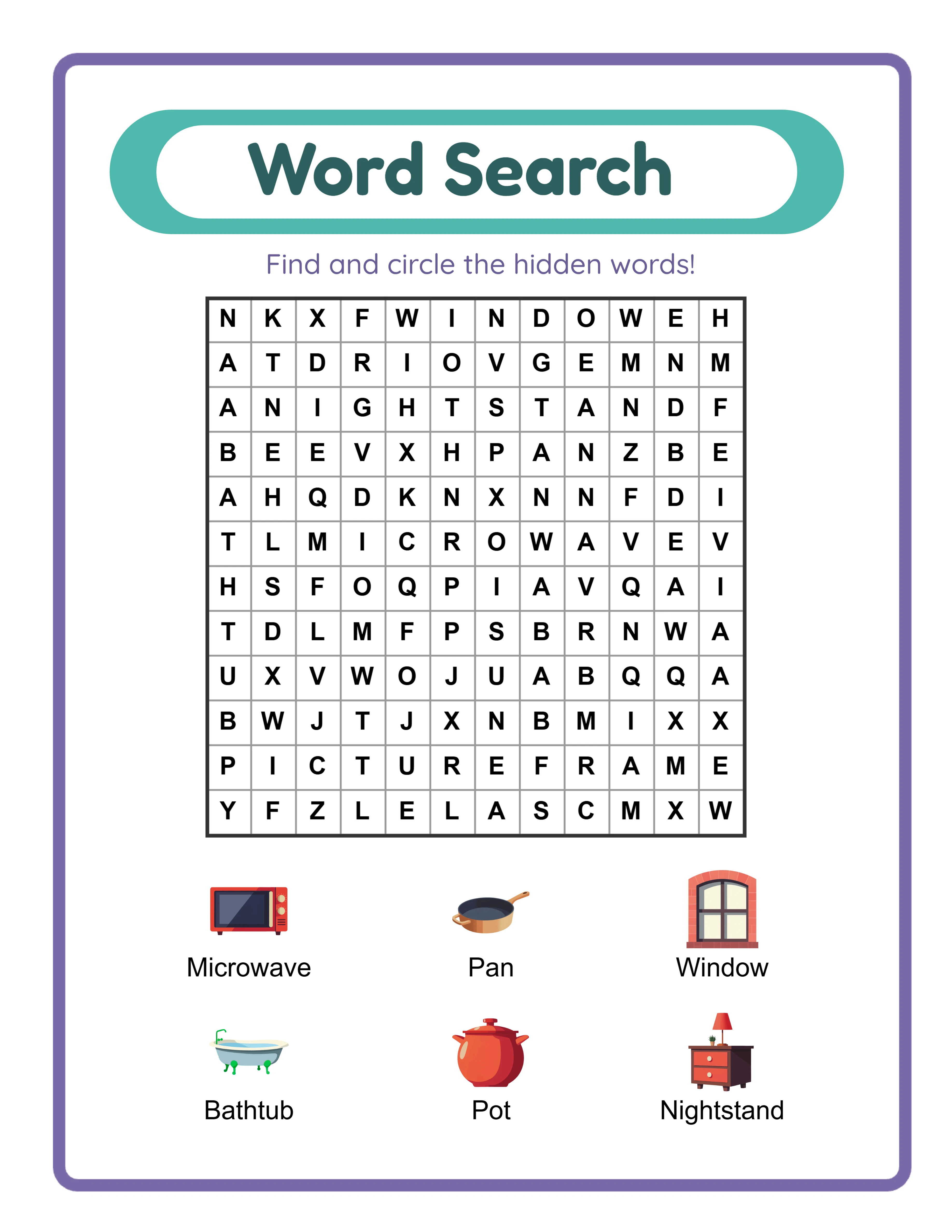
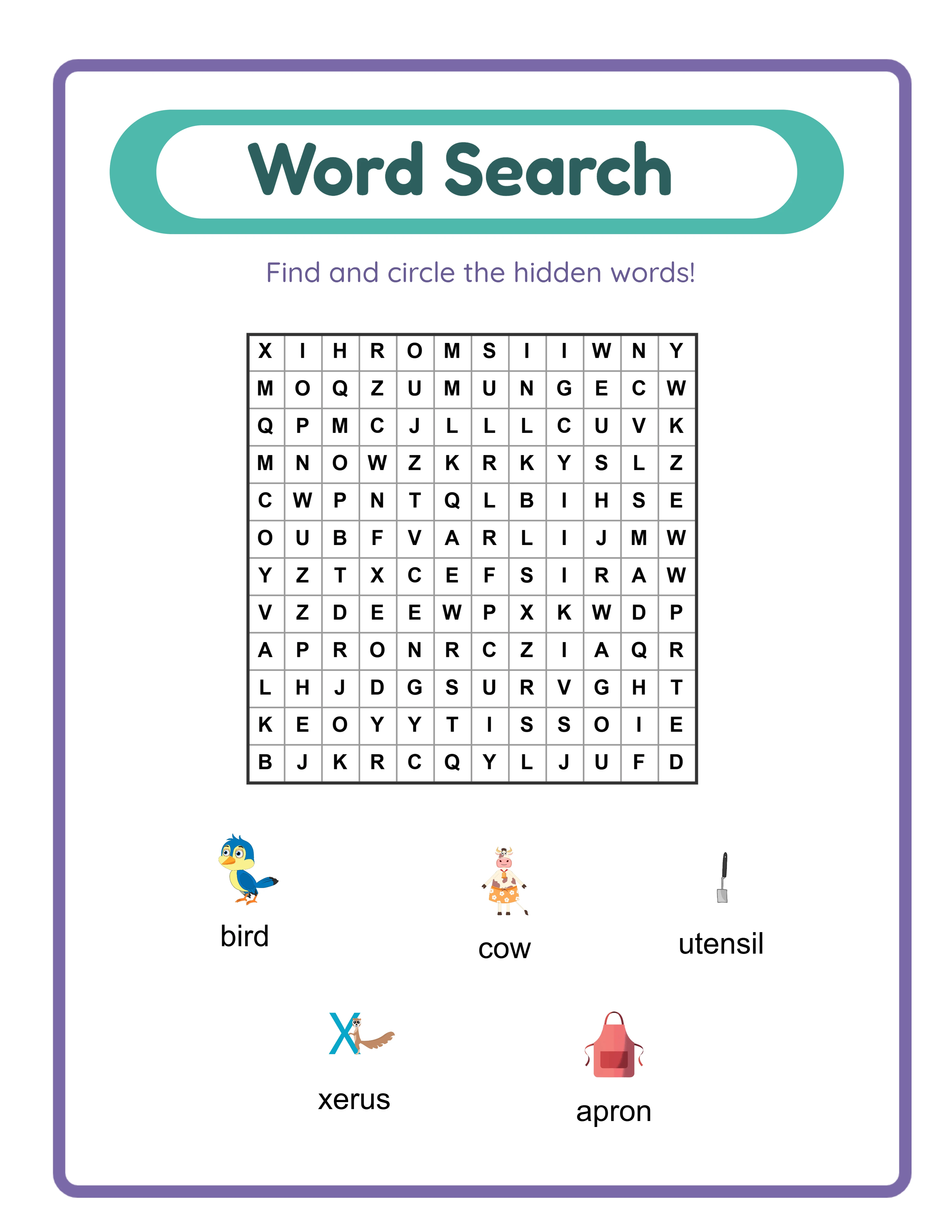
Worksheet generators make seasonal variation creation exceptionally efficient. Instead of designing each seasonal worksheet from scratch, you can use generators to apply different themes to the same educational content structure. A word search generator creates Halloween vocabulary puzzles, Christmas word searches, and spring-themed word finds using the same generation engine with different theme inputs. This approach produces professional, consistent seasonal products at a fraction of the time required for manual design. You can try any generator as a free trial with watermark to evaluate whether it fits your seasonal production workflow before purchasing a license.
Plan seasonal variations in batches rather than creating individual products one at a time. When you sit down to create Halloween products, create the full range of Halloween variations across all your product types in a single focused session: Halloween math worksheets, Halloween word searches, Halloween coloring pages, Halloween bingo cards, and Halloween activity bundles. Batch creation is faster because you stay in the same creative mode, use the same theme assets, and maintain visual consistency across the collection. A complete seasonal collection also cross-promotes within your shop — buyers who find your Halloween word search may browse and purchase your Halloween math worksheets from the same seasonal collection.
Not every product type needs a seasonal variation for every holiday. Analyze which seasonal themes align naturally with each product format and focus your variation efforts on high-potential combinations. Coloring pages adapt naturally to every holiday theme. Math worksheets work well with themed illustrations but the math content itself is season-independent. Word searches benefit from seasonal vocabulary lists. Activity packs and bingo cards align strongly with holiday party and party celebration contexts. Focus your seasonal variation efforts on the product-theme combinations that buyers specifically search for rather than forcing seasonal themes onto every product in your catalog.
Create a seasonal variation matrix that maps your product types against the major seasonal themes to identify which combinations to produce. This matrix reveals gaps in your seasonal catalog and helps prioritize creation efforts. If you have Halloween variations of 8 product types but Christmas variations of only 3, the matrix highlights where expanding your Christmas collection would capture additional seasonal demand.
5
Plan Seasonal Bundles and Collections for Higher-Value Sales
Seasonal bundles capture buyers who want comprehensive solutions for a specific holiday or season rather than individual worksheets. A buyer preparing for Halloween week wants a complete activity pack covering math, reading, vocabulary, and art — not five separate purchases from five different sellers. Seasonal bundles serve this need while generating significantly higher per-transaction revenue than individual product sales.
Structure seasonal bundles around common buyer use cases. A "Complete Halloween Activity Pack" might include themed math worksheets, a Halloween word search, a coloring page set, and a Halloween bingo game — everything a parent or homeschooler needs for a week of themed activities. A "Back-to-School Math Ready Bundle" could include assessment worksheets, practice pages for key skills, and a math fact review packet. The bundle should solve a complete seasonal need so the buyer does not need to shop elsewhere for additional pieces.
Price seasonal bundles at a premium compared to individual products while offering clear value versus buying each component separately. If the individual products in a bundle would cost $15-20 purchased separately, pricing the bundle at $10-12 provides obvious savings that motivate the bundle purchase over individual selection. The bundle price should feel like a significant discount while still generating higher revenue per transaction than your average individual product sale. Buyers perceive seasonal bundles as efficient seasonal preparation purchases rather than individual worksheet transactions.
Release seasonal bundles 4-6 weeks before the seasonal peak, following the same lead-time principle that applies to individual products. Early release allows the bundle listing to accumulate initial sales, reviews, and search ranking before peak demand arrives. Promote bundles through your email list and social media channels 2-3 weeks before the seasonal peak, emphasizing the convenience and value of purchasing a complete seasonal solution. The "everything you need for [season/holiday]" positioning resonates strongly with time-pressed parents and homeschoolers who value convenience.
Create bundle listings that showcase the full scope of included content. Use listing images that display all bundle components together, demonstrating the breadth and value of the collection. Include a clear contents list in the description specifying every item included, the page count, the grade or age range, and the educational objectives covered. Comprehensive bundle descriptions reduce buyer uncertainty and increase conversion rates, particularly for higher-priced bundle products where buyers want confirmation of value before purchasing.
6
Schedule Email and Social Media Campaigns Around Seasonal Peaks
Your marketing calendar should align directly with your production calendar, ensuring seasonal products receive promotional support during their optimal selling windows. Creating excellent seasonal products without marketing them during peak demand is like opening a store without telling anyone the address. The products may exist, but buyers cannot find them without promotional visibility.
Email marketing is your most direct promotional channel for seasonal campaigns because it reaches buyers who have already expressed interest in your products. Send seasonal campaign emails 2-3 weeks before peak demand, showcasing your seasonal collection with preview images, direct links to listings, and a clear message about the seasonal value your products provide. A well-timed email announcing your complete Halloween collection in late September reaches buyers during their planning and purchasing phase. Segment your email list by buyer interests when possible — a subscriber who previously purchased math worksheets is more receptive to a seasonal math bundle announcement than a generic seasonal blast.
Social media seasonal campaigns should begin 4-6 weeks before peak demand with teaser content that builds anticipation. Share behind-the-scenes content showing your seasonal product creation process. Post preview images of upcoming seasonal designs. Share seasonal educational tips and activity ideas that position your brand as a seasonal planning resource. As the peak approaches, shift from teaser content to direct product showcases with clear links and calls to action. The content arc should move from awareness to consideration to purchase as the seasonal buying window opens.
Create seasonal content in advance and schedule it using social media management tools so campaigns run automatically during peak periods. Batch-create 3-4 weeks of seasonal social content in a single focused session, then schedule posts to publish at optimal times throughout the seasonal window. This prevents the common problem of seasonal campaigns falling apart mid-season because the seller gets busy with order fulfillment and stops posting. Automated scheduling maintains consistent promotional presence even during your busiest selling periods.
Coordinate your marketing channels so they reinforce each other rather than operating independently. Announce seasonal collections via email, then share the same products on social media with different angles and content formats. Reference your social media content in email campaigns. Direct social media followers to your email list for exclusive seasonal previews. Each channel amplifies the others, creating multiple touchpoints that increase the likelihood of conversion during the compressed seasonal buying window.
7
Analyze Previous Year Performance to Refine Your Calendar
After each seasonal cycle, conduct a structured review that captures performance data and generates specific improvements for the following year. This year-over-year refinement process is the single most valuable element of seasonal planning because it replaces guesswork with historical data specific to your products, audience, and marketplace position.
Review four categories of seasonal performance data. First, product performance: which seasonal products generated the highest revenue, the most units sold, and the best profit margins? Which products underperformed relative to the effort invested in creating them? Second, timing performance: when did seasonal traffic begin, when did it peak, and when did it decline? Did your products launch early enough to capture the full demand window, or did you miss early-season buyers? Third, marketing performance: which promotional channels (email, social media, marketplace ads) drove the most seasonal traffic and conversions? Which campaigns generated the best return on time investment? Fourth, keyword performance: which seasonal search terms drove the most listing views and sales? Which keywords did you miss that competitors captured?
Document specific, actionable findings rather than vague observations. Instead of noting "Halloween went well," document "Halloween word searches generated $340 in October, outselling Halloween math worksheets by 3:1. Halloween products listed before September 15 generated 60% more revenue than products listed after September 15. The keyword 'Halloween learning activities' drove more traffic than 'Halloween worksheets' — update titles for next year." These specific findings translate directly into improved decisions for the following year's seasonal calendar.
Compare actual performance against your planned calendar to identify where planning was accurate and where it needs adjustment. Did you allocate the right amount of production time to each seasonal peak? Did your listing deadlines give products enough lead time for indexing? Did your marketing campaigns launch at the right time relative to demand? These comparisons reveal systematic improvements: if you consistently miss early-season demand, move all your production deadlines forward by two weeks. If certain seasonal themes consistently underperform, reduce your investment in those themes and redirect effort toward higher-performing seasons.
Maintain a seasonal performance archive that accumulates data across years. First-year seasonal data provides a baseline. Second-year data reveals whether your improvements are working. Third-year and beyond, your seasonal calendar becomes increasingly precise because it is built on multiple years of actual performance data rather than generic industry advice. This compounding data advantage is a significant competitive moat that newer sellers without historical records cannot replicate.
8
Maintain Evergreen Products Alongside Seasonal Releases
Seasonal products create revenue spikes during peak demand periods, but they generate minimal revenue during off-peak months. A catalog composed entirely of seasonal products produces feast-and-famine revenue cycles that make business planning difficult and financial stability uncertain. The solution is maintaining a balanced catalog with both seasonal products that capture peak demand and evergreen products that generate consistent baseline revenue throughout the year.
Evergreen products are resources that buyers need regardless of the time of year: basic math practice worksheets, phonics and reading comprehension exercises, handwriting practice pages, general vocabulary building activities, and skills-based learning resources that follow curriculum standards rather than calendar dates. These products generate steady, predictable monthly revenue because the demand for fundamental educational content exists in every month. A first-grade addition worksheet sells in January, April, August, and November because children practice addition year-round.
The ideal catalog ratio depends on your product categories and marketplace, but most successful printable sellers maintain approximately 60-70% evergreen products and 30-40% seasonal products. The evergreen majority provides financial stability and consistent shop traffic that supports search ranking across all your listings. The seasonal minority captures demand peaks that generate above-baseline revenue during key selling periods. This balance ensures you have products generating revenue every day while also being positioned to benefit from every major seasonal demand surge.
Use seasonal traffic to boost evergreen product visibility. Buyers who discover your shop through a seasonal product search often browse your other listings. If a buyer finds your Halloween math worksheets in October and visits your shop, they may also discover and purchase your evergreen addition worksheet pack for year-round use. Seasonal products serve as traffic-generating entry points that expose buyers to your full catalog, including evergreen products they would not have found through non-seasonal search alone. This cross-pollination effect means seasonal products contribute to evergreen revenue even after the seasonal demand window closes.
Schedule evergreen product creation during low-demand periods when seasonal production pressure is minimal. The post-holiday period (late December through early February) and the mid-spring window (March-April) are typically lower-demand periods when seasonal production requirements are lighter. Using these windows for evergreen product creation ensures your catalog grows steadily without competing with seasonal production deadlines. Over time, a growing evergreen catalog raises your baseline monthly revenue, reducing dependence on seasonal peaks for overall business profitability.